Pax Square Investment — Verified Supplier
About Pax Square Investment - Multi-Category Supplier in Tanzania
Pax Square Investment is based in Tanzania, East Africa, and currently lists five distinct agricultural and aquaculture products. The catalogue includes bee‑derived honey and wax, two varieties of coffee beans (Robusta and Arabica), fresh Hass avocado, and fresh or frozen tilapia fish. Each product is identified under the relevant HS‑code families used for international trade, such as HS 0409 for honey, HS 0901 for coffee, HS 0804 for avocado, and HS 0302 for tilapia. The supplier’s portfolio reflects Tanzania’s export strengths in both horticulture and fisheries.
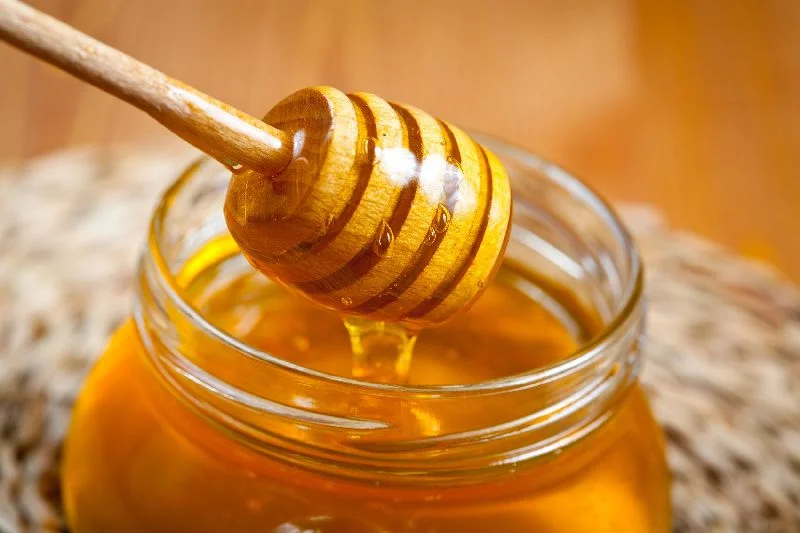
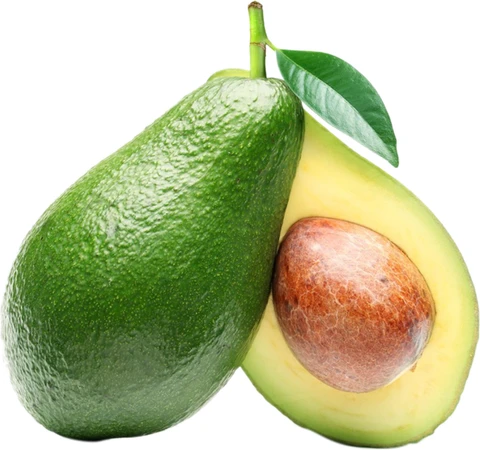
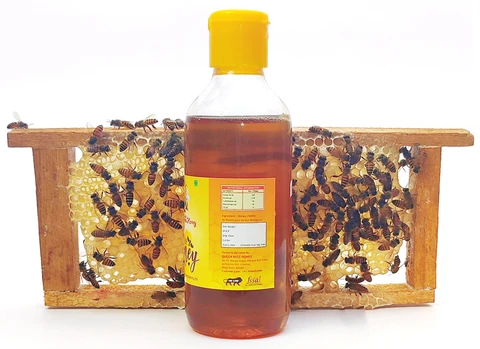
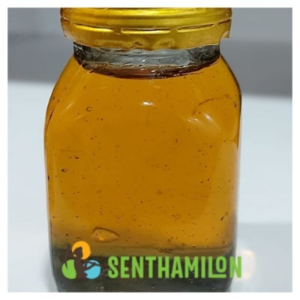
The honey entry is recorded as Bee Natural Honey without a specific HS code, which typically falls under HS 0409. Bee wax also appears under HS 0409. Coffee beans are listed as Coffee Beans (Robusta And Arabica) and are generally covered by HS 0901. Fresh avocados are described with the HS code 0804.40 and the material Fresh Hass Avocado (Persea americana). The tilapia offering is noted as Fresh/Frozen tilapia fishes, corresponding to HS 0302. These classifications help buyers align the products with customs and quality standards.
Product Range and Specialties of Pax Square Investment
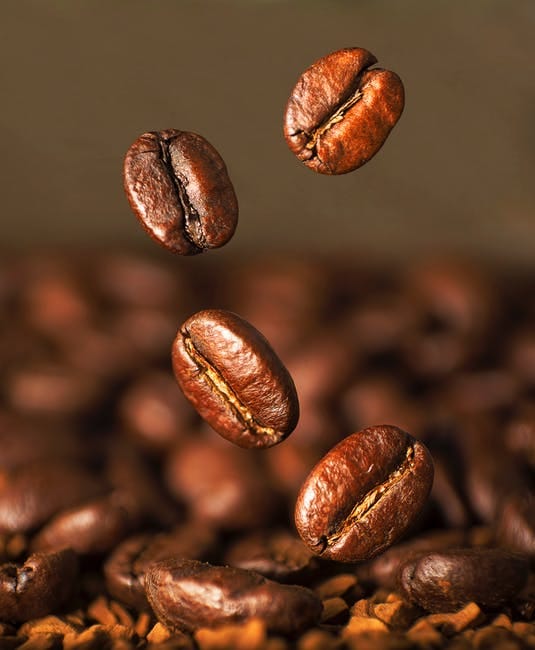
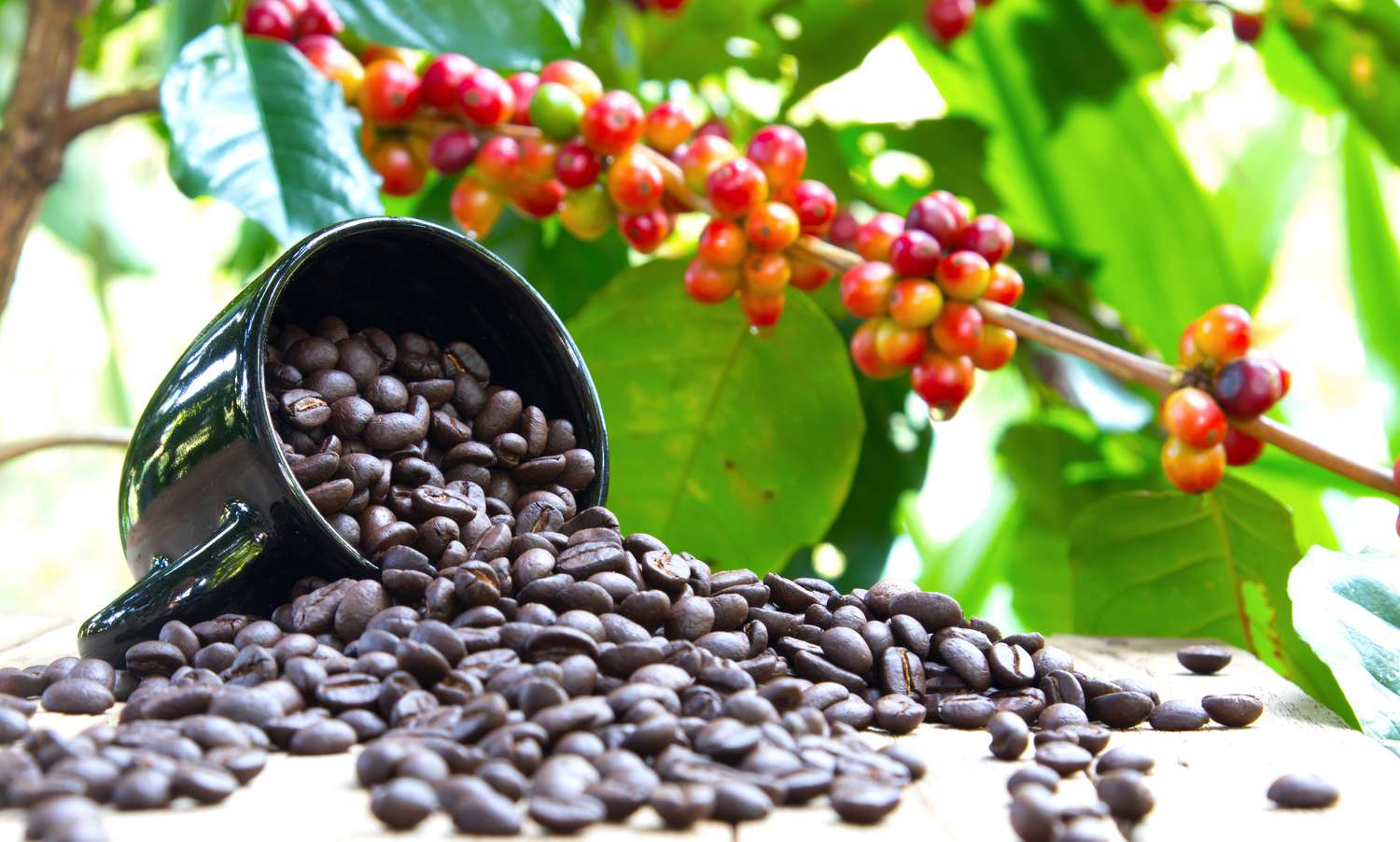
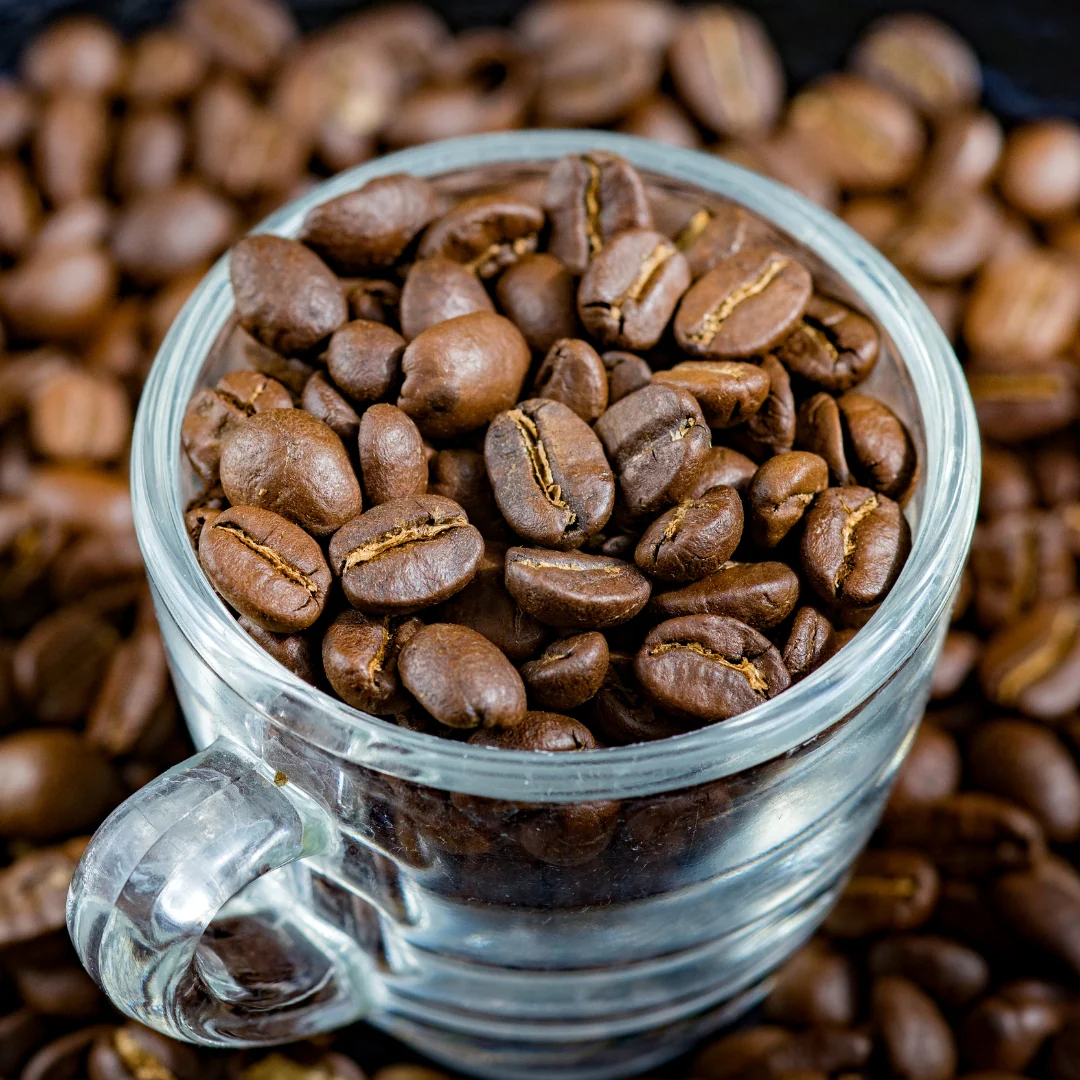
Honey from Tanzania is commonly graded by moisture content (typically ≤18 %), diastase activity and HMF levels, with premium grades adhering to Codex standards such as ICUMSA 45. Bee wax is usually supplied in blocks or pellets, featuring an iodine value of 80‑100 and free‑fat content above 99 %. Tanzanian coffee beans are exported in grades ranging from specialty (screen size ≥18 mm, moisture ≤12 %) to commercial, with Arabica often scoring 80 + points in SCA cupping. Hass avocados are harvested at a dry‑matter content of 22‑25 % and packed in 10 kg cartons for air‑freight, while tilapia are commonly supplied as whole frozen fillets weighing 1‑2 kg per piece, with a minimum flesh yield of 55 % and frozen at - 18 °C. All five product lines are prepared for bulk container loading, using palletised packaging for avocado and honey and insulated containers for frozen tilapia.
Trade and Export Information - Pax Square Investment
International buyers of Tanzanian honey, coffee, avocado and tilapia usually source from Europe, the Middle East and Asia, where the HS‑code families 0409, 0901, 0804 and 0302 are routinely processed. Importers often require ISO 22000 or HACCP certifications, along with commodity‑specific documents such as a phytosanitary certificate for avocado, a veterinary health certificate for tilapia, and a certificate of origin for coffee. Organic or Fairtrade labels are common for honey and coffee, while aflatoxin testing is standard for avocado pulp. Standard Incoterms include FOB Dar es Salaam or CIF to destination ports, with containerised shipping for dry goods and refrigerated containers (reefer) for frozen fish.
Tanzania’s agricultural export strategy emphasizes high‑value horticultural crops and fisheries, supported by government incentives for cold‑chain development. Export volumes for Hass avocado have risen steadily, driven by demand in the EU and GCC, while tilapia production benefits from the country’s freshwater lakes and coastal farms, targeting markets in Europe and the United States. Compliance with the EU’s pesticide residue limits and the U.S. FDA’s seafood safety rules is typical for these commodities. Logistics usually involve 20‑ft or 40‑ft containers, with avocado shipped in ventilated cartons and tilapia in insulated boxes with dry ice.
Sourcing from Pax Square Investment - Buyer Guidance
When evaluating Pax Square Investment’s honey or wax, buyers should request a recent laboratory analysis showing moisture, HMF, diastase activity and pollen count, as well as any organic or fair‑trade certificates. For coffee beans, a cupping score sheet, screen size distribution, moisture level and a phytosanitary certificate are standard pre‑shipment documents.
Avocado buyers need a phytosanitary certificate, pesticide residue test results complying with EU MRLs, and a packing list confirming 10 kg carton dimensions (≈ 0.5 m × 0.4 m × 0.3 m). Tilapia purchasers should ask for a veterinary health certificate, a frozen‑fish quality report (e.g., total volatile basic nitrogen), and confirmation of the - 18 °C storage chain. Typical minimum order quantities range from 500 kg for honey and coffee, 2 tonnes for avocado, and 1 tonne for frozen tilapia, with lead times of 30‑45 days after order confirmation, subject to seasonal harvest windows.
Frequently Asked Questions About Pax Square Investment
What product categories does Pax Square Investment offer?
The supplier lists five categories: natural bee honey, bee wax, Robusta and Arabica coffee beans, fresh Hass avocado (HS 0804.40) and fresh or frozen tilapia fish.
How can I obtain a sample of the honey?
Buyers can request a 5 kg sample, accompanied by a recent lab report showing moisture ≤18 % and HMF levels, and the supplier can ship it under FOB terms from Dar es Salaam.
Which certifications are commonly required for the coffee beans?
Importers typically ask for an ISO 22000 or HACCP certificate, a phytosanitary certificate, and a coffee cupping score sheet that details screen size and moisture content (≤12 %).
What are the standard packaging specifications for the avocados?
Avocados are packed in ventilated 10 kg cartons, each carton measuring roughly 0.5 m × 0.4 m × 0.3 m, and are loaded on Euro‑pallets for sea freight.
What documentation is needed for the tilapia shipment?
A veterinary health certificate, a frozen‑fish quality test (e.g., TVB‑N), and a certificate of origin are normally required before customs clearance.
What are the typical minimum order quantities (MOQ) for these products?
MOQs are generally 500 kg for honey and coffee, 2 tonnes for avocado, and 1 tonne for frozen tilapia, though the exact amount can be negotiated per shipment.
Which HS codes apply to the products listed?
The avocado is listed under HS 0804.40, while honey and wax fall under HS 0409, coffee beans under HS 0901, and tilapia under HS 0302; these codes are used for customs declarations worldwide.




 , Tanzania