Parana S.T. -HWK Commerce — Verified Supplier
About Parana S.T. -HWK Commerce - Sugar Supplier in Brazil
Brazil‑based Parana S.T. -HWK Commerce lists eight distinct product lines in its catalogue, covering both agricultural commodities and base metals. The catalogue groups the items under HS‑code families such as 1701 for refined beet sugar, 1201 for yellow soybeans, 1005 for yellow maize, 4403 for teak and pine timber, 8112 for high‑purity niobium, 2601 for iron ore, and 1602 for processed chicken and beef meats, reflecting a broad export portfolio from a single Brazilian source.
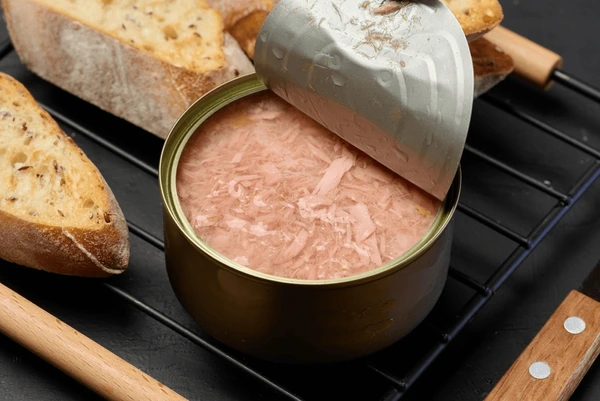
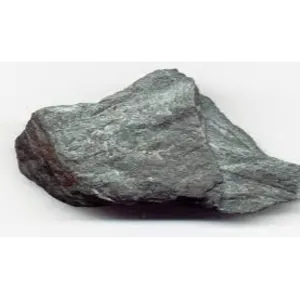
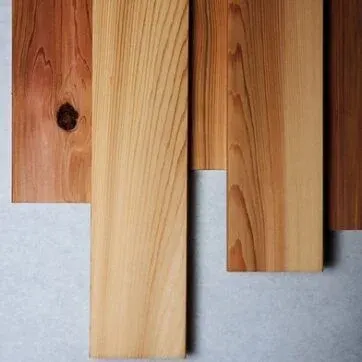
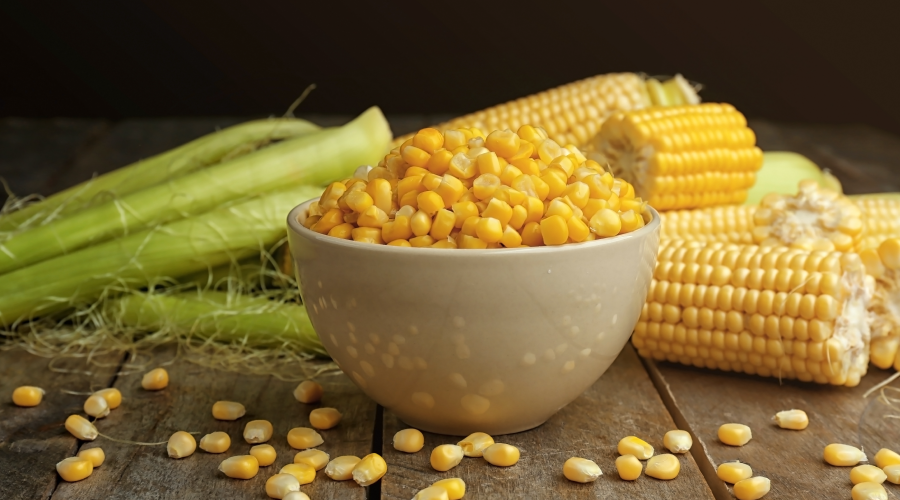
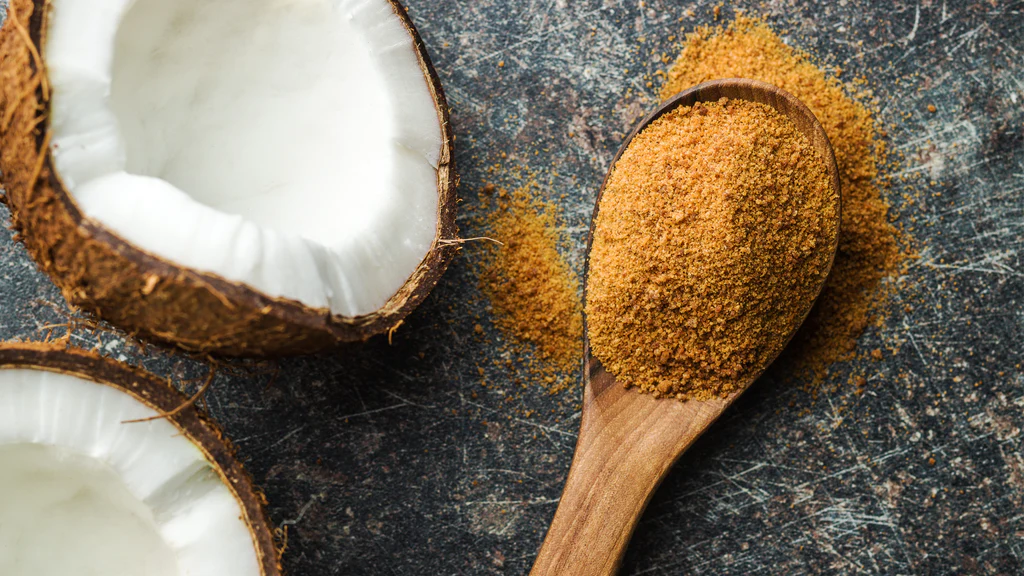
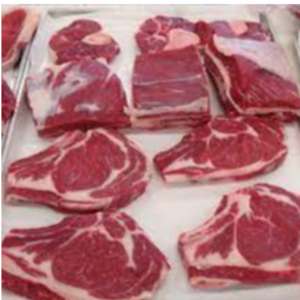
The supplier’s active listings include refined beet sugar (HS 1701.99) derived from both sugarcane and beet raw material, yellow soybeans (HS 1201.90) of Glycine max, yellow maize (HS 1005.90) of Zea mays, rough timber from teak (Tectona grandis) and Pinus species (HS 4403.11), niobium metal with 99.9‑99.99 % purity (HS 8112.92), iron ore containing at least 62 % Fe (HS 2601.11), cooked chicken meat with a minimum 50 % chicken content (HS 1602.32), and 100 % beef meat in natural broth (HS 1602.50). Each entry is identified by its specific HS code and material description as supplied.
Product Range and Specialties of Parana S.T. -HWK Commerce
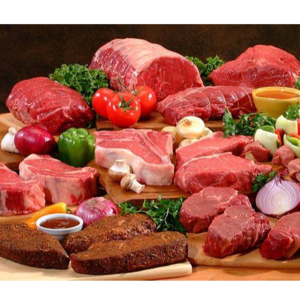
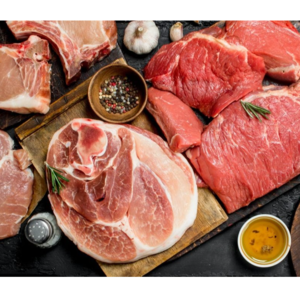
The product mix follows typical Brazilian export categories: refined beet sugar is commonly graded by ICUMSA numbers, with ICUMSA 45 representing the highest purity; soybeans are usually classified by protein content (40‑44 %) and moisture below 13 %; yellow maize is traded in 50 kg bags or bulk containers with moisture limits around 14 %; timber from teak and pine is measured in cubic meters, with a standard moisture content of 12‑15 % for export; niobium is sold in ingot form with purity grades of 99.9 % (commercial) and 99.99 % (high‑purity); iron ore is exported as lump or pellet with Fe 62 %+ and silica ≤ 5 %; processed chicken and beef meats are packaged in vacuum‑sealed trays or bulk frozen containers, with protein levels above 20 % and controlled ice‑crystal formation.
Buyers typically request certificates of analysis that confirm these specifications, along with material safety data sheets for the metal products and phytosanitary certificates for the agricultural goods. Standard trade documents include a Certificate of Origin, a commercial invoice, and a packing list that reference the HS codes listed above.
Trade and Export Information - Parana S.T. -HWK Commerce
Brazil is a global exporter of sugar, soybeans, corn, timber, niobium, iron ore and meat, supplying markets in the European Union, China, the United States and the Middle East. Export shipments for the listed HS‑code families are usually dispatched in 20‑ft or 40‑ft containers for sugar, soybeans, corn and timber, while bulk carriers are used for iron ore and niobium ingots; refrigerated containers (reefers) are required for chicken and beef meat to maintain temperatures below ‑18 °C. Importing countries often require ISO 9001 quality management certification, SPS (Sanitary and Phytosanitary) compliance for food items, and, where applicable, REACH or RoHS documentation for metal products. Brazilian exporters commonly obtain a free‑sale certificate for meat products and a mineral export license for iron ore and niobium, aligning with the customs procedures associated with HS 2601 and HS 8112.
Sourcing from Parana S.T. -HWK Commerce - Buyer Guidance
When sourcing from Parana S.T. -HWK Commerce, buyers should request a recent laboratory analysis that confirms ICUMSA grade for sugar, protein and moisture content for soybeans and corn, and purity certificates for niobium. For timber, buyers normally verify the dimensions, moisture content and species certification (e.g., FSC or PEFC) before confirming order quantities. Meat imports require a veterinary health certificate, a HACCP audit report, and proof of compliance with the importing country’s residual antibiotic limits. Typical minimum order quantities are 20 mt for bulk commodities such as iron ore, 5 mt for niobium, and 10 mt for sugar, with lead times ranging from 30 days for processed meats to 60‑90 days for timber and metals, depending on production scheduling and freight availability.
Frequently Asked Questions About Parana S.T. -HWK Commerce
What HS codes are used for the products offered by Parana S.T. -HWK Commerce?
The catalogue references HS 1701.99 for refined beet sugar, HS 1201.90 for yellow soybeans, HS 1005.90 for yellow maize, HS 4403.11 for teak and pine rough timber, HS 8112.92 for niobium metal, HS 2601.11 for iron ore, HS 1602.32 for cooked chicken meat, and HS 1602.50 for beef meat in natural broth.
Which quality specifications should a buyer verify for the sugar product?
Buyers should ask for the ICUMSA grade (typically 45 for premium refined beet sugar) and a certificate of analysis showing moisture below 0.04 % and ash content under 0.03 %.
What documentation is required for importing the meat products?
Importing the chicken and beef items generally requires a veterinary health certificate, a HACCP compliance report, and a Certificate of Origin that references HS 1602.32 or HS 1602.50.
How is niobium typically packaged for export?
Niobium is usually shipped as sealed metal ingots or rods in wooden crates or steel drums, with each crate accompanied by a purity certificate stating 99.9‑99.99 % Nb content.
What are the common moisture limits for the timber products?
Export timber from Brazil is commonly checked for a moisture content of 12‑15 % before loading, and buyers often request a moisture meter reading and a species verification report.
Which certifications are most frequently requested for the soybeans and corn?
Buyers typically request a phytosanitary certificate, a laboratory analysis confirming protein levels (40‑44 % for soybeans, 8‑10 % for corn) and moisture below 13‑14 %, and, when required, an ISO 9001 compliance statement from the supplier.




 , Brazil