Orgafit — Verified Supplier
About Orgafit - Fresh Vegetables Supplier in India
Orgafit operates from India and currently offers 30 active products. Its catalogue focuses on fresh vegetables, fruits and related agro‑products. The listed top categories include Fresh Vegetables, Fresh Onion, Fresh Green Chilli, Avocado, Fresh Cucumber, Fresh Lemon, Fresh Potato, Fresh Capsicum. The supplier also lists a range of fresh fruits such as banana, apple, berry, kiwi and tropical items, plus staple commodities like rice, sugar, whole and powdered spices, and grains & pulses. All items are presented without specific certifications in the supplied data.
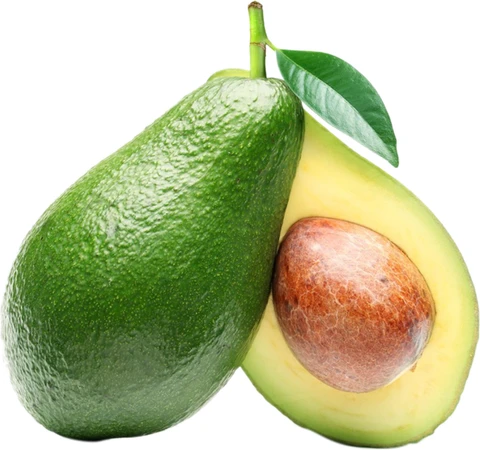
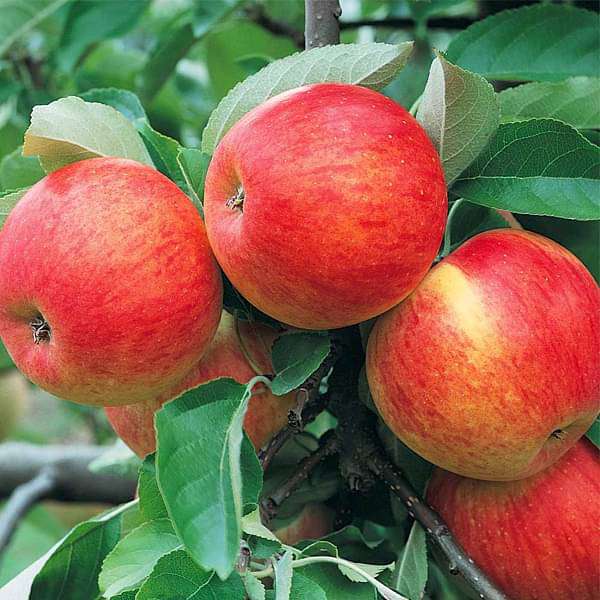
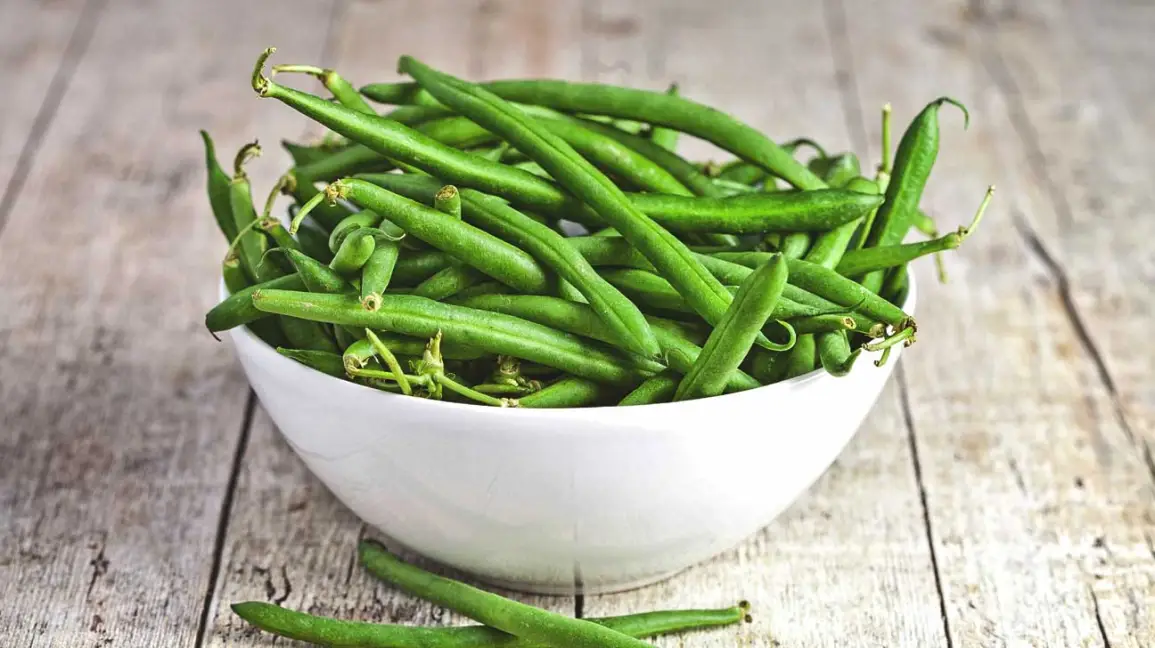
The product list contains individual entries for onion, green chilli, avocado (HS 0804.40, fresh Hass avocado), cucumber, lemon, potato, capsicum, tomato, celery, lettuce, carrots, okra, drumsticks, basil, banana (HS 0803.90, fresh Cavendish), semi husk coconut, orange, apple (HS 0808.10), kiwi, berry (HS 0810.90), chickoo, pineapple, mango, grapes, watermelon & muskmelon, rice, sugar, whole spices, powdered spices, and grains & pulses. The HS code families correspond to Chapter 07 for vegetables and Chapter 08 for fresh fruit, aligning with standard customs classifications for perishable agricultural goods.
Product Range and Specialties of Orgafit
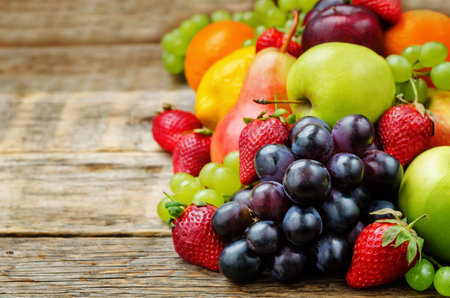
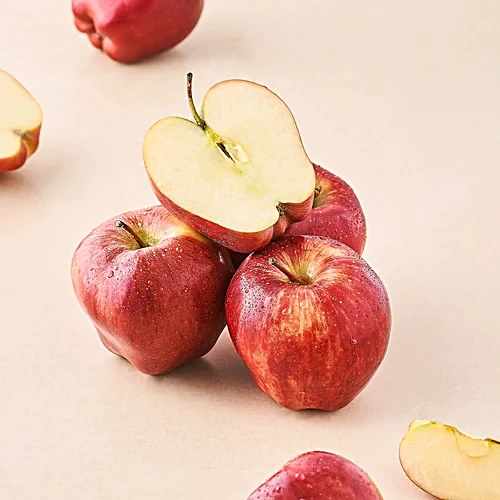
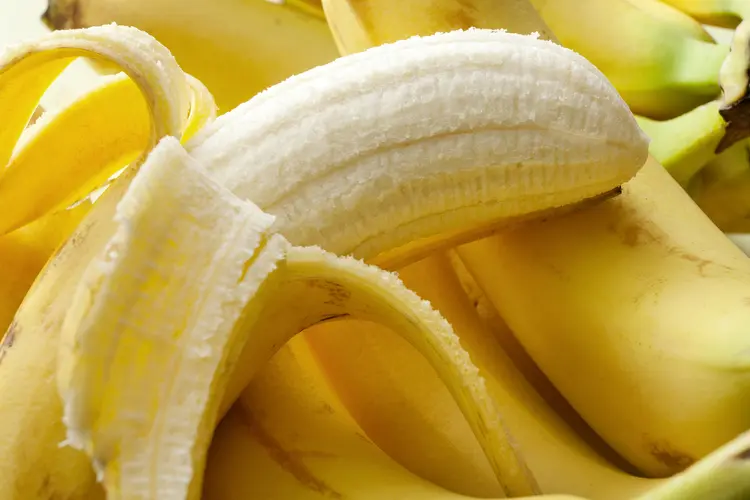
Orgafit’s vegetable line includes common market grades such as size‑graded onion (large, medium, small) with moisture content below 10 % and capsicum classified by color and firmness. Green chilli is typically supplied in 20 - 40 mm length with Scoville heat units recorded. Cucumber and lettuce are packed with a maximum moisture loss of 5 % and a shelf life of 7 - 10 days under refrigerated conditions. For fruits, avocado is usually graded by size (A, B, C) and pulp firmness, with the HS 0804.40 code covering fresh Hass avocado. Banana under HS 0803.90 is exported as G4‑G6 grade with a Brix range of 20‑22 %. Apple (HS 0808.10) follows the A‑grade standard with a minimum sugar content of 11 % and a maximum of 0.2 % bruising. Berry (HS 0810.90) includes mixed soft fruit typically meeting a 5 % moisture ceiling and a 4 °C cold chain.
Trade and Export Information - Orgafit
India is a major exporter of fresh vegetables and tropical fruits, shipping primarily to the Middle East, the United Arab Emirates, Saudi Arabia, the European Union, and Southeast Asian markets. HS Chapter 07 items such as onion and potato are commonly declared under codes 0701‑0705, while fruit items fall under Chapter 08 codes 0803‑0810. Buyers usually require phytosanitary certificates, GlobalGAP compliance, and where applicable ISO 22000 or HACCP audit reports to meet import regulations.
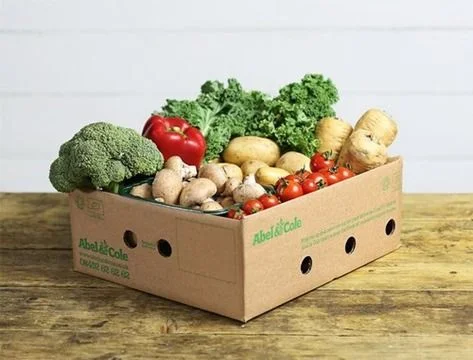
Logistically, perishable goods are packed in ventilated cartons or reusable crates and loaded into refrigerated containers (20‑ft or 40‑ft) maintained at 0‑4 °C for vegetables and 4‑8 °C for fruits like avocado and mango. Standard Incoterms such as FOB or CIF are used, with export documentation including commercial invoice, packing list, certificate of origin and phytosanitary certificate. Indian exporters often coordinate with port facilities in Mumbai or Chennai for container loading, aligning with seasonal harvest windows to ensure optimal freshness.
Sourcing from Orgafit - Buyer Guidance
When sourcing from Orgafit, buyers should request up‑to‑date phytosanitary certificates and verify any GlobalGAP or ISO 22000 certifications directly with the supplier. Sample testing should cover moisture content, pesticide residue limits (e.g., maximum residue limits set by EU or US FDA), and microbial counts such as total plate count below 10⁴ cfu/g for leafy vegetables. Confirm the packaging format (e.g., 20 kg cartons for onion, 5 kg crates for avocado) and the temperature control plan for the intended shipping route.
Buyers are advised to clarify the HS code applicable to each product to ensure correct duty assessment, especially for items with multiple classifications like capsicum (HS 0709) or mixed berries (HS 0810). Negotiating lead times should account for harvest cycles; peak Indian vegetable season runs from October to March, while mango and avocado peak from April to June. Establishing a clear payment term and obtaining a pre‑shipment inspection report can further mitigate risk.
Frequently Asked Questions About Orgafit
What fresh vegetables does Orgafit list in its catalogue?
Orgafit lists onion, green chilli, cucumber, lemon, potato, capsicum, tomato, celery, lettuce, carrots, okra, drumsticks, basil, and several fresh fruits such as avocado, banana, apple, berry, kiwi, mango, pineapple, grapes, watermelon & muskmelon, as well as rice, sugar, whole and powdered spices, and grains & pulses.
Which products have HS codes provided?
Avocado (HS 0804.40), Banana (HS 0803.90), Apple (HS 0808.10), and Berry (HS 0810.90) have HS codes listed; these fall under Chapter 08 for edible fruit.
What certifications are typically required for importing fresh produce from India?
Buyers usually request a phytosanitary certificate, compliance with GlobalGAP or organic certification where applicable, and evidence of ISO 22000 food safety management; Orgafit’s own certifications are not listed, so buyers should verify them directly.
What is the typical packaging for fresh vegetables and fruits?
Products are commonly packed in ventilated cardboard boxes or reusable crates, with humidity control packs for leafy items, and shipped in refrigerated containers (20‑ft or 40‑ft) maintained at 0‑4 °C for most vegetables and 4‑8 °C for fruits like avocado and mango.
What are common minimum order quantities and lead times?
Minimum order quantities vary by item; for bulk vegetables such as onion or potato, buyers often order 10 tons or more, while exotic fruits like avocado may start at 2 tons. Lead times from harvest to shipment typically range from 3 to 7 days, depending on seasonality and customs clearance.
How should a buyer request a sample?
Buyers should ask for a pre‑shipment sample sized according to the product’s standard pack (e.g., a 5 kg box of onion or a 2 kg crate of avocado) accompanied by a laboratory test report for moisture, pesticide residues, and microbial limits.
Which markets commonly import Indian fresh produce?
The Middle East, the United Arab Emirates, Saudi Arabia, the European Union, and Southeast Asian countries are major importers of Indian vegetables and fruits, often under HS codes in the 07‑08 chapters.
What documentation accompanies shipments?
Standard export documentation includes the commercial invoice, packing list, certificate of origin, phytosanitary certificate, and, where required, a fumigation or treatment certificate; buyers should confirm the need for any additional certificates such as HACCP audit reports.




 , India