Agriculture›
 Apparel and fashion accessories›
 Construction & real estate›💡Electronic & Electrical›🍎Food & Beverages›🛋️Home furnishing & supplies›⚗️Industrial goods & chemical›🪨Minerals & metals›📦Miscellaneous›Agriculture›Apparel and fashion accessories›Construction & real estate›💡Electronic & Electrical›🍎Food & Beverages›🛋️Home furnishing & supplies›⚗️Industrial goods & chemical›🪨Minerals & metals›📦Miscellaneous›
Nordosudo Representacoes Ltda
⚓ Harbor , BrazilNew supplier / no reviews yet
Nordosudo Representacoes Ltda Product Catalog


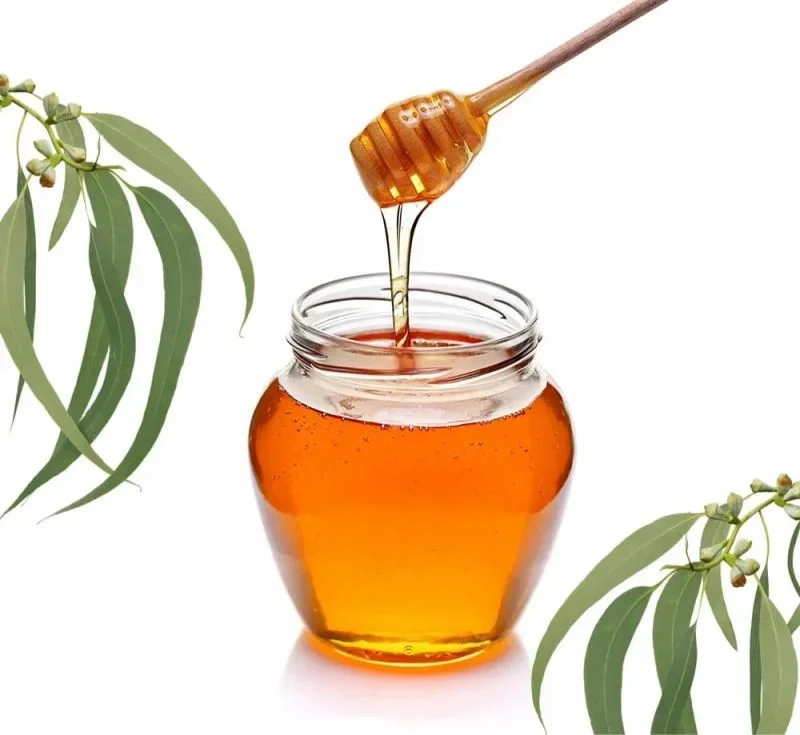
About Nordosudo Representacoes Ltda - Honey Supplier in Brazil
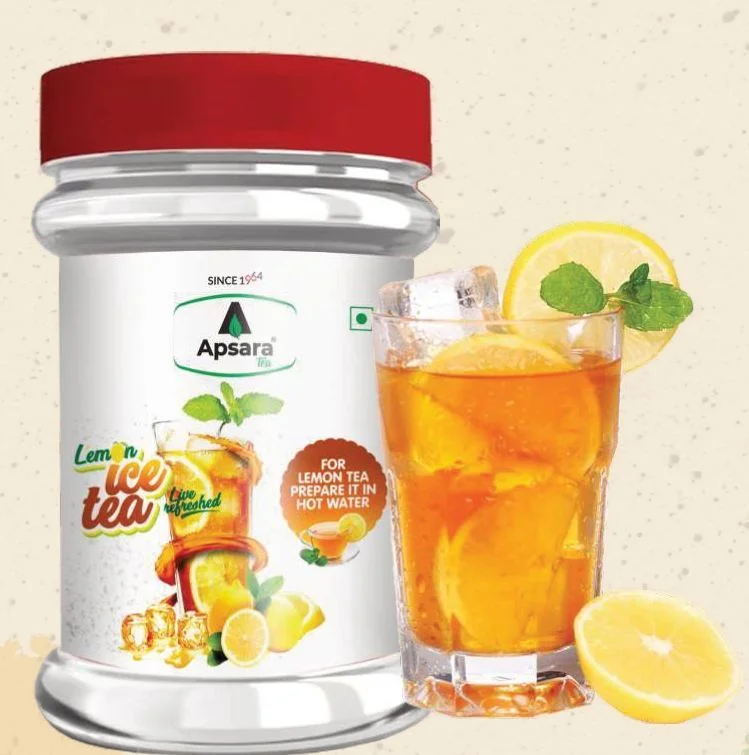
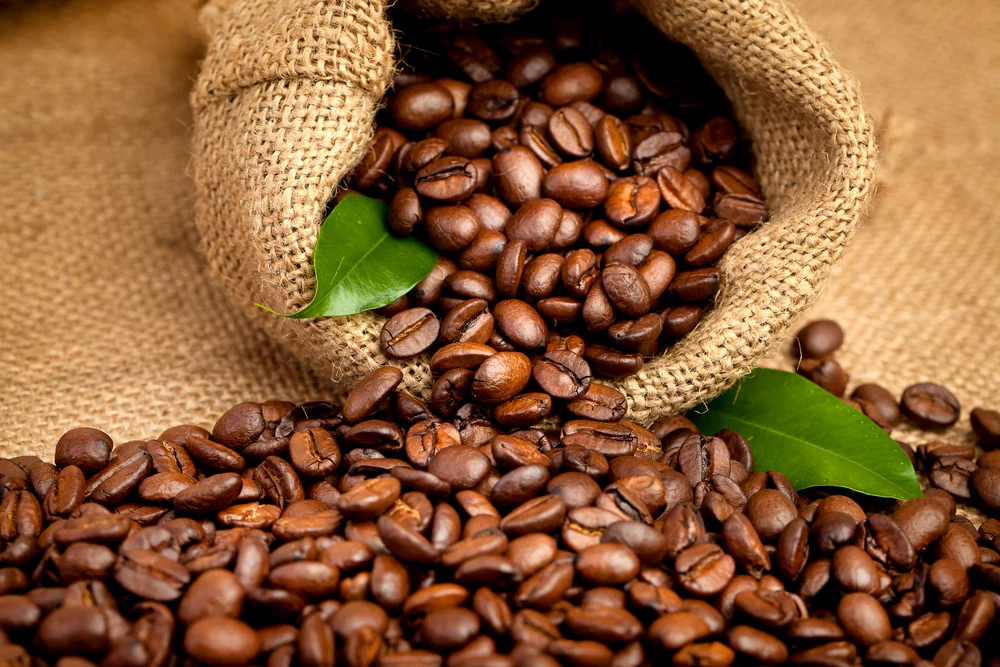
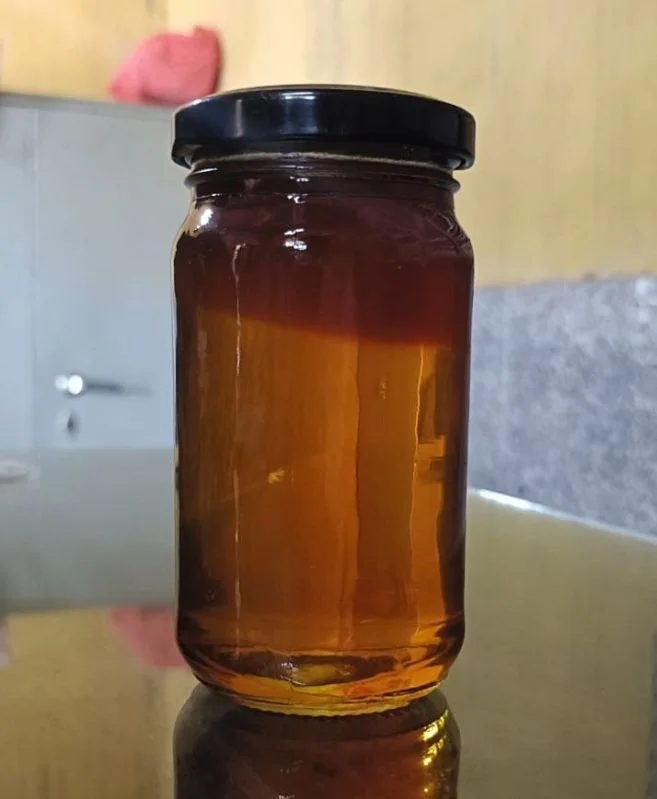
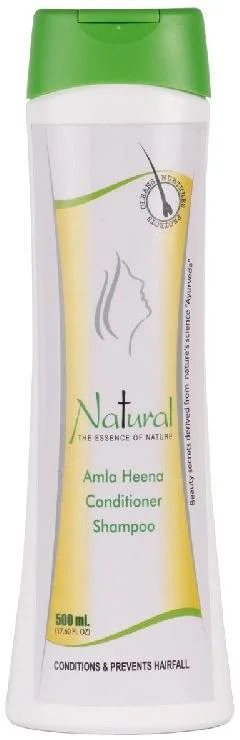
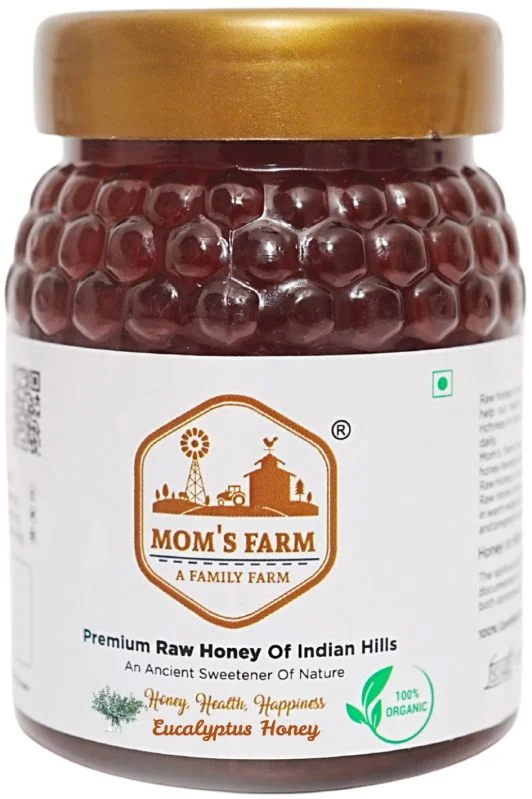
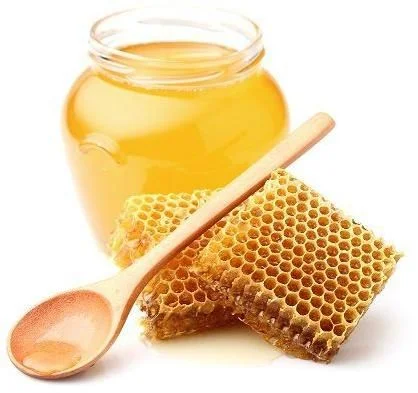
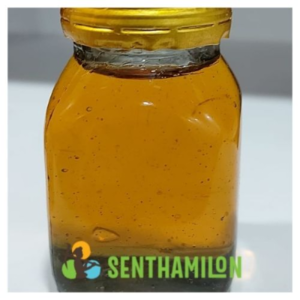
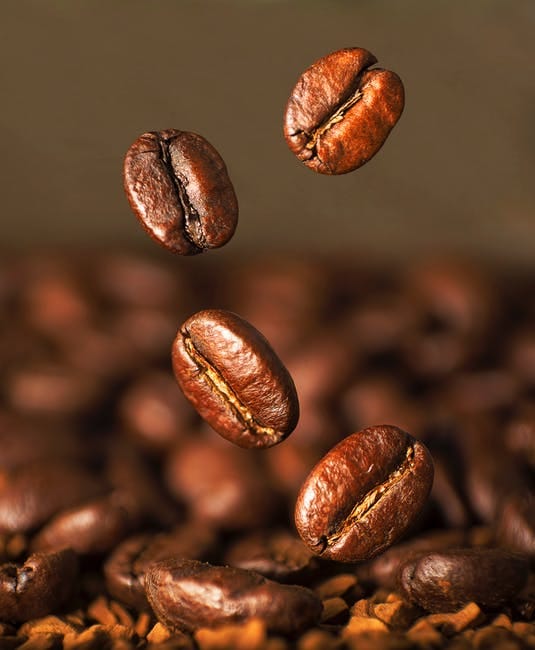
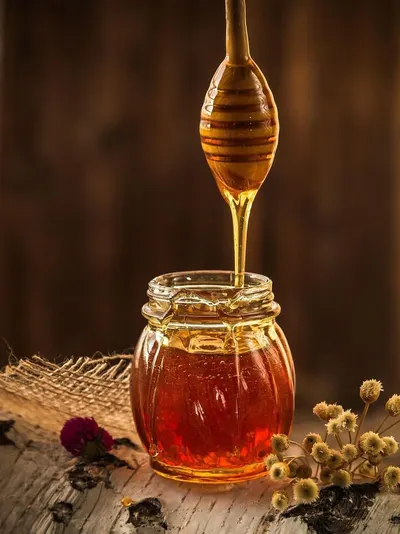
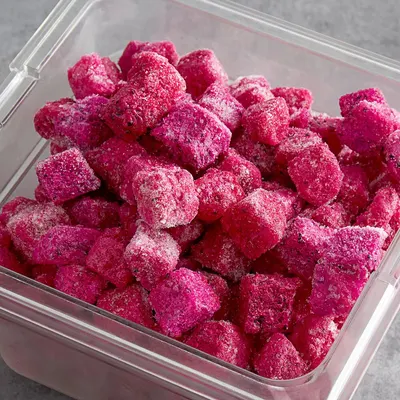
Brazil, represented by Nordosudo Representacoes Ltda, lists nine active products across food and personal‑care categories. The catalogue includes Arabica Coffee (green beans, HS 0901.11), various tea leaves (black, green, oolong blends, HS 0902.40), pure honey from Minas Gerais, Amazonia honey, frozen fruit pulp, propolis in raw and extract forms, a yerba‑mate blend, and a line of hair shampoo, conditioner and mask products. Each entry specifies the material where available, such as Coffea arabica beans for coffee and Camellia sinensis leaves for tea, and the honey items are described as 100 % pure. The remaining items are presented without HS codes but are part of the same nine‑product portfolio.
Product Range and Specialties of Nordosudo Representacoes Ltda
The supplier’s catalogue covers green Arabica coffee beans, multiple grades of Camellia sinensis tea leaves, two honey varieties, frozen fruit pulp, raw and extracted propolis, yerba‑mate leaves, and a personal‑care shampoo set. In the coffee trade, buyers typically expect moisture below 12 %, screen size 15/18, and specialty cup scores of 80 points or higher. Brazilian honey is usually evaluated for moisture under 20 % and diastase activity above 8 Schade units, with ICUMSA grades ranging from 45 to 70. Tea leaves from Brazil are commonly classified as BOP (Broken Orange Pekoe) or FANNING grades, with leaf size measured in millimetres and moisture around 4‑5 %. Fruit pulp destined for frozen export is often processed to 30‑35 % Brix and packed in 10 kg insulated boxes. Propolis extracts are typically 30 % ethanol extracts, while raw propolis is sold in bulk with purity verified by phenolic content. Shampoo, conditioner and mask formulations are usually packaged in 1 L PET bottles and must meet cosmetic safety standards such as ISO 22716.
Frequently Asked Questions About Nordosudo Representacoes Ltda
What HS codes are associated with the coffee and tea products listed by Nordosudo?
The Arabica coffee entry is linked to HS code 0901.11 for green coffee beans, while the tea assortment uses HS code 0902.40 for processed tea leaves.
Does the supplier provide certifications for its honey products?
The facts do not list any specific certifications. Buyers should request standard honey documentation such as a Certificate of Origin, a phytosanitary certificate, and any organic or quality‑grade certificates (e.g., ICUMSA) that are relevant to the target market.
What typical quality parameters should a buyer verify for the frozen fruit pulp?
Buyers normally check frozen pulp for Brix level (30‑35 %), total acidity, microbial count (e.g., total plate count <10 CFU/g), and packaging integrity. A recent lab report confirming these parameters should be obtained before purchase.
Are samples available for the propolis raw material and extract?
Suppliers of propolis generally provide small sample quantities (e.g., 100 g of raw propolis or 50 ml of extract) along with a Certificate of Analysis that details ethanol concentration, phenolic content and moisture.
What are the common packaging formats for the shampoo line?
Hair shampoo, conditioner and mask products are typically packaged in 1 L PET bottles or 250 ml travel‑size bottles, sealed with child‑resistant caps and labeled according to the EU Cosmetic Regulation.
BrazilRelated Suppliers & Products
Explore similar suppliers, related products and trending categories