Nanjing Biode Co., Ltd. — Supplier
About Nanjing Biode Co., Ltd. - Herbal Extracts Supplier in China
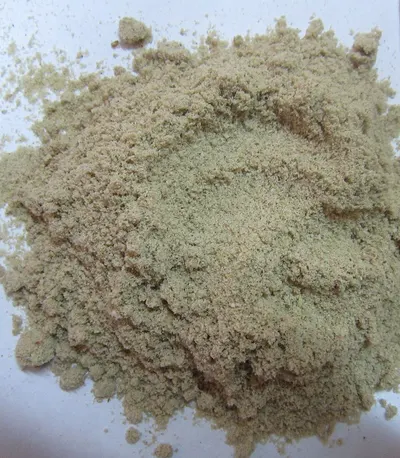
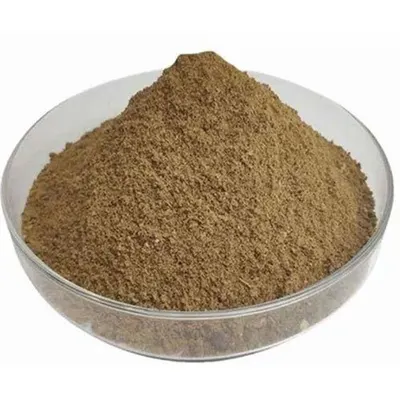
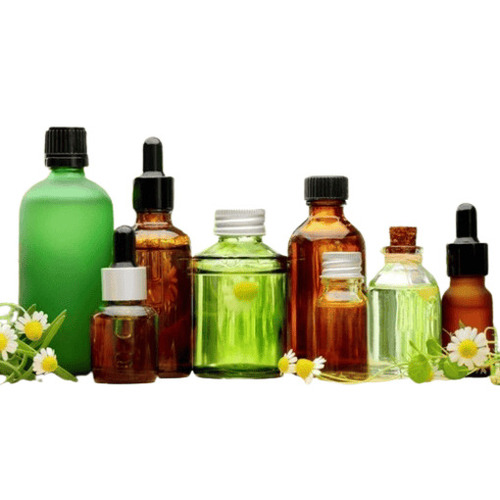
Based in China, Nanjing Biode Co., Ltd. currently lists five active products in its catalogue. The company classifies its offerings under the Food Chemicals and Herbal Extracts categories. Its product portfolio includes extracts derived from ginseng, American ginseng, rhodiola rosea, shiitake mushroom, and rhubarb. Each item is presented as a botanical extract intended for use in dietary supplements, functional foods, or nutraceutical formulations. The supplier is recorded as an imported tier with a harbor trust rating.
The listed extracts are typical plant‑derived concentrates that are processed into powdered or liquid forms. In international trade, such extracts are commonly coded under HS Chapter 29 (organic chemicals) or Chapter 30 (pharmaceutical preparations), although no specific HS codes are assigned in the supplier data. Buyers often require specifications such as active‑ingredient content, moisture level below 5 %, and microbial limits compliant with USP or EP standards. The catalogue does not specify any certifications held by the supplier, so purchasers should verify compliance with GMP, ISO 9001, or HACCP as appropriate. Export shipments from China usually employ 20‑ft or 40‑ft containers with inner packaging of sealed polyethylene bags or drums.
Product Range and Specialties of Nanjing Biode Co., Ltd.
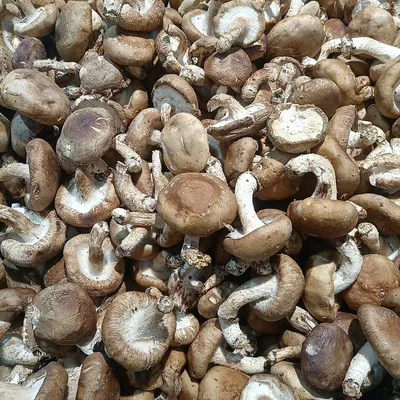
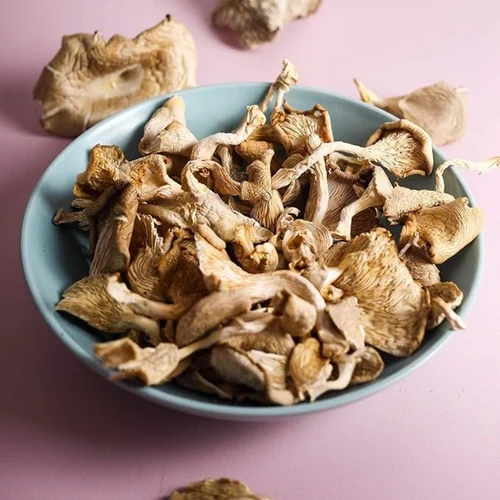
Nanjing Biode’s range covers five botanical extracts: Ginseng extract, American ginseng extract, Rhodiola rosea extract, Shiitake mushroom extract, and Rhubarb extract. In the herbal extract market, ginseng products are often standardized to 5 - 10 % ginsenosides, with purity levels of 95 % or higher. Rhodiola extracts are typically graded by rosavin content (3 - 5 %) and total phenolics, while shiitake mushroom extracts are measured for polysaccharide concentration (e.g., 30 % β‑glucan). Rhubarb extracts are usually evaluated for anthraquinone content and moisture below 4 %. Common material forms include fine powders with particle size 100 - 200 µm, packaged in moisture‑barrier bags.
Trade and Export Information - Nanjing Biode Co., Ltd.
China is a major exporter of herbal extracts, supplying North America, the European Union, and Southeast Asian markets. International buyers frequently request certificates such as GMP, ISO 9001, HACCP, and where applicable organic or Kosher certifications. HS Chapter 29 and 30 classifications dictate that shipments may be subject to phytosanitary inspection and require a phytosanitary certificate for certain plant materials. Standard logistics involve FCL shipments with CIF terms to ports such as Los Angeles, Rotterdam, or Singapore, using inner packaging of sealed multi‑layer bags placed in wooden crates or bulk drums. Export documentation typically includes commercial invoice, packing list, certificate of origin, and any requested analytical test reports.
Sourcing from Nanjing Biode Co., Ltd. - Buyer Guidance
Prospective buyers should request a full specification sheet for each extract, including active‑ingredient percentages, moisture content, microbial limits, and heavy‑metal analysis. A Certificate of Analysis (CoA) from an accredited laboratory and evidence of GMP or ISO compliance are standard documents to verify product quality. Minimum order quantities for powdered extracts often start at 200 kg per SKU, with lead times of 30 - 45 days after order confirmation. Samples of 100 g to 1 kg are commonly available upon request, allowing buyers to conduct their own stability and compatibility tests before placing a full order.
Frequently Asked Questions About Nanjing Biode Co., Ltd.
What types of herbal extracts does Nanjing Biode offer?
The catalogue lists five extracts: Ginseng, American ginseng, Rhodiola rosea, Shiitake mushroom, and Rhubarb, all supplied as powdered or liquid concentrates.
Are the extracts standardized for active constituents?
Standard practice in the industry is to standardize ginseng to 5 - 10 % ginsenosides, Rhodiola to 3 - 5 % rosavin, and shiitake to about 30 % β‑glucan. Buyers should confirm the specific standardization level on the supplier’s specification sheet.
Which certifications should a buyer request from this supplier?
Buyers typically ask for GMP, ISO 9001, HACCP, and any product‑specific certifications such as organic, Kosher, or Halal, together with a Certificate of Analysis for each batch.
What is the typical minimum order quantity for these extracts?
In the herbal extract market, minimum order quantities commonly start at 200 kg per SKU, though the exact MOQ may vary with the specific extract and packaging format.
What packaging formats are used for the extracts?
Extracts are usually packed in moisture‑barrier polyethylene bags, placed inside sealed cartons or bulk drums for FCL shipment.
Which Incoterms are most frequently used for shipments from China?
CIF (Cost, Insurance, Freight) to major ports such as Los Angeles, Rotterdam, or Singapore is a common term for these types of bulk botanical shipments.
How can a buyer obtain a sample before placing a full order?
Buyers can request a sample ranging from 100 g to 1 kg; the supplier typically provides a CoA with the sample so the buyer can evaluate purity, active‑ingredient content, and stability.
What documentation accompanies each export shipment?
Standard export documents include a commercial invoice, packing list, certificate of origin, phytosanitary certificate if required, and the batch CoA with analytical test results.




 , China