Mineral Resource Trading L.l.c — Supplier
About Mineral Resource Trading L.l.c - Mineral Supplier in United Arab Emirates
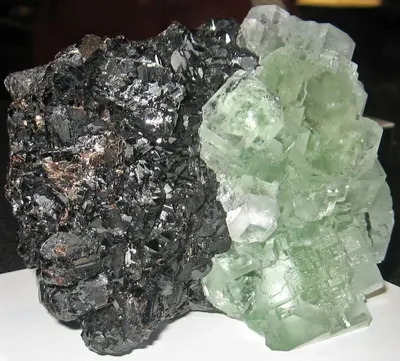
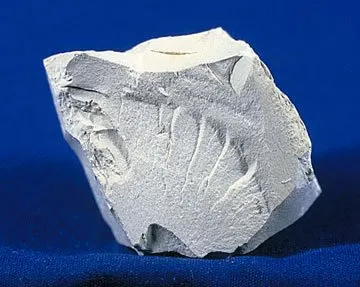
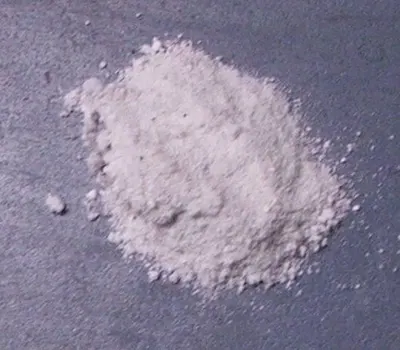
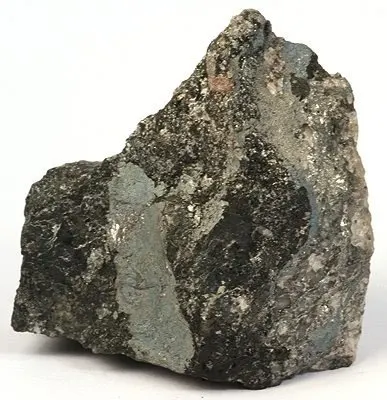
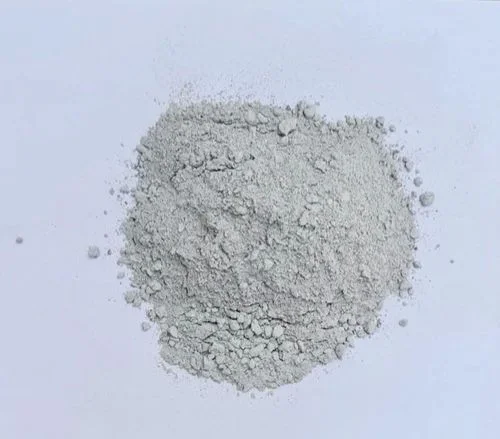
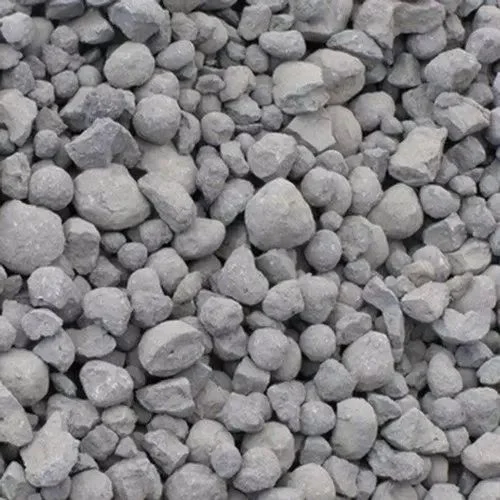
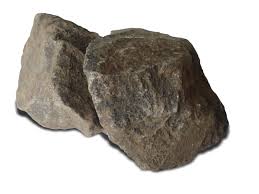
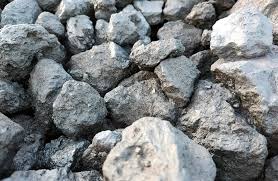
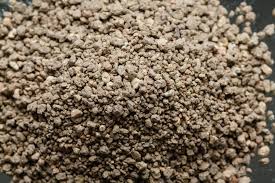
Mineral Resource Trading L.l.c, based in the United Arab Emirates, offers a diverse range of mineral products, with an active product count of 16. The company's product catalogue includes Chrome Ore Lumpy, Manganese Ore, Bentonite, Activated Carbon, Gypsum Lumps, Limestone, Quick Lime, Hydrated Lime, Kaolin, Molasses, Cement, Clinker, Silico Manganese, Scrap Tyres, Fluorspar, and Frac Sand. These products fall under various top categories, including Limestone, Iron Ore, Manganese Ore, Bentonite, Carbon, Gypsum, Kaolin, and Sugarcane Products. The United Arab Emirates, with its strategic location, serves as a significant hub for the export of these minerals to regions such as Asia, Europe, and Africa.
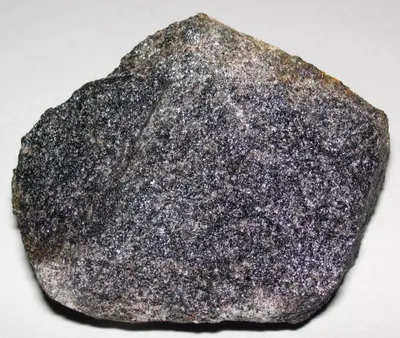
The company's product range is characterized by specific HS code families, including 2610.00 for Chrome Ore Lumpy, 2602.00 for Manganese Ore, 2508.10 for Bentonite, and 2520.10 for Gypsum Lumps. The materials involved include Chromite Ore (Cr2O3 24%-50%), Manganese Ore (Lumpy), Bentonite Clay (Natural Smectite), and Calcium Sulfate Dihydrate (CaSO4·2H2O) for High Purity Gypsum. Understanding these specifics is crucial for buyers looking to source minerals from Mineral Resource Trading L.l.c.
Product Range and Specialties of Mineral Resource Trading L.l.c
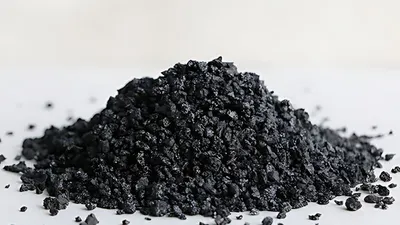
Mineral Resource Trading L.l.c's product range encompasses a variety of minerals, each with its own set of specifications and standards. For instance, Chrome Ore Lumpy is typically graded based on its chromium content, with common grades including 24%-50% Cr2O3. Manganese Ore, on the other hand, is often classified based on its manganese content, with grades ranging from 40% to 50% Mn. Bentonite, used in a range of applications from drilling fluids to cat litter, is usually specified by its smectite content and its ability to absorb fluids. Activated Carbon, used for purification and filtration, is graded based on its surface area, pore size, and iodine number. These specifics are crucial for buyers to understand when sourcing from Mineral Resource Trading L.l.c.
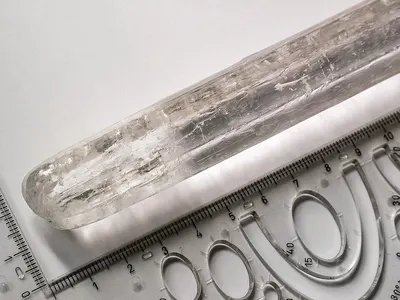
The company's catalogue also includes products like Gypsum Lumps, which are commonly used in the construction industry for plaster and cement production. Gypsum is typically specified by its purity, with high-purity gypsum being over 95% Calcium Sulfate Dihydrate (CaSO4·2H2O). Limestone, another key product, is often graded based on its calcium carbonate content and its particle size distribution. Understanding these industry standards is essential for buyers to ensure they are sourcing the correct materials for their applications.
Trade and Export Information - Mineral Resource Trading L.l.c
Exporters of minerals like Mineral Resource Trading L.l.c typically deal with a range of international markets, including those in Asia, Europe, and Africa. The trade of these minerals involves adherence to various international standards and regulations, including those related to packaging, labeling, and logistics. For example, the export of Chrome Ore Lumpy and Manganese Ore is subject to regulations regarding the handling and transportation of hazardous materials. Buyers of these minerals usually require certifications such as ISO 9001 for quality management and ISO 14001 for environmental management to ensure compliance with international standards.
The HS code families involved in the trade of these minerals, such as 2610.00 for Chrome Ore Lumpy and 2602.00 for Manganese Ore, are critical for customs clearance and regulatory compliance. Incoterms like CIF (Cost, Insurance, and Freight) and FOB (Free on Board) are commonly used in the trade of these minerals, defining the responsibilities of the buyer and the seller regarding the delivery of goods. Understanding these trade norms is essential for successful transactions.
Sourcing from Mineral Resource Trading L.l.c - Buyer Guidance
Buyers sourcing minerals from Mineral Resource Trading L.l.c should request specifications, samples, and test reports to verify the quality and composition of the products. For instance, when purchasing Chrome Ore Lumpy, buyers should request a certificate of analysis to confirm the chromium content and other relevant parameters. Similarly, for Manganese Ore, a certificate of origin and a quality control report can provide assurance of the product's grade and purity.
It is also advisable for buyers to verify the certifications and compliance of the supplier with international standards and regulations. Requesting documents such as ISO 9001 and ISO 14001 certifications can provide confidence in the supplier's quality management and environmental responsibility. Understanding the typical quality parameters and test methods for each mineral product is crucial for buyers to make informed purchasing decisions and to ensure that the products meet their application requirements.
Frequently Asked Questions About Mineral Resource Trading L.l.c
What is the typical chromium content in Chrome Ore Lumpy?
The typical chromium content in Chrome Ore Lumpy can range from 24% to 50% Cr2O3, depending on the grade and source of the ore.
How is Manganese Ore classified?
Manganese Ore is often classified based on its manganese content, with grades ranging from 40% to 50% Mn.
What are the common applications of Bentonite?
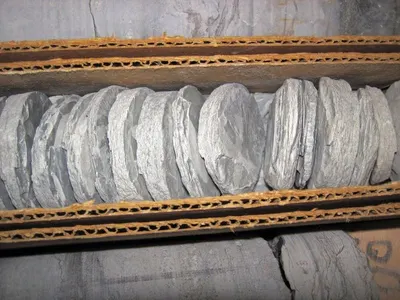
Bentonite is used in a range of applications, including drilling fluids, cat litter, and as a binder in the manufacture of pellets.
What is the significance of the iodine number in Activated Carbon?
The iodine number in Activated Carbon indicates its ability to absorb iodine and, by extension, other substances, reflecting its surface area and pore size distribution.
How is Gypsum Lumps typically used?
Gypsum Lumps are commonly used in the construction industry for plaster and cement production, due to its high purity and reactivity.
What certifications should buyers look for when sourcing minerals?
Buyers should look for certifications such as ISO 9001 for quality management and ISO 14001 for environmental management to ensure compliance with international standards.
What is the purpose of requesting a certificate of analysis for mineral products?
Requesting a certificate of analysis provides buyers with detailed information about the composition and quality of the mineral products, ensuring they meet the required specifications.
How do Incoterms affect the trade of minerals?
Incoterms like CIF and FOB define the responsibilities of the buyer and the seller regarding the delivery of goods, including costs, insurance, and freight, and are critical for understanding the terms of trade.




 , United Arab Emirates