Meldi International — Verified Supplier
About Meldi International - Spices Powder Supplier in India
Based in India, Meldi International lists 29 active products spanning spices powders, beans, pulses, vegetable powders, peas, fresh onion, psyllium husk and stainless steel utensils. The catalogue includes items such as fresh onion, coriander seed powder, red chilli powder, turmeric, dry ginger powder and a range of dried legumes. Three legume products carry specific HS codes: Lobia Beans (HS 0713.39), Adzuki Beans (HS 0713.33) and Green Gram Beans (HS 0713.90), all classified under Chapter 07 for dried leguminous vegetables. The remaining items are grouped under typical HS headings for spices (0910) and fresh produce (0701). Each spice entry typically corresponds to the standard HS chapter 0910, which encompasses ground and whole aromatic vegetables. The legume entries fall under HS chapter 0713, a category commonly subject to phytosanitary inspection before export.
Product Range and Specialties of Meldi International
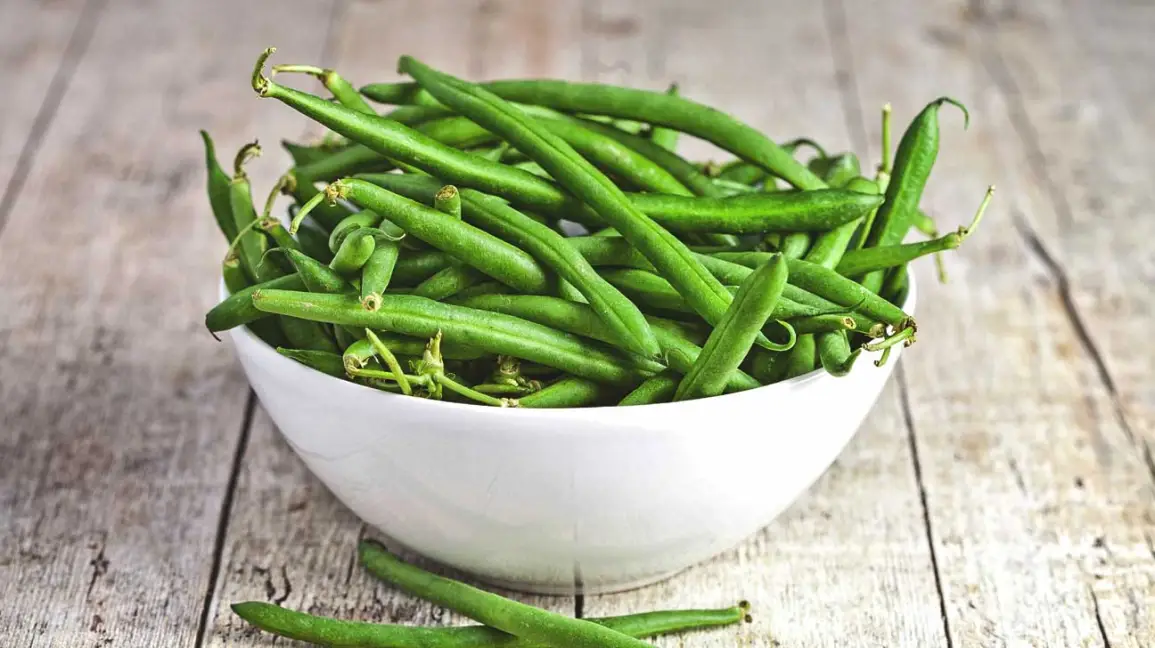
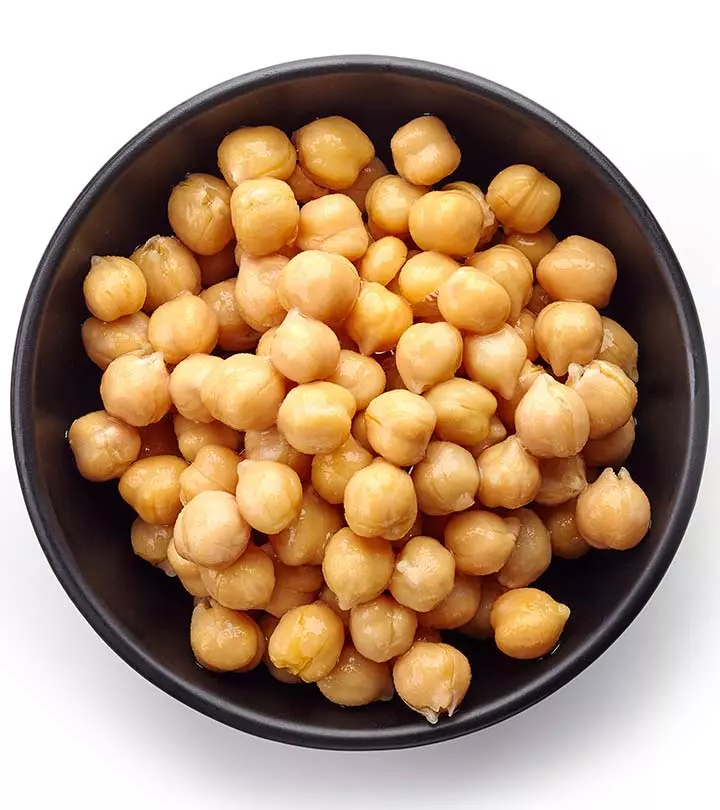
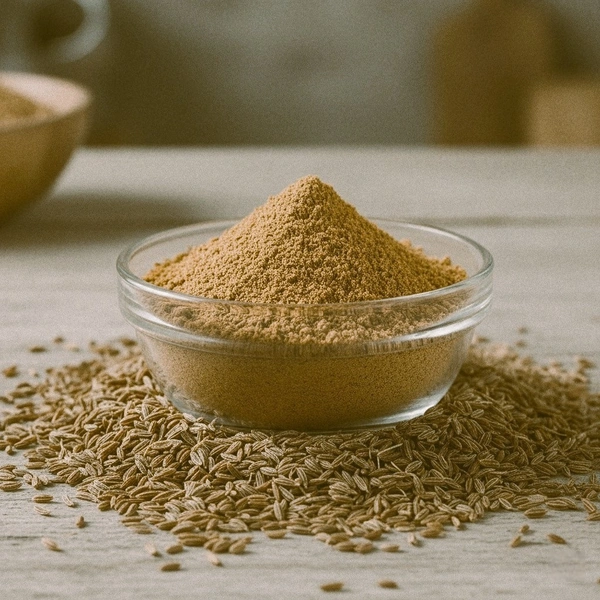
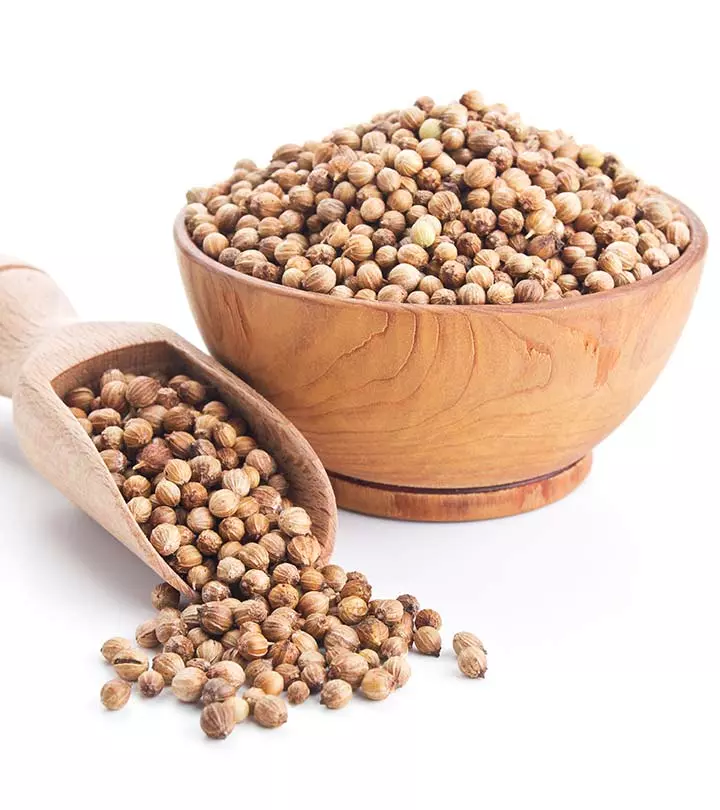
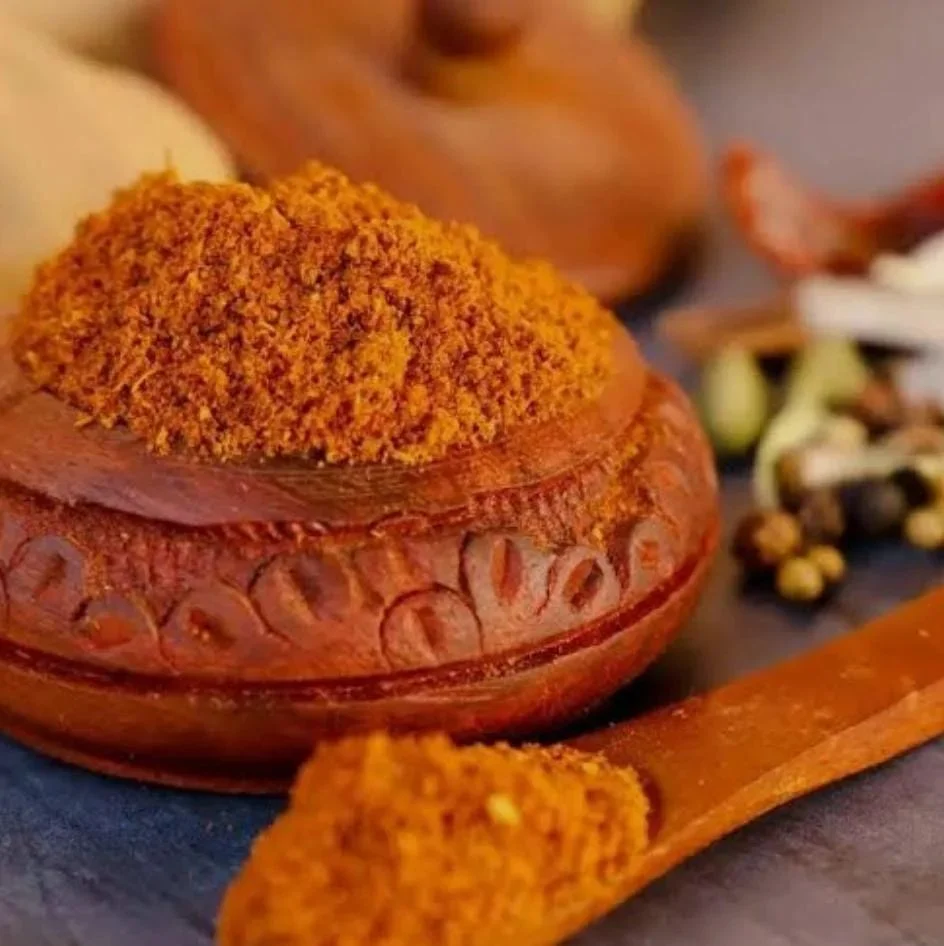
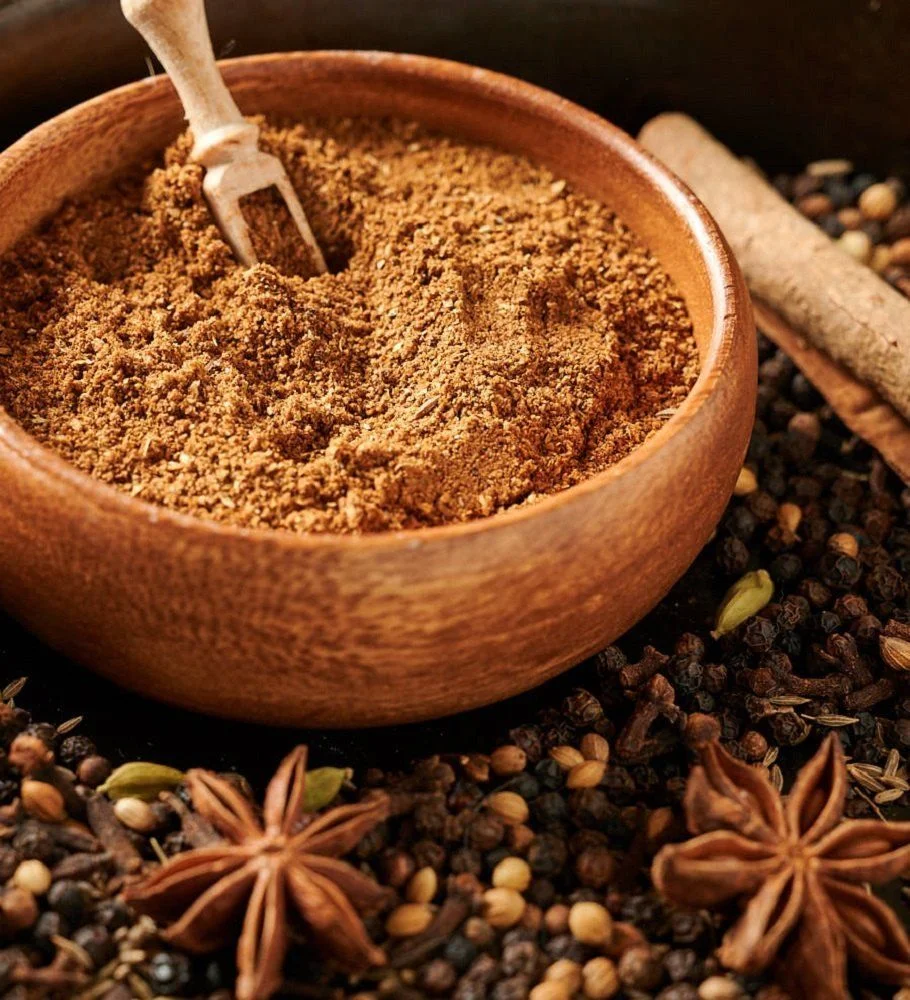
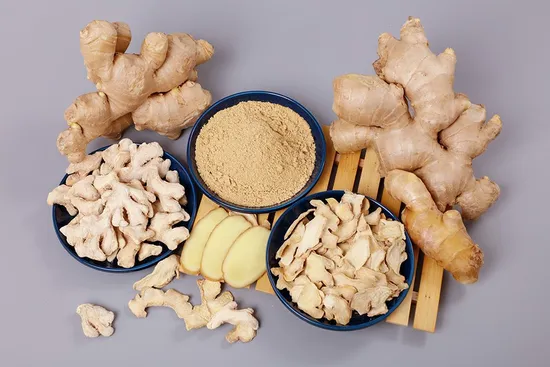
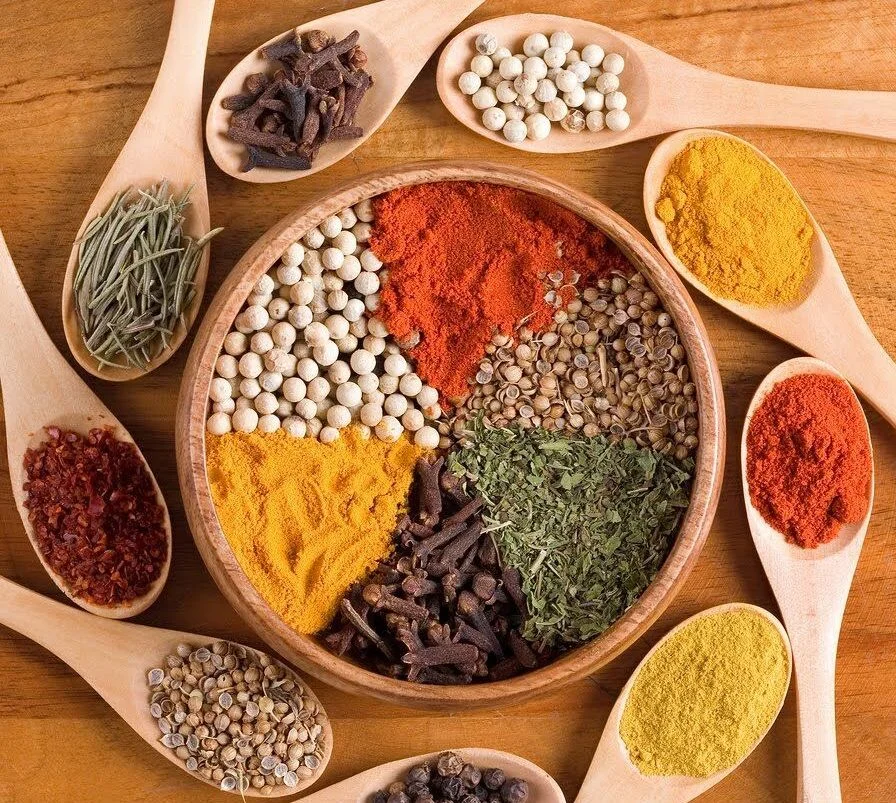
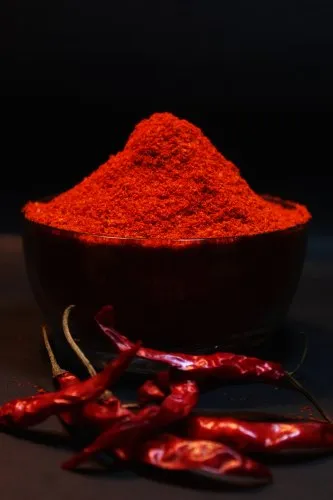
From the catalogue, Meldi International supplies fresh onion, a full set of spice powders such as coriander seed powder, red chilli powder, turmeric powder, dry ginger powder, white pepper powder, and fennel seeds, as well as whole spices like cumin seeds, mustard seeds and red chilli. The legume segment includes dried beans and pulses such as Lobia Beans, Adzuki Beans, Toor dal, Matar Dal, Chickpeas, Kidney Beans (Rajma), Green Peas, Split Bengal Gram Dal and Green Gram Beans, each generally classified under HS 0713.
In international trade, spice powders are commonly graded by moisture content (typically ≤12 %), ash content (≤5 %), and microbial limits (e.g., total plate count ≤10⁴ CFU/g). Turmeric powder often targets curcumin levels of 3 - 6 % and a characteristic deep orange hue measured by ICUMSA colour values around 50 - 70. Legume powders and whole beans are evaluated for size uniformity (e.g., 2 - 4 mm for split dal) and low pesticide residues, with many buyers requesting a certificate of analysis confirming compliance with Codex maximum residue limits. Standard packaging for bulk spices and beans includes 25 kg multi‑wall paper bags or 1 ton bulk containers, allowing 20‑ft containers to hold approximately 18 tons of product.
Trade and Export Information - Meldi International
India is a major exporter of spices, legumes and fresh vegetables, with the European Union, United States, Middle East and Southeast Asia representing the largest import markets for these commodities. Products such as coriander seed powder, red chilli powder and turmeric fall under HS chapter 0910, while dried beans and pulses are classified under HS chapter 0713, both of which require phytosanitary certificates and compliance with Codex Alimentarius standards.
Buyers typically request documentation including an FSSAI license, ISO 22000 or HACCP audit report, and a certificate of origin for Indian‑origin food items. Depending on the destination, additional certifications such as EU organic, USDA Organic or Halal may be required. Shipping is commonly arranged on FOB Kolkata or Mumbai ports, with container loads of 20‑ft or 40‑ft, and goods are packed in moisture‑resistant jute or polypropylene bags to meet import regulations.
Sourcing from Meldi International - Buyer Guidance
When sourcing from Meldi International, buyers should obtain a detailed product specification sheet that lists moisture, ash, particle size and any pesticide residue limits. A recent laboratory analysis or COA (Certificate of Analysis) for the specific batch should be requested to verify compliance with Codex MRLs and microbiological standards. Samples are usually provided in 500 g to 1 kg quantities, and the typical minimum order quantity for bulk spices and beans ranges from 500 kg to 1 ton, though this can vary by product and packaging preference. Verification of the supplier’s FSSAI registration and any third‑party audit reports helps mitigate risk before finalizing a contract.
Frequently Asked Questions About Meldi International
What HS codes apply to Meldi International’s legume products?
Legume items such as Lobia Beans, Adzuki Beans and Green Gram Beans are listed under HS 0713.39, 0713.33 and 0713.90 respectively, which belong to Chapter 07 for dried leguminous vegetables.
Which certifications should a buyer request for the spice powders?
Buyers should ask for the supplier’s FSSAI license, an ISO 22000 or HACCP audit report, and a Certificate of Analysis showing moisture ≤12 %, ash ≤5 % and compliance with Codex pesticide limits.
What packaging formats are typical for the listed spices and beans?
Bulk spices and beans are usually packed in 25 kg multi‑wall paper bags or 1‑ton bulk bags, which are then loaded into 20‑ft or 40‑ft containers for sea freight.
Are phytosanitary certificates required for the fresh onion and legumes?
Yes, most importing countries require a phytosanitary certificate for fresh produce and for dried legumes to confirm they are free from quarantine pests.
What sample size is commonly offered for testing?
Suppliers typically provide 500 g to 1 kg samples of spice powders or beans for laboratory testing before a larger order is placed.
What are common Incoterms used for shipments from India?
FOB (Free on Board) from major Indian ports such as Kolkata or Mumbai and CIF (Cost, Insurance, Freight) to destination ports are the most frequently used terms.




 , India