Mangal Exports — Supplier

About Mangal Exports - Silk Carpets Supplier in India

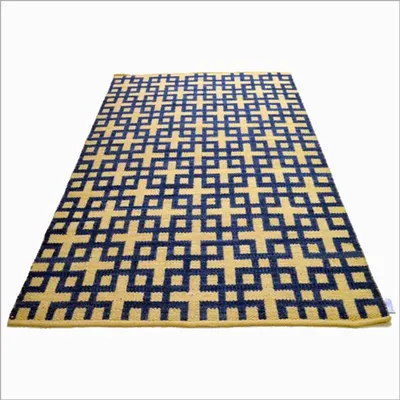
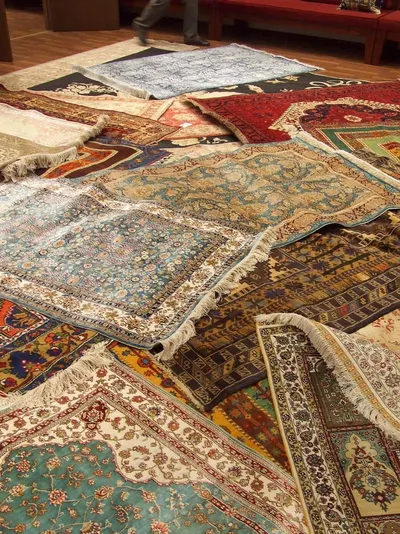
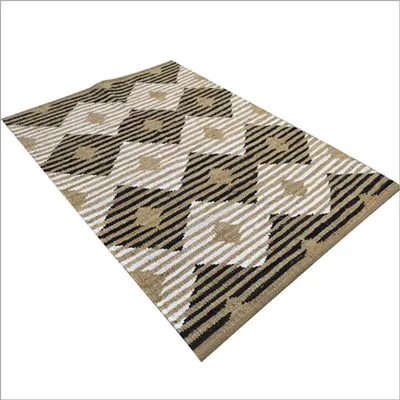
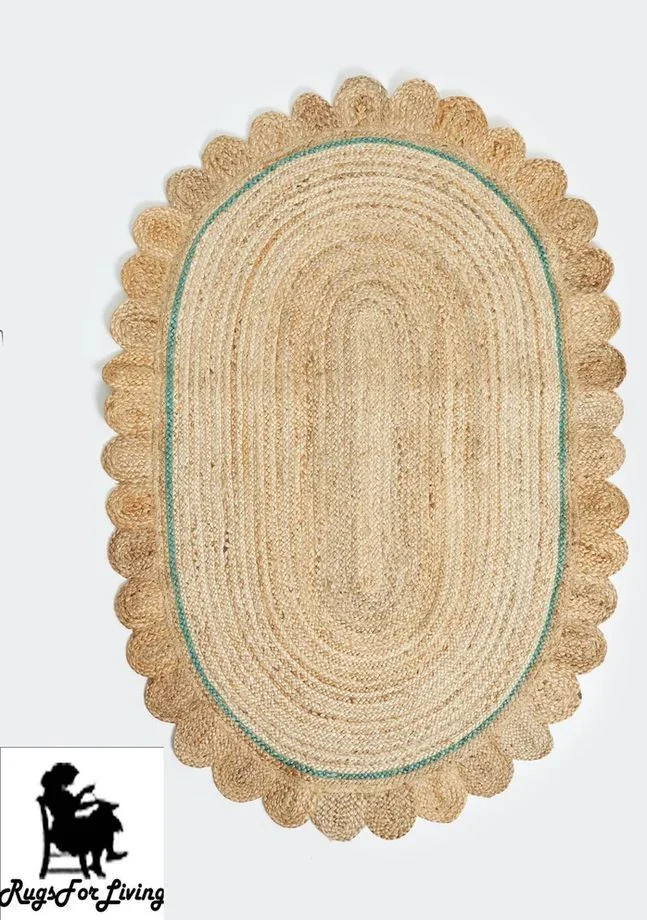
Mangal Exports is based in India and currently lists ten active products across its carpet portfolio. The catalogue includes silk carpets, wool‑silk blended carpets, wool‑viscose carpets, hand‑knotted modern‑design carpets, traditional‑design wool‑silk carpets, shaggy wool carpets, as well as jute rugs and cotton rugs. Each product falls under the broader HS chapter 57 covering textile floor coverings. The supplier’s top categories are identified as Silk Carpets, Carpets, Jute Rugs and Cotton Rugs. No additional product categories are mentioned in the provided data.

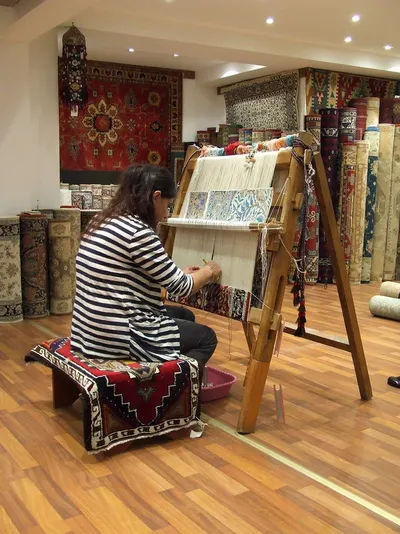
The listed items are described by material composition such as pure silk, wool‑silk blends, wool‑viscose blends, and natural fibres like jute and cotton. Hand‑knotted techniques are noted for several ranges, indicating a focus on woven construction rather than tufted. The product titles do not specify dimensions, knot density, or finishing treatments, which are common differentiators in the carpet market. Potential buyers can therefore expect a selection that spans both traditional and contemporary design orientations.

Product Range and Specialties of Mangal Exports

The catalogue covers a spectrum of hand‑knotted and woven floor coverings. Silk carpets and wool‑silk blends are typically evaluated by knot density (300 - 500 knots / m² for premium silk, 150 - 300 knots / m² for wool‑silk blends) and pile height (5 - 10 mm). Wool‑viscose carpets often balance softness with durability and may be graded by tensile strength of the backing (≥2 MPa) and abrasion resistance (Martindale ≥20 000 cycles). Jute rugs and cotton rugs are natural‑fiber products where weight (≈1.2 - 1.5 kg / m² for jute, 0.8 - 1.0 kg / m² for cotton) and moisture content (≤12 %) are standard quality checks. Buyers usually request specifications on fibre content, knot count, and finishing treatments such as anti‑slip backing or fire‑retardant treatment.

Trade and Export Information - Mangal Exports

India is a long‑standing exporter of textile floor coverings, with HS code 5702 used for most carpet and rug shipments. Major import markets for Indian carpets include the United States, the European Union (especially Germany, Italy and the United Kingdom), and the Gulf Cooperation Council states. Typical certifications requested by importers are ISO 9001 for quality management, Oeko‑Tex Standard 100 for fibre safety, and, where applicable, fire‑safety certifications such as EN 13501‑1. Products are generally packed rolled in protective paper, placed in 20‑ft or 40‑ft containers, and shipped under CIF or FOB terms. Indian exporters often work with customs brokers to ensure compliance with phytosanitary and textile labeling regulations.

Sourcing from Mangal Exports - Buyer Guidance

When sourcing from Mangal Exports, buyers should request a detailed product data sheet that lists fibre composition, knot density, pile height, backing type and any chemical treatments. Samples should be examined for colourfastness (ISO 105‑B02), abrasion resistance (Martindale) and dimensional stability after washing. Buyers are advised to confirm the presence of any required certifications (e.g., ISO 9001, Oeko‑Tex) and to obtain a third‑party lab test report for fire‑retardancy if the destination market mandates it. Verifying container loading plans and packaging methods helps avoid damage during transit.

Frequently Asked Questions About Mangal Exports

What types of carpet materials does Mangal Exports list?

The supplier lists silk, wool‑silk blends, wool‑viscose blends, as well as natural‑fiber jute and cotton rugs.

Under which HS code are these products classified?

All listed carpet and rug items fall under HS chapter 57, specifically HS 5702 for textile floor coverings.

Which certifications should a buyer request for these carpets?

Buyers typically request ISO 9001 for quality management, Oeko‑Tex Standard 100 for fibre safety, and any fire‑safety certificates required by the destination market.

What are common quality specifications for silk carpets?

Silk carpets are commonly evaluated by knot density (300 - 500 knots / m²), pile height (5 - 10 mm), and colour‑fastness to washing and light.

How are the carpets usually packaged for export?

Carpets are generally rolled, wrapped in protective paper or plastic, and loaded into 20‑ft or 40‑ft containers to prevent creasing and moisture ingress.

What lead times are typical for orders from India?

Lead times for hand‑knotted carpets can range from 30 to 90 days depending on design complexity, while jute and cotton rugs often ship within 15 to 30 days after order confirmation.

Which regions most frequently import Indian carpets?

The United States, European Union countries and Gulf Cooperation Council states are the primary import regions for Indian‑origin carpets.

What documentation is needed for customs clearance?

Standard documentation includes a commercial invoice, packing list, certificate of origin, and any required test reports or certification copies.


Featured Products from this Supplier

Other Suppliers in Primary Category

Top Trusted Suppliers

Related Products

Trending in Parent Category

More Suppliers in Category

Related Products

Other Suppliers

EximNext
7.1K+ live requirements
Register Free🎁 Reach global buyers
Post Requirement
🌍 Trusted by 225K+ businesses in 200+ countries|
7.1K+ active requirements right now
✉️ [email protected]
|
Sell on EximNextPost Requirement
EximNext
AgricultureApparelConstructionElectronicFoodHomeIndustrialMineralsMiscellaneous
🔥 Deals|✨ AI Match|🏭 Suppliers|📋 Buy Leads|💰 Trade Finance
7.1K+ live RFQs·194.8K+ suppliers
🎁 Reach global buyers →
EximNext
EximNext
Register Free
🎁 Reach global buyers
Sign In
📋Post Requirement💬Get Quotes✨AI Match📋RFQ Marketplace
All Categories
Services & Tools
🏭Supplier Directory🔥Today's Deals💰Trade Finance
Sell on EximNext →
AboutContactBlogHelp
Apparel & Home  ·  India
10
products listed

Mangal Exports

⚓ Harbor
Country flag , IndiaNew supplier / no reviews yet
🛡️
55/100
Trust Score

Mangal Exports Product Catalog

Showing 10 of 10 products
View all products →
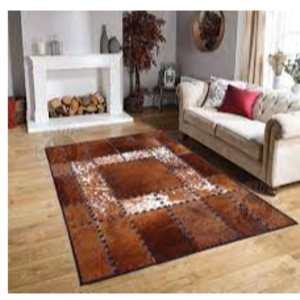
Hand Knotted Modern Design Carpets
⚓ Harbor
Hand Knotted Modern Design Carpets
Contact
MOQ: 1 Unit
Wool Silk Traditional Design Carpet
⚓ Harbor
Wool Silk Traditional Design Carpet
Contact
MOQ: 1 Unit
Hand Knotted Wool Silk Carpets
⚓ Harbor
Hand Knotted Wool Silk Carpets
Contact
MOQ: 1 Unit
Modern Design Carpet
⚓ Harbor
Modern Design Carpet
Contact
MOQ: 1 Unit
Wool Shaggy Carpets
⚓ Harbor
Wool Shaggy Carpets
Contact
MOQ: 1 Unit
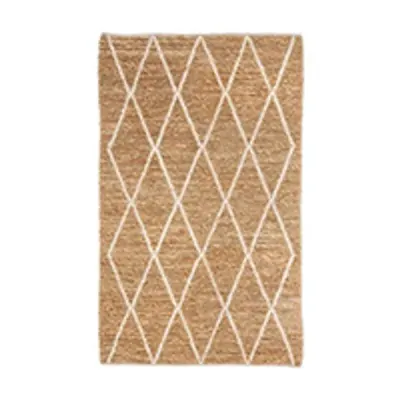
Jute Rugs
⚓ Harbor
Jute Rugs
Contact
MOQ: 1 Unit
Cotton Rugs
⚓ Harbor
Cotton Rugs
Contact
MOQ: 1 Unit
Wool Silk Carpets
⚓ Harbor
Wool Silk Carpets
Contact
MOQ: 1 Unit
Wool Viscose Carpets
⚓ Harbor
Wool Viscose Carpets
Contact
MOQ: 1 Unit
Silk carpets
⚓ Harbor
Silk carpets
Contact
MOQ: 1 Unit

About Mangal Exports - Silk Carpets Supplier in India

Mangal Exports is based in India and currently lists ten active products across its carpet portfolio. The catalogue includes silk carpets, wool‑silk blended carpets, wool‑viscose carpets, hand‑knotted modern‑design carpets, traditional‑design wool‑silk carpets, shaggy wool carpets, as well as jute rugs and cotton rugs. Each product falls under the broader HS chapter 57 covering textile floor coverings. The supplier’s top categories are identified as Silk Carpets, Carpets, Jute Rugs and Cotton Rugs. No additional product categories are mentioned in the provided data.

The listed items are described by material composition such as pure silk, wool‑silk blends, wool‑viscose blends, and natural fibres like jute and cotton. Hand‑knotted techniques are noted for several ranges, indicating a focus on woven construction rather than tufted. The product titles do not specify dimensions, knot density, or finishing treatments, which are common differentiators in the carpet market. Potential buyers can therefore expect a selection that spans both traditional and contemporary design orientations.

Product Range and Specialties of Mangal Exports

The catalogue covers a spectrum of hand‑knotted and woven floor coverings. Silk carpets and wool‑silk blends are typically evaluated by knot density (300 - 500 knots / m² for premium silk, 150 - 300 knots / m² for wool‑silk blends) and pile height (5 - 10 mm). Wool‑viscose carpets often balance softness with durability and may be graded by tensile strength of the backing (≥2 MPa) and abrasion resistance (Martindale ≥20 000 cycles). Jute rugs and cotton rugs are natural‑fiber products where weight (≈1.2 - 1.5 kg / m² for jute, 0.8 - 1.0 kg / m² for cotton) and moisture content (≤12 %) are standard quality checks. Buyers usually request specifications on fibre content, knot count, and finishing treatments such as anti‑slip backing or fire‑retardant treatment.

Trade and Export Information - Mangal Exports

India is a long‑standing exporter of textile floor coverings, with HS code 5702 used for most carpet and rug shipments. Major import markets for Indian carpets include the United States, the European Union (especially Germany, Italy and the United Kingdom), and the Gulf Cooperation Council states. Typical certifications requested by importers are ISO 9001 for quality management, Oeko‑Tex Standard 100 for fibre safety, and, where applicable, fire‑safety certifications such as EN 13501‑1. Products are generally packed rolled in protective paper, placed in 20‑ft or 40‑ft containers, and shipped under CIF or FOB terms. Indian exporters often work with customs brokers to ensure compliance with phytosanitary and textile labeling regulations.

Sourcing from Mangal Exports - Buyer Guidance

When sourcing from Mangal Exports, buyers should request a detailed product data sheet that lists fibre composition, knot density, pile height, backing type and any chemical treatments. Samples should be examined for colourfastness (ISO 105‑B02), abrasion resistance (Martindale) and dimensional stability after washing. Buyers are advised to confirm the presence of any required certifications (e.g., ISO 9001, Oeko‑Tex) and to obtain a third‑party lab test report for fire‑retardancy if the destination market mandates it. Verifying container loading plans and packaging methods helps avoid damage during transit.

Frequently Asked Questions About Mangal Exports

What types of carpet materials does Mangal Exports list?

The supplier lists silk, wool‑silk blends, wool‑viscose blends, as well as natural‑fiber jute and cotton rugs.

Under which HS code are these products classified?

All listed carpet and rug items fall under HS chapter 57, specifically HS 5702 for textile floor coverings.

Which certifications should a buyer request for these carpets?

Buyers typically request ISO 9001 for quality management, Oeko‑Tex Standard 100 for fibre safety, and any fire‑safety certificates required by the destination market.

What are common quality specifications for silk carpets?

Silk carpets are commonly evaluated by knot density (300 - 500 knots / m²), pile height (5 - 10 mm), and colour‑fastness to washing and light.

How are the carpets usually packaged for export?

Carpets are generally rolled, wrapped in protective paper or plastic, and loaded into 20‑ft or 40‑ft containers to prevent creasing and moisture ingress.

What lead times are typical for orders from India?

Lead times for hand‑knotted carpets can range from 30 to 90 days depending on design complexity, while jute and cotton rugs often ship within 15 to 30 days after order confirmation.

Which regions most frequently import Indian carpets?

The United States, European Union countries and Gulf Cooperation Council states are the primary import regions for Indian‑origin carpets.

What documentation is needed for customs clearance?

Standard documentation includes a commercial invoice, packing list, certificate of origin, and any required test reports or certification copies.

About Mangal Exports - Silk Carpets Supplier in India

Mangal Exports is based in India and currently lists ten active products across its carpet portfolio. The catalogue includes silk carpets, wool‑silk blended carpets, wool‑viscose carpets, hand‑knotted modern‑design carpets, traditional‑design wool‑silk carpets, shaggy wool carpets, as well as jute rugs and cotton rugs. Each product falls under the broader HS chapter 57 covering textile floor coverings. The supplier’s top categories are identified as Silk Carpets, Carpets, Jute Rugs and Cotton Rugs. No additional product categories are mentioned in the provided data.

The listed items are described by material composition such as pure silk, wool‑silk blends, wool‑viscose blends, and natural fibres like jute and cotton. Hand‑knotted techniques are noted for several ranges, indicating a focus on woven construction rather than tufted. The product titles do not specify dimensions, knot density, or finishing treatments, which are common differentiators in the carpet market. Potential buyers can therefore expect a selection that spans both traditional and contemporary design orientations.

Product Range and Specialties of Mangal Exports

The catalogue covers a spectrum of hand‑knotted and woven floor coverings. Silk carpets and wool‑silk blends are typically evaluated by knot density (300 - 500 knots / m² for premium silk, 150 - 300 knots / m² for wool‑silk blends) and pile height (5 - 10 mm). Wool‑viscose carpets often balance softness with durability and may be graded by tensile strength of the backing (≥2 MPa) and abrasion resistance (Martindale ≥20 000 cycles). Jute rugs and cotton rugs are natural‑fiber products where weight (≈1.2 - 1.5 kg / m² for jute, 0.8 - 1.0 kg / m² for cotton) and moisture content (≤12 %) are standard quality checks. Buyers usually request specifications on fibre content, knot count, and finishing treatments such as anti‑slip backing or fire‑retardant treatment.

Trade and Export Information - Mangal Exports

India is a long‑standing exporter of textile floor coverings, with HS code 5702 used for most carpet and rug shipments. Major import markets for Indian carpets include the United States, the European Union (especially Germany, Italy and the United Kingdom), and the Gulf Cooperation Council states. Typical certifications requested by importers are ISO 9001 for quality management, Oeko‑Tex Standard 100 for fibre safety, and, where applicable, fire‑safety certifications such as EN 13501‑1. Products are generally packed rolled in protective paper, placed in 20‑ft or 40‑ft containers, and shipped under CIF or FOB terms. Indian exporters often work with customs brokers to ensure compliance with phytosanitary and textile labeling regulations.

Sourcing from Mangal Exports - Buyer Guidance

When sourcing from Mangal Exports, buyers should request a detailed product data sheet that lists fibre composition, knot density, pile height, backing type and any chemical treatments. Samples should be examined for colourfastness (ISO 105‑B02), abrasion resistance (Martindale) and dimensional stability after washing. Buyers are advised to confirm the presence of any required certifications (e.g., ISO 9001, Oeko‑Tex) and to obtain a third‑party lab test report for fire‑retardancy if the destination market mandates it. Verifying container loading plans and packaging methods helps avoid damage during transit.

Frequently Asked Questions About Mangal Exports
What types of carpet materials does Mangal Exports list?
The supplier lists silk, wool‑silk blends, wool‑viscose blends, as well as natural‑fiber jute and cotton rugs.
Under which HS code are these products classified?
All listed carpet and rug items fall under HS chapter 57, specifically HS 5702 for textile floor coverings.
Which certifications should a buyer request for these carpets?
Buyers typically request ISO 9001 for quality management, Oeko‑Tex Standard 100 for fibre safety, and any fire‑safety certificates required by the destination market.
What are common quality specifications for silk carpets?
Silk carpets are commonly evaluated by knot density (300 - 500 knots / m²), pile height (5 - 10 mm), and colour‑fastness to washing and light.
How are the carpets usually packaged for export?
Carpets are generally rolled, wrapped in protective paper or plastic, and loaded into 20‑ft or 40‑ft containers to prevent creasing and moisture ingress.
What lead times are typical for orders from India?
Lead times for hand‑knotted carpets can range from 30 to 90 days depending on design complexity, while jute and cotton rugs often ship within 15 to 30 days after order confirmation.
Which regions most frequently import Indian carpets?
The United States, European Union countries and Gulf Cooperation Council states are the primary import regions for Indian‑origin carpets.
What documentation is needed for customs clearance?
Standard documentation includes a commercial invoice, packing list, certificate of origin, and any required test reports or certification copies.

Mangal Exports
Country flag India
⚓ HarborApparel & Home
55/100
Trust Score
10
Products
✓ Free to contact — no commission
✓ Escrow payment available
✓ Verified business identity
Compare more suppliers
Post a requirement — get 10 quotes free
Let verified suppliers compete for your business. Free, fast, no commitment.
Due Diligence
Verify this supplier's real shipping history.
Every shipment, every buyer, every port. Trade data that can't be faked.
Run due diligence →
Discover More

Related Suppliers & Products

Explore similar suppliers, related products and trending categories

Featured Products from this Supplier

Other Suppliers in Primary Category

Top Trusted Suppliers

Related Products

Trending in Parent Category

More Suppliers in Category

Stay ahead in global trade
Weekly market insights & new supplier alerts.
EximNext
Exim Next is a leading global B2B marketplace, connecting over 220,000 registered suppliers and buyers across 200+ countries. As a trusted import export marketplace, it serves as the essential B2B portal for businesses worldwide, empowering them to expand their international reach. With Exim Next, businesses can trade smarter and grow faster.
SECURE PAYMENTS
VISAMastercardPayPalSWIFTL/CEscrow
Follow us
© 2026 EximNext