M/s. Al Ali Export Import — Supplier
About M/s. Al Ali Export Import - Food Products Supplier in India
M/s. Al Ali Export Import operates from India and currently lists 82 active products across its catalogue. The supplier's primary categories include IQF or frozen vegetables, fruit powder, IQF or frozen fruits, fruit pulp, vegetable powder, food additives, tomato paste & purees, and honey. The product portfolio is organized under HS code families typical for frozen horticultural produce (chapter 20), dried powders (chapter 21), and natural sweeteners (chapter 17). The company’s trust tier is classified as harbor, indicating a mid‑level verification status on B2B platforms. Its catalogue reflects a focus on both fresh and processed plant‑based ingredients.
Product Range and Specialties of M/s. Al Ali Export Import
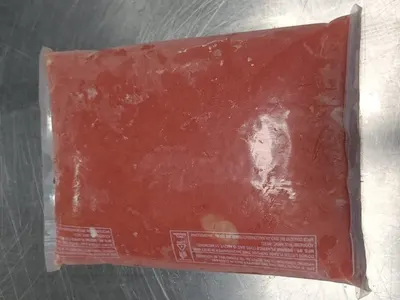
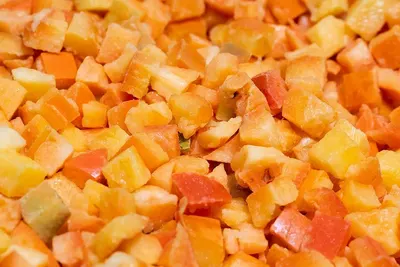
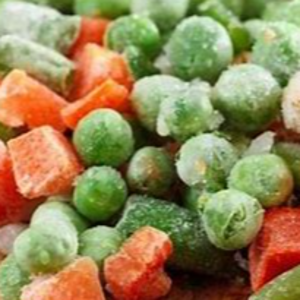
The listed frozen horticultural products are supplied as individually quick frozen (IQF) items, a process that maintains cell integrity by freezing each piece at temperatures below - 18 °C within minutes. Buyers usually expect a moisture content of 75‑80 % for frozen vegetables and a flash‑frozen state that prevents ice crystal growth. Common specifications include size grading (e.g., capsicum pieces 15‑20 mm) and packaging in 20 ft or 40 ft refrigerated containers with insulated liners.
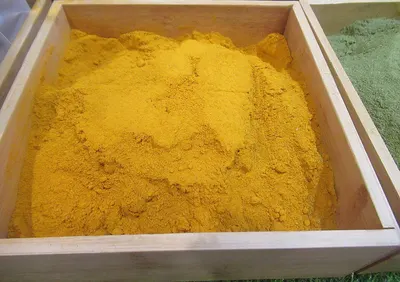
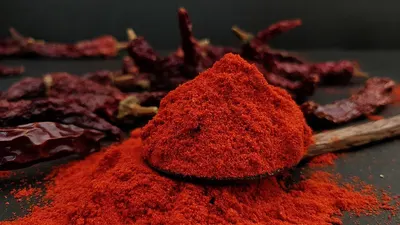
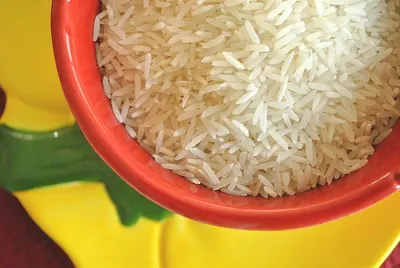
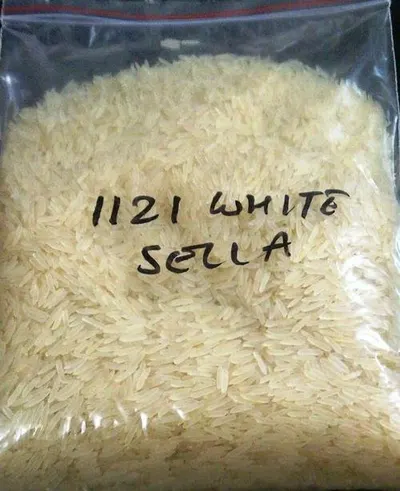
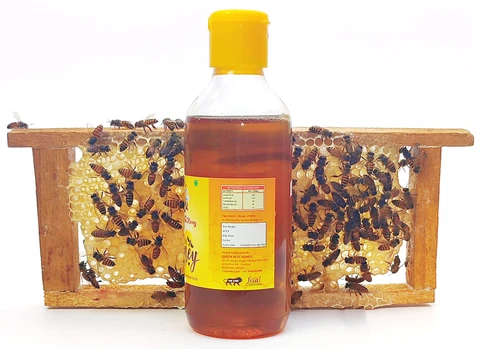
Spray‑dried fruit and vegetable powders are typically produced to a moisture level below 8 % and a residual water activity under 0.4, which ensures shelf stability. Standard quality grades for powders such as beetroot or tomato involve a color index (e.g., L* value) and particle size distribution of 100 - 250 µm. Natural honey is generally evaluated against ICUMSA 45 purity, a moisture ceiling of 18 %, and a diastase activity of at least 8 Schmidt. Rice (IR 64) is a medium‑grain variety commonly exported with a broken rice content below 5 % and a moisture level of 12‑14 %.
Trade and Export Information - M/s. Al Ali Export Import
India ranks among the top global exporters of IQF frozen horticulture, with the majority of shipments destined for the United Arab Emirates, Saudi Arabia, the United Kingdom and the United States. Export logistics commonly use refrigerated containers (reefers) of 20 ft (≈10 t) or 40 ft (≈20 t) capacity, and the HS chapter 20 codes (e.g., 2008 for frozen vegetables, 2005 for frozen fruits) are routinely applied.
Fruit and vegetable powders from India fall under HS chapter 21 (e.g., 2106) and are typically shipped in bulk bags or 25 kg cartons, often requiring phytosanitary certificates and a certificate of analysis confirming moisture and microbiological limits. Honey exports are classified under HS 1702 and buyers usually request conformity to ICUMSA standards and a recent laboratory test for pesticide residues. Rice (IR 64) is exported under HS 1006 and commonly requires a fumigation certificate and a moisture certificate.
Sourcing from M/s. Al Ali Export Import - Buyer Guidance
When sourcing frozen vegetables or fruits from this supplier, buyers should ask for a recent sampling report that includes freeze‑point temperature, moisture content and visual inspection of piece size. A phytosanitary certificate and a certificate of origin are standard documents for customs clearance of horticultural goods.
For spray‑dried powders and honey, request a laboratory certificate of analysis showing moisture, ash, acidity (for honey) and microbial limits (e.g., total plate count <10 cfu/g). Minimum order quantities for bulk powders are often 500 kg per SKU, while frozen vegetable shipments usually start at one 20 ft refrigerated container. Verify packing details - e.g., insulated pallets with polyethylene liners - and confirm the Incoterm (CIF or FOB) before finalising the contract.
Frequently Asked Questions About M/s. Al Ali Export Import
What product categories does M/s. Al Ali Export Import offer?
The supplier lists IQF frozen vegetables and fruits, spray‑dried fruit and vegetable powders, natural honey, IR 64 rice and traditional sweetener jaggery, covering both fresh and value‑added plant‑based ingredients.
How can I obtain a sample of the frozen vegetables?
Buyers can request a sample shipment of a 5 kg batch, which should be packed in insulated boxes with dry ice to maintain the - 18 °C temperature until receipt.
Which quality documents are typically required for the honey product?
A laboratory certificate of analysis confirming ICUMSA 45 purity, moisture ≤18 %, diastase activity ≥8 Schmidt and a pesticide residue test are standard; the buyer should also ask for the phytosanitary certificate and a certificate of origin.
What are the usual packaging sizes for spray‑dried powders?
Powdered products are commonly packed in food‑grade 25 kg multi‑wall bags or 1 ton bulk bags, with inner liners to protect against moisture ingress.
What is the typical lead time for a full 20 ft refrigerated container of IQF frozen fruits?
Lead times generally range from 30 to 45 days from order confirmation, covering processing, freezing, packaging and inland transport to the nearest Indian port.
Which certifications should I verify before placing an order?
While the supplier’s catalogue does not list specific certifications, buyers usually require ISO 22000 or FSSC 22000 for food safety, and may request HACCP compliance, especially for frozen and powdered foods.
What Incoterms are commonly used for shipments from India?
FOB (Free on Board) from major Indian ports such as Mumbai or Chennai, and CIF (Cost, Insurance, Freight) to destination ports are the most frequently applied terms for horticultural and food products.




 , India