Livesea Charcex Enterprises — Verified Supplier
About Livesea Charcex Enterprises - Multi‑Category Supplier in Kenya
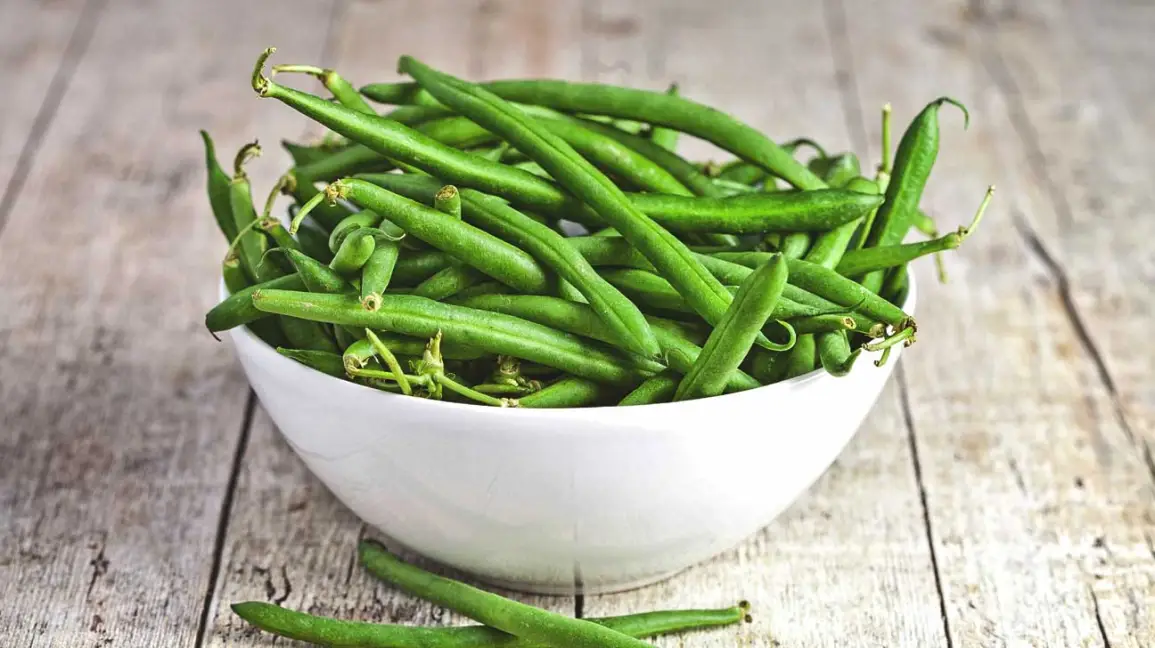
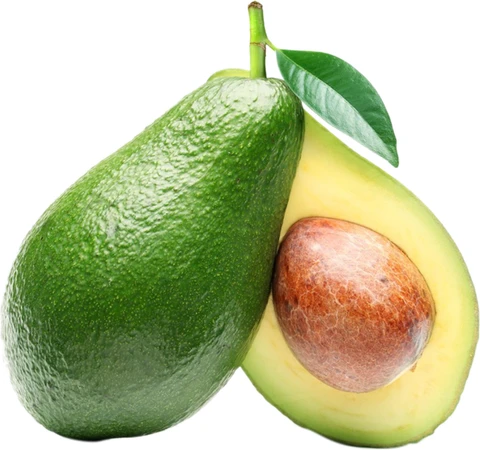
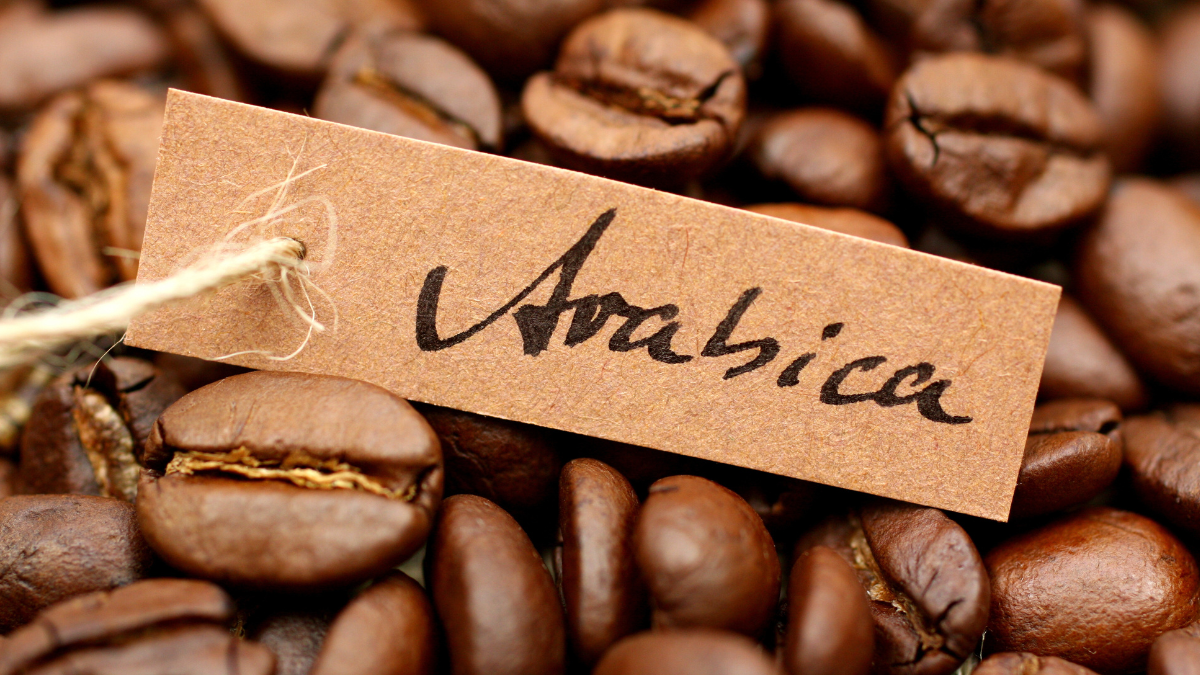
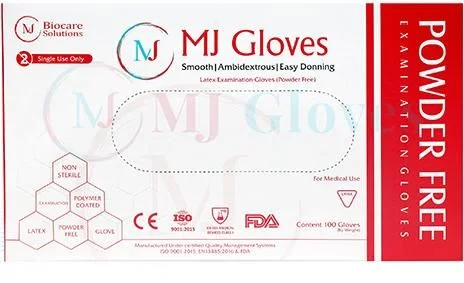
Kenya hosts Livesea Charcex Enterprises, which lists 15 active products across several categories including other medical equipment, medical gloves, beans, avocado, kidney beans, jute bags, fresh lobsters and dried seafood. The catalogue shows items such as new jute bags, live lobsters, dried sea cucumbers (HS 0308.19), live mud crab, organic groundnuts, non‑GMO soybean, Kenya mangoes, ICUMSA 45 sugar, red kidney beans, raw Arabica coffee beans, fresh Hass avocado (HS 0804.40), and various dried bean varieties (HS 0713.33).
The product list combines fresh horticulture (avocado, mango), legumes (beans, kidney beans, soybeans), seafood (live lobsters, mud crab, dried sea cucumber) and ancillary items such as jute bags. Where HS codes are supplied, they align with standard tariff headings: 0308.19 for dried sea cucumbers, 0804.40 for fresh Hass avocado, and 0713.33 for dried kidney and speckled beans.
Product Range and Specialties of Livesea Charcex Enterprises
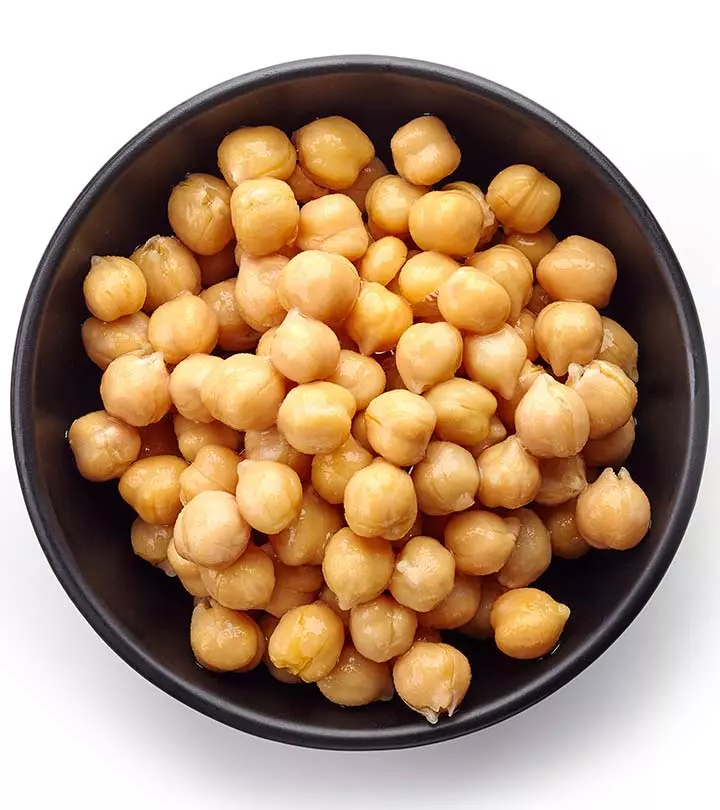
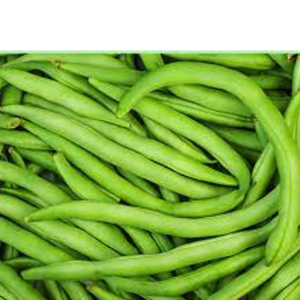
The catalogue includes fresh Hass avocado packaged for export, typically graded by size (e.g., 150‑200 mm) and firmness, with a maximum moisture content of 70 % and a Brix range of 8‑10. Bean products fall under HS 0713.33 and are commonly sold with moisture ≤13 % and foreign seed content ≤0.1 %; red kidney beans and red speckled beans are usually classified as Grade A for uniform size and color. Live lobsters and mud crab are exported as live seafood, usually packed in insulated boxes with ice and oxygenated water, and must meet size specifications of 120‑180 mm carapace length for the EU market. Dried sea cucumbers are processed to a moisture level below 12 % and graded by body length and texture. New jute bags are woven from natural fibre with typical GSM of 250‑300 and dimensions of 60 × 40 cm, suitable for bulk agricultural transport.
Trade and Export Information - Livesea Charcex Enterprises
Kenyan exporters of avocado, beans and coffee primarily ship to the European Union, the United Arab Emirates and the United States, using HS chapters 08, 07 and 09 respectively. Live seafood from Kenya is commonly sent to the EU and East Asian markets under refrigerated container (reef) shipments, with HS 0308 and 0307 codes governing dried and live marine products. Standard certifications requested by importers include a phytosanitary certificate, HACCP compliance for fresh produce, and ISO 22000 for processed seafood. Export logistics often involve 20‑ft or 40‑ft containers; fresh avocado and live lobsters require refrigerated (reefer) containers at 0‑2 °C, while dried beans and sea cucumbers are shipped in dry containers with moisture‑proof packaging. Kenya’s export framework mandates customs declaration with the appropriate HS code and may require a Certificate of Origin for preferential duty treatment under the EU‑Kenya Economic Partnership Agreement.
Sourcing from Livesea Charcex Enterprises - Buyer Guidance
Buyers should request a recent phytosanitary certificate for all fresh horticultural items and a HACCP audit report for live seafood. For beans and dried legumes, a laboratory analysis confirming moisture content, aflatoxin levels and seed purity should be reviewed before placing a purchase order. Verify that jute bags meet the required GSM and tensile strength by asking for a product test report; specifications such as burst strength ≥ 300 N are common in bulk shipping contracts. When ordering live lobsters, confirm the supplier’s ability to provide oxygenated water packs and temperature‑controlled transport documentation, and request a sample of the packing method to assess survivability during transit.
Frequently Asked Questions About Livesea Charcex Enterprises
What HS codes are used for Livesea Charcex Enterprises' dried sea cucumber product?
The dried sea cucumber is listed under HS code 0308.19, which covers other marine molluscs and echinoderms that are dried or otherwise preserved.
Which certifications should a buyer ask for when importing fresh Hass avocado from Kenya?
Buyers typically request a phytosanitary certificate, a HACCP compliance statement and, where required by the destination market, an organic certification if the avocado is marketed as organic.
What are the typical moisture limits for the dried bean varieties offered?
For dried kidney and speckled beans (HS 0713.33) the industry standard moisture limit is 13 % or lower to ensure shelf stability and prevent fungal growth.
How are live lobsters usually packaged for export?
Live lobsters are packed in insulated boxes with gel ice, oxygenated seawater, and a breathable vent; shipments are placed in refrigerated containers maintained at 0‑2 °C to preserve viability.
What documentation is required for importing non‑GMO soybean from Kenya?
Importers should request a non‑GMO declaration, a phytosanitary certificate, and a laboratory test report confirming the absence of genetically modified material, typically below 0.1 % threshold.
Are there standard size specifications for the jute bags sold by the supplier?
Standard jute bags from the supplier are woven at 250‑300 GSM and commonly produced in 60 × 40 cm dimensions, with a burst strength of at least 300 N, suitable for bulk agricultural packaging.
What are the common export markets for Kenya’s coffee beans?
Kenyan Arabica coffee beans are primarily exported to the United States, Germany and Italy, falling under HS chapter 09, and buyers often require cupping scores and a certificate of origin.
What lead time is typical for a shipment of fresh mangoes from Kenya?
Fresh mangoes are usually harvested, packed, and shipped within 7‑10 days to maintain ripeness; refrigerated container transit adds 2‑4 days depending on the destination port.




 , Kenya