Lianyungang Mupro Fi Plant — Supplier
About Lianyungang Mupro Fi Plant - Food Chemicals Supplier in China
Lianyungang Mupro Fi Plant is a supplier based in China, with 6 active products in its catalogue. The company lists a range of food chemicals, including Calcium proionate, Sodium acid pyrophosphate, Potassium sorbate, Sorbic acid, Sodium diacetate, and Calcium propionate. These products are commonly used in the food industry as preservatives and additives. Exporters of food chemicals like Lianyungang Mupro Fi Plant typically ship their products to regions with large food manufacturing industries, such as North America, Europe, and Southeast Asia.
The products listed by Lianyungang Mupro Fi Plant are used in various applications, including food processing, pharmaceuticals, and cosmetics. Buyers of these products usually require high purity and quality standards, with typical specifications including moisture content, purity percentage, and microbiological parameters. The HS code families involved in the trade of these products include 2915, 2920, and 2930, which cover various types of organic acids and their derivatives.
Product Range and Specialties of Lianyungang Mupro Fi Plant
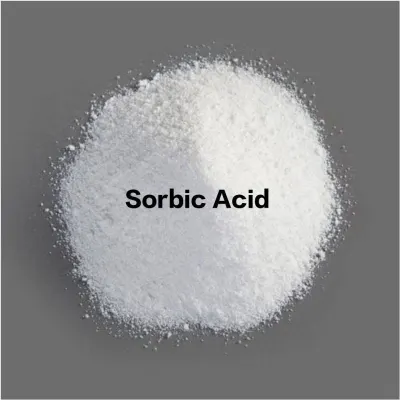
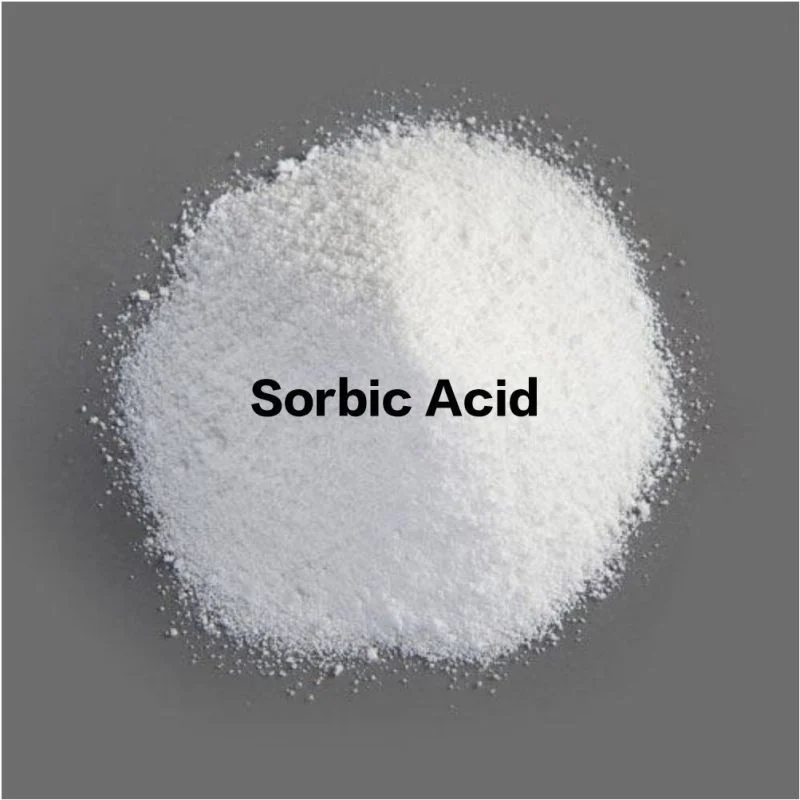
Lianyungang Mupro Fi Plant's product range includes food chemicals like Sorbic acid and its derivatives, which are commonly used as preservatives in food products. The typical grades of Sorbic acid include ICUMSA 45 and food-grade Sorbic acid, with standard specifications covering purity, moisture content, and microbiological parameters. Buyers of these products should request specifications, samples, and test reports to verify the quality and purity of the products.
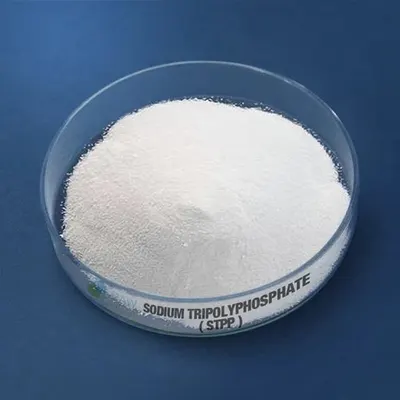
The company's catalogue also includes Sodium acid pyrophosphate, which is commonly used as a food additive and preservative. The typical specifications for this product include purity percentage, moisture content, and pH value. Exporters of Sodium acid pyrophosphate typically require certifications like ISO 9001 and FSSC 22000 to ensure compliance with food safety regulations.
Trade and Export Information - Lianyungang Mupro Fi Plant
Exporters of food chemicals like Lianyungang Mupro Fi Plant typically export their products to regions with large food manufacturing industries, such as North America, Europe, and Southeast Asia. The HS code families involved in the trade of these products include 2915, 2920, and 2930, which cover various types of organic acids and their derivatives. Buyers of these products should be aware of the relevant regulatory and logistics norms, including packaging, labeling, and Incoterms.
The origin country of Lianyungang Mupro Fi Plant, China, has a significant export industry for food chemicals, with many suppliers exporting their products to countries around the world. Buyers should request certifications like ISO 9001 and FSSC 22000 to ensure compliance with food safety regulations, and verify the supplier's compliance with relevant regulations and standards.
Sourcing from Lianyungang Mupro Fi Plant - Buyer Guidance
Buyers sourcing from Lianyungang Mupro Fi Plant should request specifications, samples, and test reports to verify the quality and purity of the products. They should also verify the supplier's compliance with relevant regulations and standards, including ISO 9001 and FSSC 22000. Additionally, buyers should be aware of the typical quality parameters and tests for the products, such as moisture content, purity percentage, and microbiological parameters.
Buyers should also request documents like certificates of analysis, certificates of origin, and commercial invoices to ensure compliance with customs and regulatory requirements. They should verify the packaging and labeling of the products to ensure compliance with relevant regulations and standards, and confirm the Incoterms and logistics arrangements to ensure smooth delivery of the products.
Frequently Asked Questions About Lianyungang Mupro Fi Plant
What products does Lianyungang Mupro Fi Plant supply?
Lianyungang Mupro Fi Plant supplies a range of food chemicals, including Calcium proionate, Sodium acid pyrophosphate, Potassium sorbate, Sorbic acid, Sodium diacetate, and Calcium propionate. These products are commonly used in the food industry as preservatives and additives.
What are the typical specifications for Sorbic acid?
The typical specifications for Sorbic acid include ICUMSA 45 and food-grade Sorbic acid, with standard specifications covering purity, moisture content, and microbiological parameters. Buyers should request specifications, samples, and test reports to verify the quality and purity of the products.
What certifications should buyers request from Lianyungang Mupro Fi Plant?
Buyers should request certifications like ISO 9001 and FSSC 22000 to ensure compliance with food safety regulations. They should also verify the supplier's compliance with relevant regulations and standards.
What is the typical packaging for food chemicals like Sodium acid pyrophosphate?
The typical packaging for food chemicals like Sodium acid pyrophosphate includes 25kg bags or 1000kg bulk containers, with labeling and packaging compliant with relevant regulations and standards. Buyers should verify the packaging and labeling of the products to ensure compliance with relevant regulations and standards.
What are the Incoterms and logistics arrangements for Lianyungang Mupro Fi Plant?
The Incoterms and logistics arrangements for Lianyungang Mupro Fi Plant typically include FOB, CIF, and DAP, with delivery terms like 20ft or 40ft containers. Buyers should confirm the Incoterms and logistics arrangements to ensure smooth delivery of the products.
What is the minimum order quantity (MOQ) for Lianyungang Mupro Fi Plant?
The MOQ for Lianyungang Mupro Fi Plant varies depending on the product and packaging, but typically ranges from 100kg to 1000kg. Buyers should confirm the MOQ and lead time with the supplier to ensure smooth delivery of the products.
What are the typical quality parameters and tests for food chemicals like Potassium sorbate?
The typical quality parameters and tests for food chemicals like Potassium sorbate include purity percentage, moisture content, and microbiological parameters. Buyers should request specifications, samples, and test reports to verify the quality and purity of the products.




 , China