Legume Exports Private Limited — Verified Supplier
About Legume Exports Private Limited - Fresh Vegetables Supplier in India
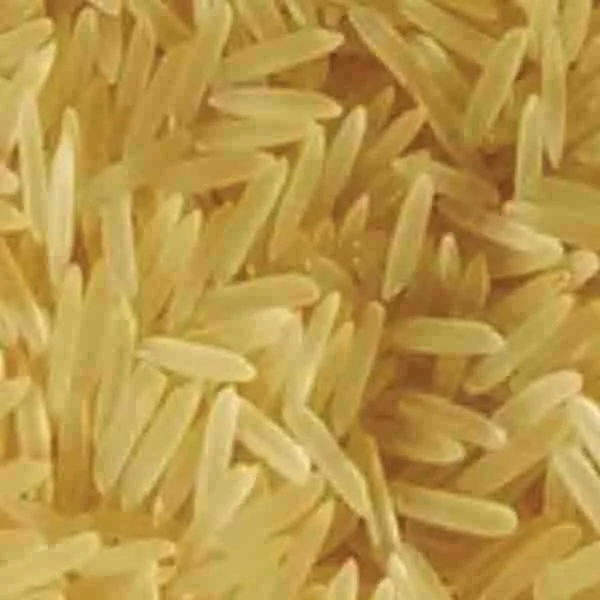
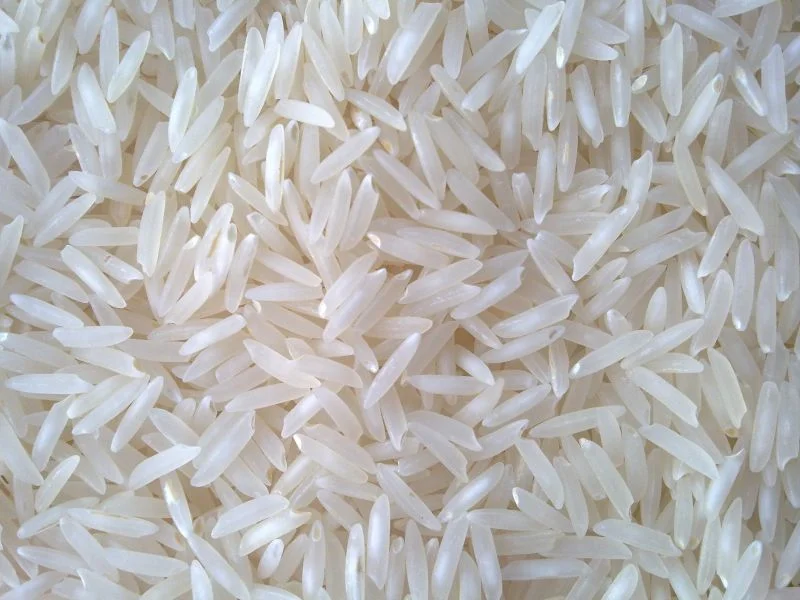
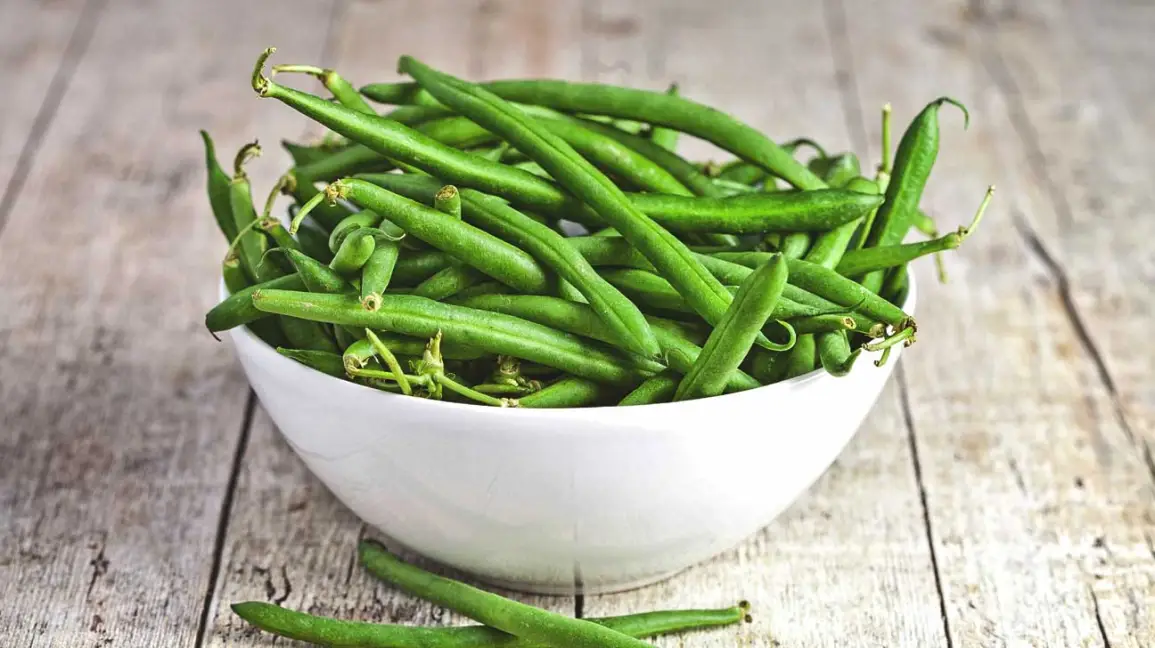
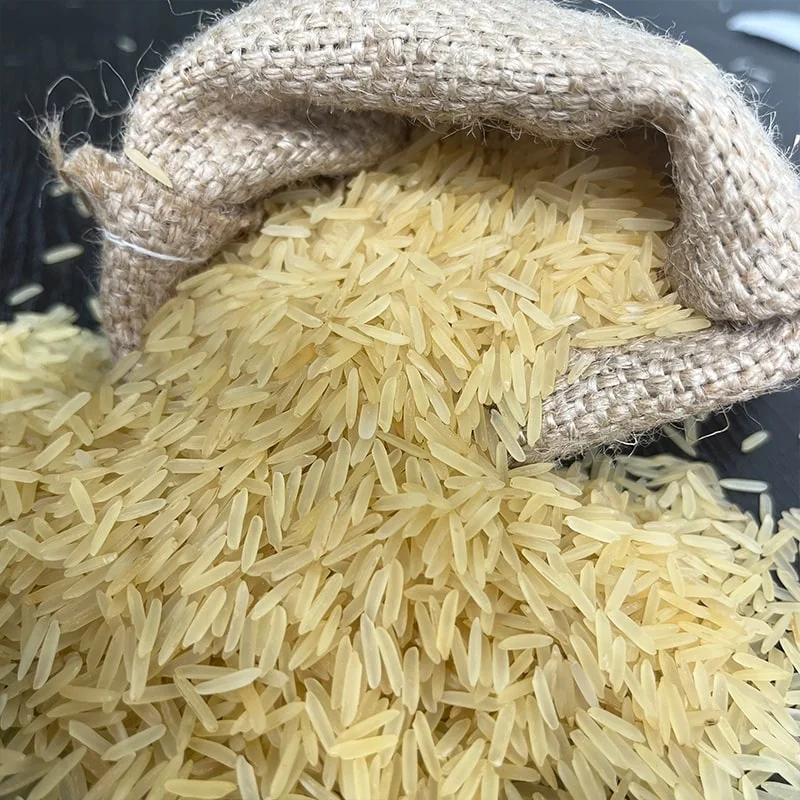
India hosts Legume Exports Private Limited, a supplier that currently lists 55 active products across fresh vegetables, bananas, and rice varieties. The catalogue includes items such as Lady Finger (okra), Bitter Gourd, Green Chilli G4, Brinjal Small, White Cabbage, French Beans (HS 0708.20), Cluster Beans (HS 0708.90), and several banana forms with HS codes 0803.90 and 080390, as well as Basmati Sella Rice (HS 10063010) and IR 64 Long Grain Rice (HS 10063090). Each entry specifies the material, for example fresh green vegetable pods for French Beans or long‑grain parboiled rice for the Basmati Sella line. The supplier’s product list therefore spans multiple HS‑code families in chapters 07 (fresh vegetables), 08 (fresh fruit) and 10 (cereals).
The listed products are presented by their common trade names without any stated certifications or quality grades. The catalogue covers both raw horticultural produce (e.g., fresh cucumber, drumsticks, curry leaves) and processed staple grains, providing a snapshot of the variety that Indian exporters typically make available to overseas wholesale markets. No additional corporate history, employee numbers or revenue figures are supplied in the source data.
Product Range and Specialties of Legume Exports Private Limited
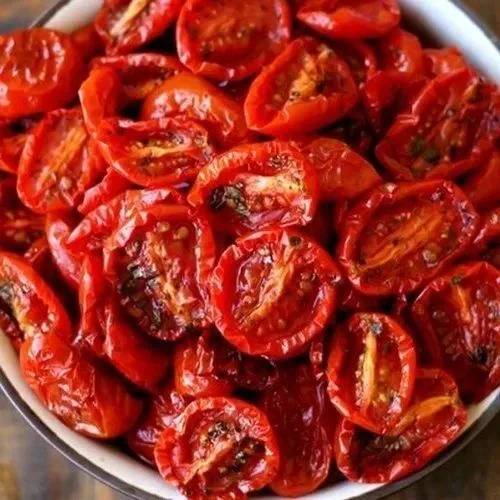
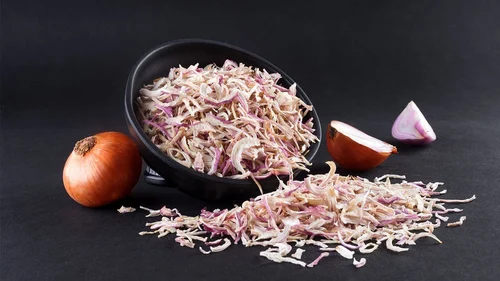
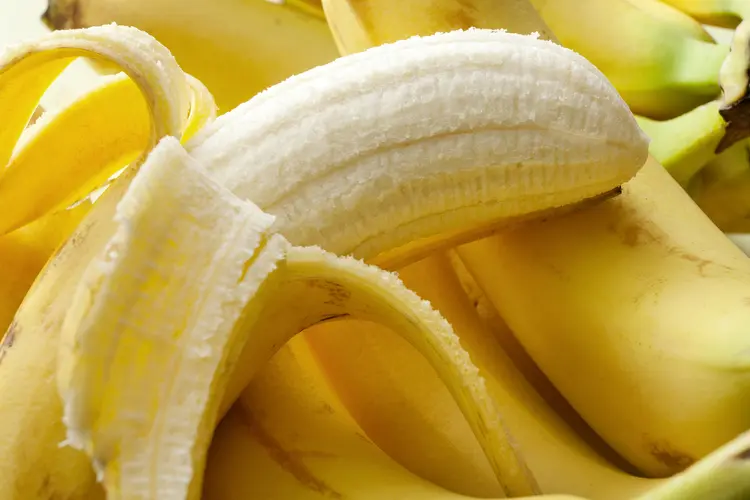
Legume Exports Private Limited’s catalogue contains a broad set of horticultural items: okra, bitter gourd, green chilli, small brinjal, white cabbage, cluster beans, ridge gourd, bottle gourd, small cucumber, French beans, banana flower, capsicum, drumsticks, red tomato, tindora, eggplant, small onion, green papaya, banana leaves, curry leaves, coriander leaves, fresh coconut, and three banana size categories. In the fresh‑vegetable segment, Indian exporters normally ship produce that meets market‑standard size grades (e.g., small/medium/large) and moisture limits of 85‑90 % for leafy items, with visual inspection for defects. Banana shipments are typically classified by size and cultivar; the listed yellow Cavendish and red bananas fall under the HS 0803.90 series, which requires a phytosanitary certificate and compliance with residual pesticide limits set by the importing country. The rice line includes parboiled Basmati Sella (HS 10063010) and non‑Basmati IR 64 (HS 10063090); buyers usually request a moisture content below 14 % and a minimum broken grain percentage of 2 % for export‑grade basmati.
Trade and Export Information - Legume Exports Private Limited
India is a major exporter of fresh horticultural produce and basmati rice, supplying South‑East Asia, the Middle East, Europe and North America. Fresh vegetables under HS 07 are generally shipped in refrigerated containers (reefers) with temperature control between 0 °C and 4 °C, while bananas (HS 0803) travel in ventilated boxes with ethylene‑absorbing pads to extend shelf life. Basmati rice (HS 10) is exported in 20‑ft or 40‑ft containers, often in jute or polypropylene bags of 20 kg each, and requires a certificate of origin for preferential duty rates under trade agreements such as the India‑EU GSP. Common buyer‑required certifications include GlobalGAP for produce, FSSAI export licence for Indian food items, and phytosanitary certificates issued by the Indian Plant Quarantine authority. Importing regions typically request lab analysis for pesticide residues (e.g., maximum residue limits aligned with EU or US standards) and moisture or purity tests for rice shipments.
Sourcing from Legume Exports Private Limited - Buyer Guidance
When sourcing from Legume Exports Private Limited, buyers should request a current phytosanitary certificate for all fresh produce and a laboratory analysis report confirming compliance with pesticide residue limits for the target market. For rice products, ask for a moisture test report, broken grain analysis, and a certificate of analysis confirming the Basmati varietal identity (e.g., 1121). Verify that the HS codes on the commercial invoice match the product descriptions to avoid customs delays. Requesting a sample batch and a third‑party inspection report (e.g., SGS, Intertek) before finalizing a larger order helps confirm that the size grades, colour, and firmness meet the buyer’s specifications.
Frequently Asked Questions About Legume Exports Private Limited
What HS codes are used for the fresh vegetables listed by Legume Exports?
The fresh vegetables fall under HS chapter 07; specific codes include 0708.20 for French Beans and 0708.90 for Cluster Beans, while other items are classified under generic 07‑xx headings for fresh cucurbits and leafy vegetables.
Which certifications should I request for the banana products?
Buyers typically ask for a phytosanitary certificate, a GlobalGAP compliance statement, and a pesticide residue analysis that meets the importing country’s maximum residue limits.
How is Basmati Sella rice packaged for export?
Export‑grade Basmati Sella rice is usually packed in 20 kg polypropylene bags, stacked in 20‑ft or 40‑ft containers, with a moisture content not exceeding 14 % and a broken grain rate below 2 %.
What documentation is required for the IR 64 rice shipment?
A certificate of analysis confirming the IR 64 variety, a moisture test report, a phytosanitary certificate, and a certificate of origin for preferential duty treatment are standard.
What are typical lead times for fresh produce shipments from India?
Fresh produce such as okra, cucumber or onions generally requires 7‑10 days from harvest to vessel loading, plus 2‑3 days for customs clearance and documentation preparation.
What packaging is used for banana leaves and curry leaves?
Banana leaves and curry leaves are usually packed in breathable cardboard boxes or mesh bags, with a moisture retention level of 80‑85 % to preserve freshness during transit.
Are there minimum order quantities (MOQ) for the rice products?
Exporters often set an MOQ of one 20‑ft container (approximately 20‑25 metric tonnes) for Basmati Sella rice, while non‑Basmati varieties may be shipped in smaller volumes upon agreement.
How can I verify the quality of the fresh vegetables before ordering?
Request a recent lab test for pesticide residues, a visual inspection report with size grading, and, if possible, a third‑party pre‑shipment audit to confirm compliance with GlobalGAP or equivalent standards.




 , India