Kupata Investment Pty Limited — Verified Supplier
About Kupata Investment Pty Limited - Beans Supplier in South Africa
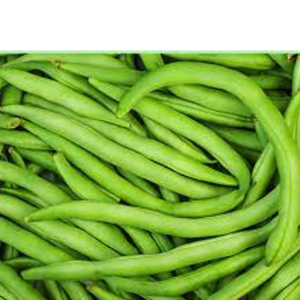
South Africa is the origin of Kupata Investment Pty Limited, which lists seven active products across beans, rice, maize, peanuts, coffee and cocoa beans. The catalogue includes Pure Quality Rice, Sugar Beans (HS 0713.39), Combat Beans (HS 0713.39), Maize, Pure Raw And Dried Peanuts, Coffee and Cocoa Beans. Both bean entries are classified under HS chapter 07 for dried leguminous vegetables, indicating standard customs coding for dried beans. The product mix reflects common agricultural exports from South Africa, covering staple grains and high‑value cash crops. The supplier is assigned a harbor trust tier, indicating a certain level of verification in the platform.
Rice is listed without a specific HS code, but South African rice exports typically fall under HS 1006 for milled rice. Maize, also without an HS code in the catalogue, usually aligns with HS 1005 for cereals and is shipped in bulk or bag formats. The peanuts entry refers to raw and dried peanuts, a product commonly coded as HS 1202 and subject to aflatoxin testing for many import markets. Coffee and cocoa beans correspond to HS 0901 and 1801 respectively, and are often sourced for specialty beverage and confectionery industries. The seven‑product portfolio provides buyers with a concise but diverse selection of South African agricultural commodities suitable for food processing, retail and ingredient blending.
Product Range and Specialties of Kupata Investment Pty Limited
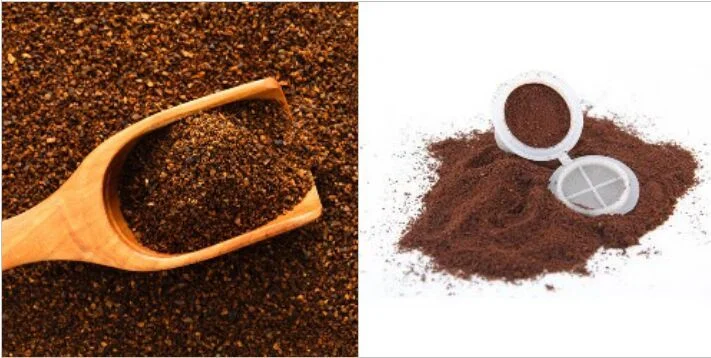
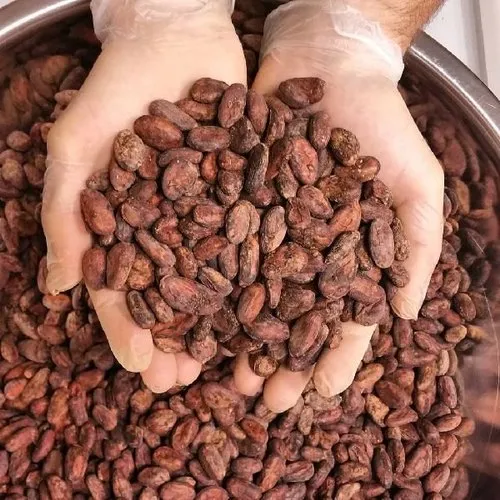
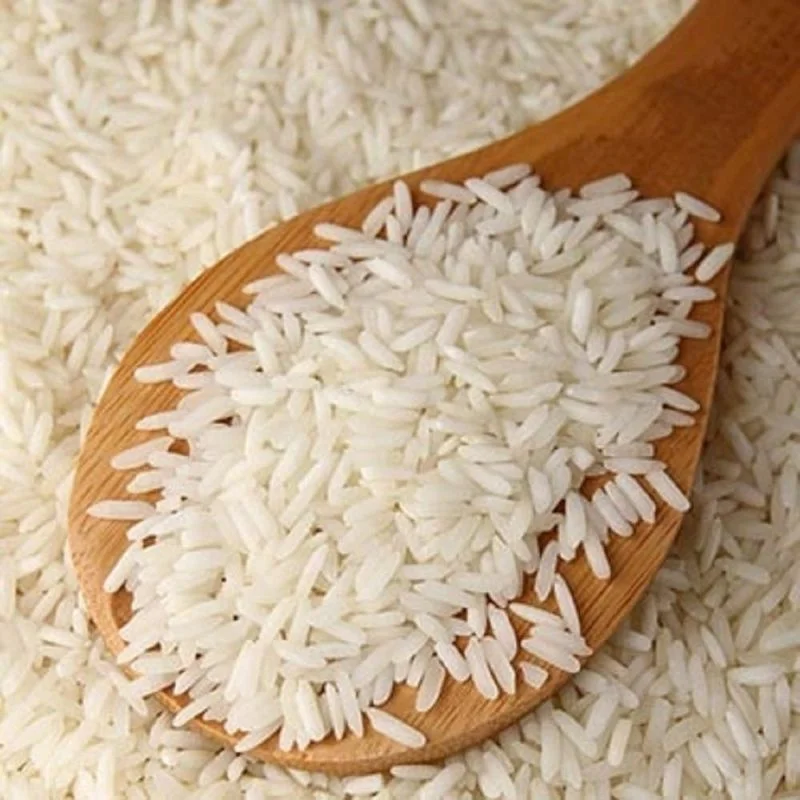
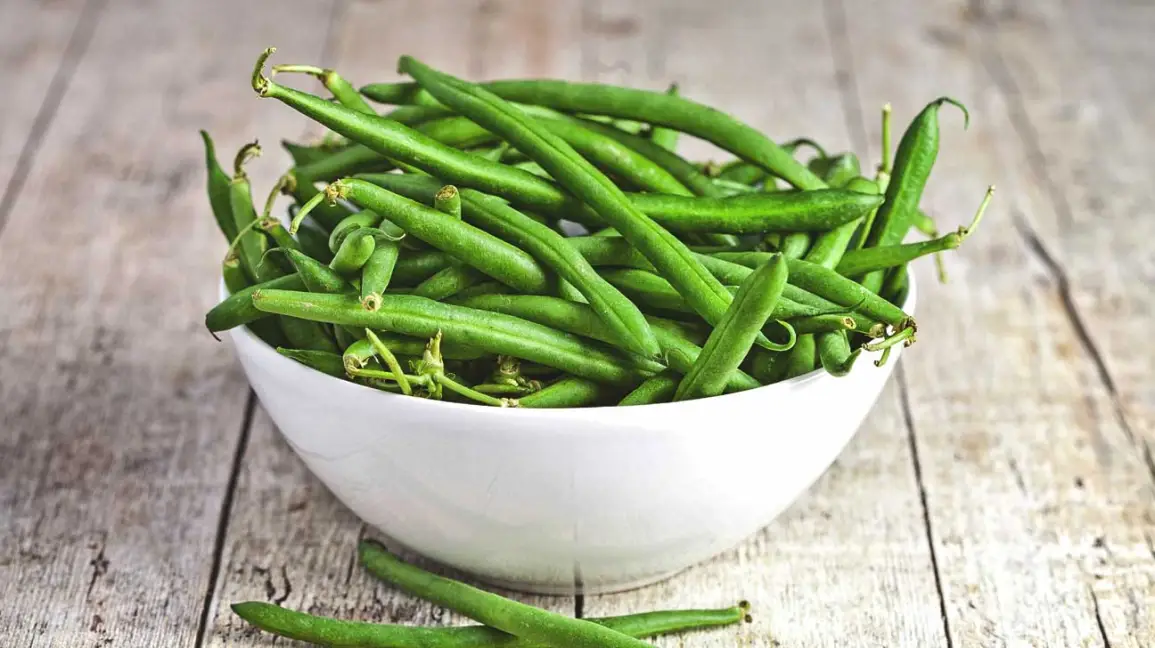
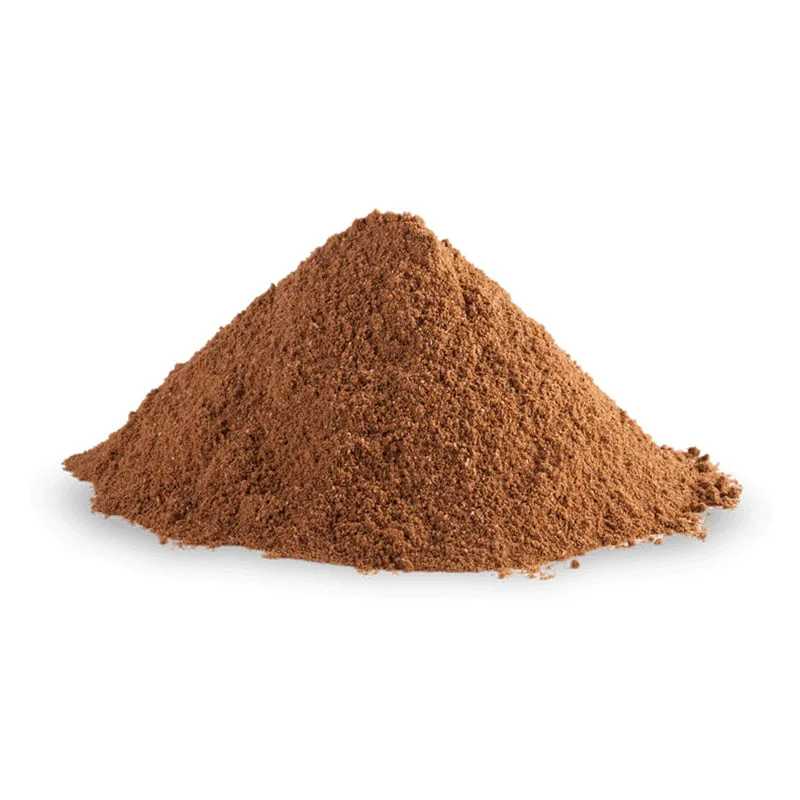
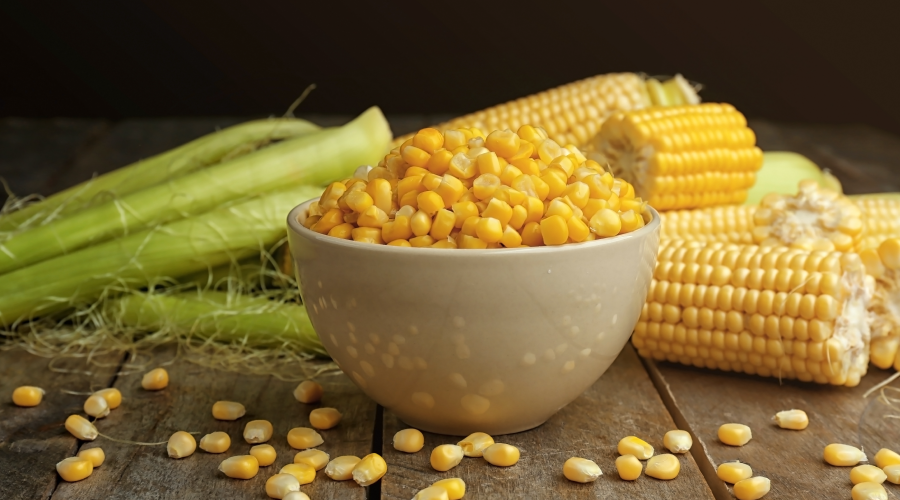
The listed products cover major South African crops. Pure Quality Rice is typically milled long‑grain rice with moisture ≤12 % and broken grain ≤5 %, often packed in 25 kg bags. Sugar Beans and Combat Beans are dried Phaseolus vulgaris varieties, generally sized 5‑10 mm, moisture ≤12 % and free from mold, and are usually shipped in 25 kg polypropylene bags. Maize is commonly yellow dent corn with moisture ≤14 % and low mycotoxin levels, packed in 50 kg bulk bags. Pure Raw And Dried Peanuts are raw or roasted kernels with moisture ≤6 % and aflatoxin limits of 10 ppb, also bagged in 25 kg units. Coffee may be Arabica or Robusta, graded by cup score, moisture ≤12 % and screened for bean size, typically packed in 60 kg jute bags. Cocoa Beans are fermented and dried to moisture ≤7 %, fat content 53‑57 %, and shipped in 25 kg bags. Buyers can expect these specifications as industry standards for each commodity.
South African exporters of these crops often adhere to international quality grades: milled rice meeting ISO 22000, beans complying with EU maximum residue limits, maize inspected for mycotoxins, peanuts tested for aflatoxins, coffee evaluated under SCA grading, and cocoa beans meeting ICCO standards. Packaging is usually designed for 20‑ft or 40‑ft containers, with typical loads of 400‑800 bags per container depending on product density.
Trade and Export Information - Kupata Investment Pty Limited
South Africa is a notable exporter of beans, rice, maize, peanuts, coffee and cocoa beans to regions including the European Union, the Middle East and Asian markets such as China and India. Export shipments fall under HS code families 07 (dried beans), 1006 (rice), 1005 (maize), 1202 (peanuts), 0901 (coffee) and 1801 (cocoa beans), each subject to customs documentation and often a phytosanitary certificate. Importing countries frequently require ISO 22000 or HACCP certification, as well as laboratory test reports for moisture, pesticide residues and mycotoxins. Standard logistics involve FCL shipments on 20‑ft or 40‑ft containers, with Incoterms such as CIF or FOB commonly used. South African exporters must comply with destination‑country regulations, for example EU RASFF alerts for aflatoxin in peanuts or US FDA requirements for coffee and cocoa.
Sourcing from Kupata Investment Pty Limited - Buyer Guidance
When sourcing from this supplier, request a detailed product specification sheet that includes moisture content, size grading, and any relevant contaminant limits such as aflatoxin for peanuts or mycotoxins for maize. Ask for recent independent lab test reports and a phytosanitary certificate to verify compliance with the buyer’s importing country regulations. Verify that the HS code used on the commercial invoice matches the product (e.g., 0713.39 for the listed beans) and confirm packaging details such as bag weight and container loading plan before placing an order.
Frequently Asked Questions About Kupata Investment Pty Limited
What HS code is used for the beans listed by Kupata Investment Pty Limited?
Both Sugar Beans and Combat Beans are listed under HS code 0713.39, which covers dried beans and other leguminous vegetables.
What quality parameters should buyers check for the Pure Quality Rice?
Buyers should verify moisture content of 12 % or lower, broken grain percentage below 5 %, grain length and uniformity, and ensure the rice meets any pesticide residue limits of the destination market.
Are phytosanitary certificates required for the Pure Raw And Dried Peanuts?
Yes, most importing countries require a phytosanitary certificate confirming the peanuts are free from pests and meet the aflatoxin limits set by the destination’s food safety authority.
Which certifications are commonly expected for South African coffee exports?
Importers often request ISO 22000 or HACCP compliance, a cupping score sheet indicating the coffee grade, and a moisture analysis showing levels at or below 12 %.
How are the cocoa beans typically packaged for export?
Cocoa beans are usually packed in 25‑kg jute or polypropylene bags, which are then loaded into 20‑ft or 40‑ft containers depending on shipment volume.
What is the typical lead time for a shipment of maize from this supplier?
After order confirmation, production, cleaning and bagging of maize generally require 30‑45 days before the cargo can be loaded for export.
Which markets does South Africa primarily export these commodities to?
The European Union, Middle Eastern countries and major Asian markets such as China and India are the primary destinations for South African beans, rice, maize, peanuts, coffee and cocoa beans.
What documents should a buyer request before finalizing a purchase?
Buyers should request a product specification sheet, recent laboratory test reports (moisture, pesticide residues, mycotoxins), a phytosanitary certificate, and any ISO or HACCP certificates the supplier holds.




 , South Africa