Agriculture›
 Apparel and fashion accessories›
 Construction & real estate›💡Electronic & Electrical›🍎Food & Beverages›🛋️Home furnishing & supplies›⚗️Industrial goods & chemical›🪨Minerals & metals›📦Miscellaneous›Agriculture›Apparel and fashion accessories›Construction & real estate›💡Electronic & Electrical›🍎Food & Beverages›🛋️Home furnishing & supplies›⚗️Industrial goods & chemical›🪨Minerals & metals›📦Miscellaneous›
King 9 Technology Company Limited
⚓ Harbor , ChinaNew supplier / no reviews yet
King 9 Technology Company Limited Product Catalog

About King 9 Technology Company Limited - Agriculture Supplier in China
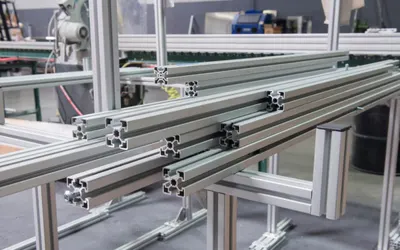
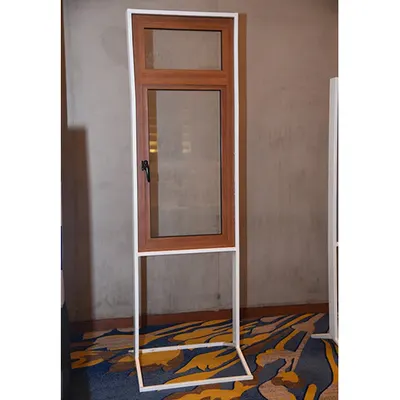
China‑based King 9 Technology Company Limited lists six distinct products under its catalogue. The active product count is six and the company is classified in the Agriculture top‑category, although the items are metal components used in various industrial applications. The catalogue includes the items named King 9, learn tube and coated pipe, Aluminum Profile Bt4080, Modules alumimum profile, BT3030R and aluminum profile BT4590. Each product is recorded without additional specifications such as dimensions, material grades or HS codes, which are typical for metal profile listings.
The supplier’s trust tier is recorded as “harbor”, indicating a mid‑level verification status on the platform. No further corporate details such as founding year, employee count or revenue are provided. The product names suggest a focus on extruded aluminium sections and coated tubing, which are common inputs for construction, automotive and equipment manufacturing. All six items are the only currently active listings for this supplier.
Product Range and Specialties of King 9 Technology Company Limited
The catalogue comprises aluminium profiles and coated tubes, product types that fall under HS Chapter 76 which covers aluminium articles. In the industry, aluminium extrusions are commonly supplied in standard grades such as 6063‑T5 for architectural applications or 6061‑T6 for structural uses, with typical tolerances on length, cross‑section and surface finish. Coated pipes may be hot‑dip zinc‑coated (galvanised) or powder‑coated, and buyers often request specifications like wall thickness (e.g., 2 mm) and outer diameter (e.g., 40 mm). Typical aluminium profile families include standard sections (U‑channel, L‑channel) and custom modular profiles, which are shipped in bundles or on pallets for easy handling.
Given the supplier lists “Aluminum Profile Bt4080”, “BT3030R” and “BT4590”, these identifiers resemble internal design numbers rather than industry standards. Buyers usually verify the alloy designation, temper condition and mechanical properties (e.g., tensile strength ≈ 310 MPa for 6063‑T5). For coated tubes, the coating weight (e.g., 30 g/m²) and corrosion resistance class are key quality parameters.
Frequently Asked Questions About King 9 Technology Company Limited
What HS code should I expect for the aluminium profiles listed by King 9 Technology?
Aluminium extrusions and profiles are generally classified under HS Chapter 76, most commonly HS‑6 7610‑99 (aluminium structures) or HS‑6 7615‑99 (aluminium tubes and pipes). The exact code depends on the final product shape and whether it is a finished item.
Which certifications are typically required for imported aluminium profiles from China?
Importers often require a Certificate of Origin, an ISO 9001 quality‑management certificate, and compliance statements for REACH and RoHS. A third‑party inspection report (e.g., SGS) is also frequently requested.
How can I verify the material grade of the “Aluminum Profile Bt4080”?
Ask the supplier for the alloy designation (e.g., 6063) and temper (e.g., T5). Request a mill test report that includes chemical composition and mechanical properties such as tensile strength and elongation.
What is the typical packaging for coated pipes and aluminium profiles?
Standard practice is to wrap each profile in protective film, bundle them on wooden pallets, and secure the pallets with stretch film. For container shipments, pallets are stacked to maximise space while preventing deformation.
What are common payment and Incoterm practices for these products?
Buyers usually negotiate FOB or CIF terms. Payment methods often include a T/T advance payment followed by a documentary letter of credit (L/C) once the bill of lading is issued.
ChinaRelated Suppliers & Products
Explore similar suppliers, related products and trending categories