Karen — Verified Supplier
About Karen - Cosmetics & Beauty Parlour Equipments Supplier in China
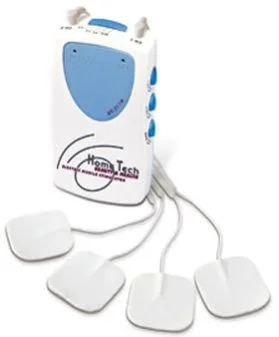
China hosts 60 active product listings from Karen, covering a blend of cosmetics‑related equipment, medical‑grade lasers, EMS muscle stimulators and basic cleaning accessories. The catalogue includes items such as Sponge Scrub Pot Kitchen Cleaning Supplies, Food Grade Silicone Pan Edge Drain Baffle, CO₂ Vaginal Tightening Laser (HS 9018.90) and multiple EMS Sculpting Machines (HS 8543.70 and HS 9019.*) built from ABS plastic, stainless‑steel or medical‑grade silicone components. Each entry is assigned to HS‑code families 9018.90 for laser and electro‑therapy devices, 8543.70 for electronic machinery, and 9019.* for electro‑therapy equipment, reflecting the regulatory grouping used by customs authorities. The product mix spans both consumer‑oriented beauty tools and professional‑grade medical devices, all sourced from manufacturing hubs within China.
The listed products demonstrate typical material choices for the sector: ABS or PC housings for electronic control, stainless‑steel or aluminum alloy frames for durability, copper windings for electromagnetic coils, and FDA‑grade silicone pads for patient contact. Laser devices feature CO₂ or RF technology with stainless‑steel or aluminum alloy housings, while EMS units specify magnetic field strengths ranging from 7 to 13 Tesla. Cleaning supplies such as sponge pots and silicone drain baffles are made from food‑grade silicone that tolerates temperatures up to 230 °C. This factual spread illustrates Karen’s focus on equipment that requires both mechanical robustness and compliance with medical‑device standards.
Product Range and Specialties of Karen
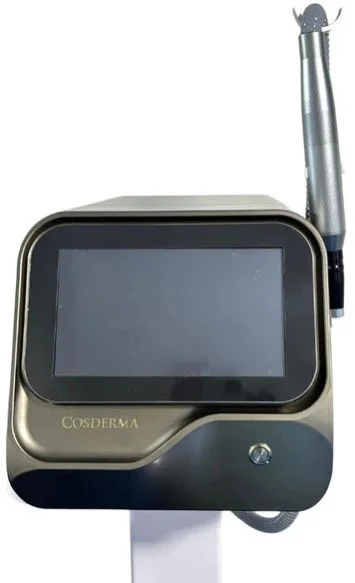
Karen’s catalogue lists concrete product types: kitchen cleaning sponges, silicone pan‑edge drain baffles, CO₂ and RF vaginal tightening lasers, fractional resurfacing lasers, and a suite of EMS‑based body‑sculpting machines for pelvic‑floor, fat‑burning and muscle‑building applications. In the medical‑device market, laser apparatus under HS 9018.90 are typically classified as Class II devices and must meet IEC 60601‑2‑22 safety standards, while EMS stimulators under HS 8543.70 and HS 9019.* usually require IEC 60601‑1 electrical safety compliance and electromagnetic compatibility (EMC) testing. Buyers commonly request CE marking, ISO 13485 quality‑management certification, and, for export to the United States, FDA 510(k) clearance. EMS units are often specified by output frequency (1 - 120 Hz), pulse width (100‑500 µs) and magnetic field strength (7‑13 Tesla), with copper coil construction and silicone electrode pads to ensure patient comfort. Food‑grade silicone kitchen accessories are generally graded to FDA 21 CFR 177.1520, with heat resistance up to 230 °C and tensile strength above 2 MPa, and are shipped in bulk cartons suitable for 20‑ft containers.
Trade and Export Information - Karen
Chinese exporters of medical lasers and EMS equipment primarily serve markets in North America, the European Union, the Middle East and Southeast Asia, where regulatory compliance such as CE, ISO 13485 and FDA registration is routinely verified at import. HS 9018.90 products are inspected for laser safety documentation and may require a laser‑type declaration, while HS 8543.70 electronic machines are subject to customs checks for RoHS and REACH compliance. Typical shipping configurations involve 20‑ft or 40‑ft containers with anti‑static inner packaging, wooden crates for delicate laser units and moisture‑proof liners for silicone kitchen items. Common Incoterms used by Chinese suppliers include FOB Shanghai and CIF Hong Kong, with buyers often arranging third‑party inspection agencies to verify CE test reports and electrical safety certificates before cargo release.
Buyers importing these categories should anticipate pre‑shipment inspections that confirm conformity to IEC 60601‑1 (electrical safety), IEC 60825‑1 (laser safety) and applicable EMC standards. Documentation packages normally include a CE Declaration of Conformity, ISO 13485 certificate, test reports for laser output power (W) and EMS field strength (Tesla), and material safety data sheets for silicone components. For bulk kitchen accessories, a food‑contact certification and a laboratory analysis of silicone purity (≥ 99 % SiO₂) are standard expectations.
Sourcing from Karen - Buyer Guidance
When sourcing from Karen, request detailed product data sheets that list material composition, power ratings, frequency ranges and safety certifications for each laser or EMS device. Verify that CE or FDA test reports are current and that the supplier can provide ISO 13485 audit summaries for medical‑grade items. For silicone kitchen products, ask for FDA food‑contact approval documentation and temperature‑resistance test results, as well as packaging dimensions (e.g., 1 × 0.5 × 0.5 m cartons weighing 12 kg each) to plan container loading. Samples of EMS electrodes and laser handpieces should be evaluated for ergonomic design, electrode conductivity and laser beam uniformity before placing a bulk order. Confirm warranty terms, after‑sales technical support and the availability of spare parts, especially for electronic control boards and copper coils.
Frequently Asked Questions About Karen
What HS codes are used for Karen’s laser and EMS products?
Laser and electro‑therapy devices are listed under HS 9018.90, EMS machines and related electronic equipment under HS 8543.70, and electro‑therapy units such as pelvic‑floor stimulators under HS 9019.10‑20.
Which material standards apply to the silicone kitchen accessories?
The Food Grade Silicone Pan Edge Drain Baffle complies with FDA 21 CFR 177.1520, offering temperature resistance up to 230 °C and a tensile strength above 2 MPa, typical for food‑contact silicone products.
What certifications should a buyer request for the CO₂ vaginal tightening laser?
Buyers should request a CE Declaration of Conformity, IEC 60825‑1 laser safety test report, ISO 13485 quality‑management certificate and, for U.S. imports, FDA 510(k) clearance.
How are EMS sculpting machines typically packaged for export?
EMS units are usually packed in anti‑static cardboard boxes, placed in wooden crates with cushioning, and loaded into 20‑ft containers; each unit commonly weighs 12‑15 kg and measures about 1 × 0.5 × 0.5 m.
What performance specifications are common for the 7‑13 Tesla EMS devices?
Typical specifications include magnetic field strength of 7‑13 Tesla, pulse frequency 1‑120 Hz, pulse width 100‑500 µs, and copper coil windings designed for a maximum power draw of 150 W.
Which regulatory documents are needed for importing the EMS pelvic floor muscle machines?
Importers should obtain CE Declaration of Conformity, IEC 60601‑1 electrical safety test report, ISO 13485 certificate, and an EMC compliance report for the electronic control system.
Can Karen provide sample units before a full order?
Yes, sample units of both laser devices and EMS machines can be requested; buyers should specify the desired model and request accompanying test reports and certification copies with the sample.
What Incoterms does Karen usually operate under?
Typical Incoterms offered are FOB Shanghai for buyers who arrange freight themselves, and CIF Hong Kong for those preferring supplier‑handled shipping and insurance.




 , China