Agriculture›
 Apparel and fashion accessories›
 Construction & real estate›💡Electronic & Electrical›🍎Food & Beverages›🛋️Home furnishing & supplies›⚗️Industrial goods & chemical›🪨Minerals & metals›📦Miscellaneous›Agriculture›Apparel and fashion accessories›Construction & real estate›💡Electronic & Electrical›🍎Food & Beverages›🛋️Home furnishing & supplies›⚗️Industrial goods & chemical›🪨Minerals & metals›📦Miscellaneous›
Kamal Industries Product Catalog




About Kamal Industries - Hygiene Products Supplier in India
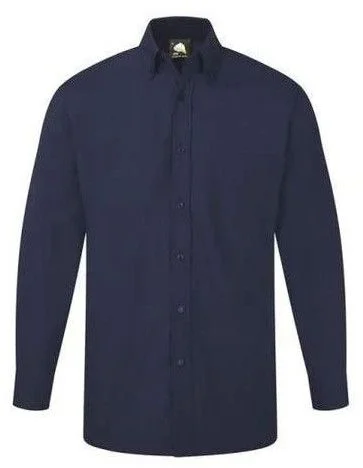
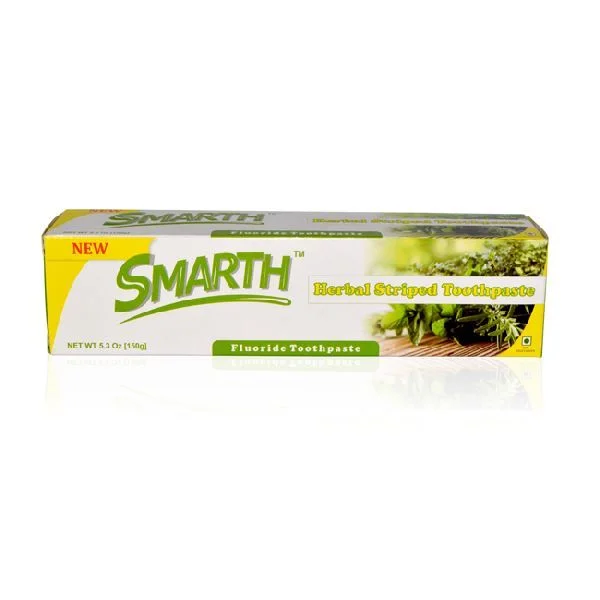
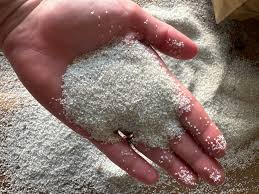
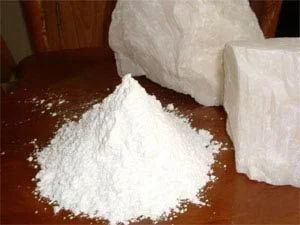
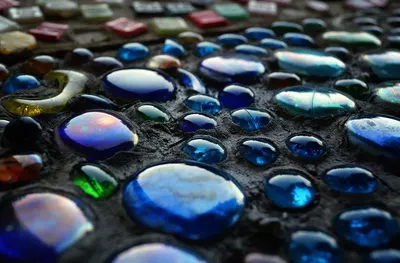
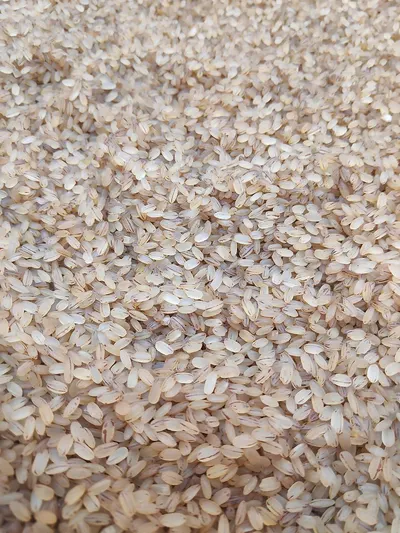
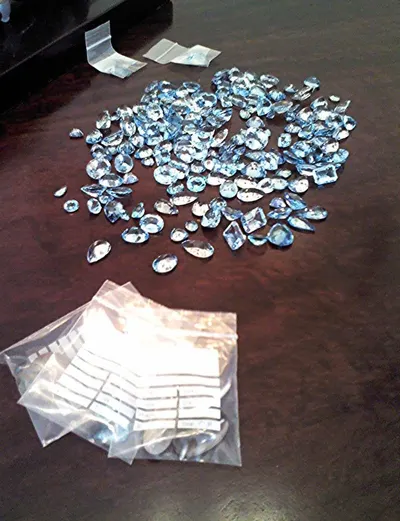
India is the source country for Kamal Industries, which currently lists eight distinct products in its online catalogue. The portfolio spans oral‑care items such as a tongue scraper and a surgical stainless‑steel tongue cleaner, apparel items including a hoodie and a soccer uniform, and mineral products like glass chips, glass pebbles, natural silica sand (HS 2505.10) and emery grain. Each product is recorded under its respective HS‑code family, with silica sand explicitly identified as silicon dioxide (SiO₂). The supplier’s catalogue therefore covers hygiene accessories, textile garments, and construction‑grade mineral aggregates.
The eight products are grouped into three broad categories: hygiene (tongue scraper, surgical stainless‑steel tongue cleaner), textiles (hoodie, soccer uniform) and mineral aggregates (glass chips, glass pebbles, silica sand, emery grain). Silica sand is listed with HS code 2505.10, indicating the standard customs classification for natural silica. No additional HS codes are supplied for the other items, but they fall under typical chapters for plastics, textiles and abrasive minerals.
Product Range and Specialties of Kamal Industries
The catalogue includes a stainless‑steel tongue scraper and a surgical‑grade stainless‑steel tongue cleaner, both of which are commonly supplied in 304 or 316 grades and finished to a surface roughness of Ra ≤ 0.8 µm. In the textile segment, the hoodie and soccer uniform are generally produced from cotton‑polyester blends ranging from 260 to 340 g/m², with standard sizing based on ISO 15538. The mineral segment lists glass chips and glass pebbles that are typically sized between 2 mm and 10 mm for abrasive or decorative use, while emery grain is an aluminum‑oxide abrasive with hardness around 8 Mohs and particle sizes from 0.1 mm to 1 mm. Natural silica sand under HS 2505.10 is usually supplied with a SiO₂ purity of 99 % or higher, moisture content below 0.5 %, and particle size distribution tailored to the end‑use (e.g., 0.1 mm - 2 mm for glass‑making).
Frequently Asked Questions About Kamal Industries
What HS code applies to the silica sand offered by Kamal Industries?
Silica sand is listed under HS code 2505.10, which covers natural silicon dioxide used for glass‑making and foundry applications.
Which material grade is typical for the surgical stainless‑steel tongue cleaner?
Buyers usually expect a grade 304 or 316 stainless steel with a surface roughness of Ra ≤ 0.8 µm and a certified mill test report.
What are the common size ranges for the glass chips and glass pebbles?
Industry practice places glass chips between 2 mm and 10 mm and glass pebbles in the 5 mm to 15 mm range, both supplied in moisture‑resistant bulk bags.
Which certifications should a buyer verify for the textile products?
Typical requirements include ISO 9001 for the manufacturing system, ISO 105 for colourfastness, and compliance with the relevant HS chapter 6109 for knitted garments.
What documentation is advisable before ordering emery grain?
Request a material safety data sheet, grain‑size distribution chart, and a hardness test result (approximately 8 Mohs) to confirm abrasive performance.
 India
Related Suppliers & Products
Explore similar suppliers, related products and trending categories