K Sheetal — Verified Supplier
About K Sheetal - Spice and Dehydrated Vegetable Supplier in India
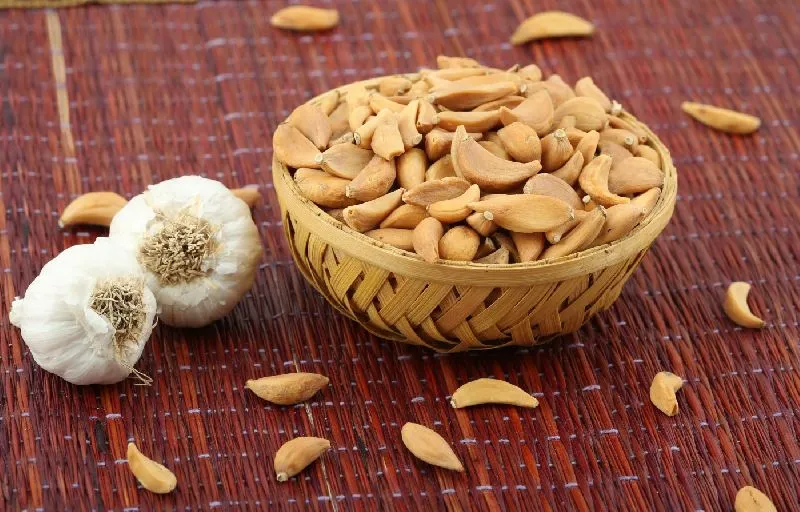
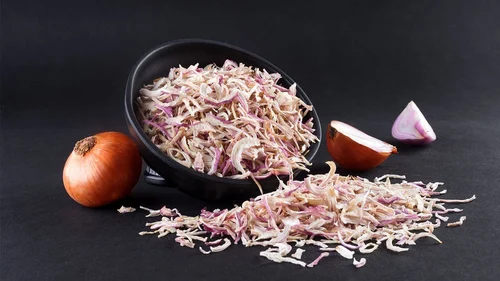
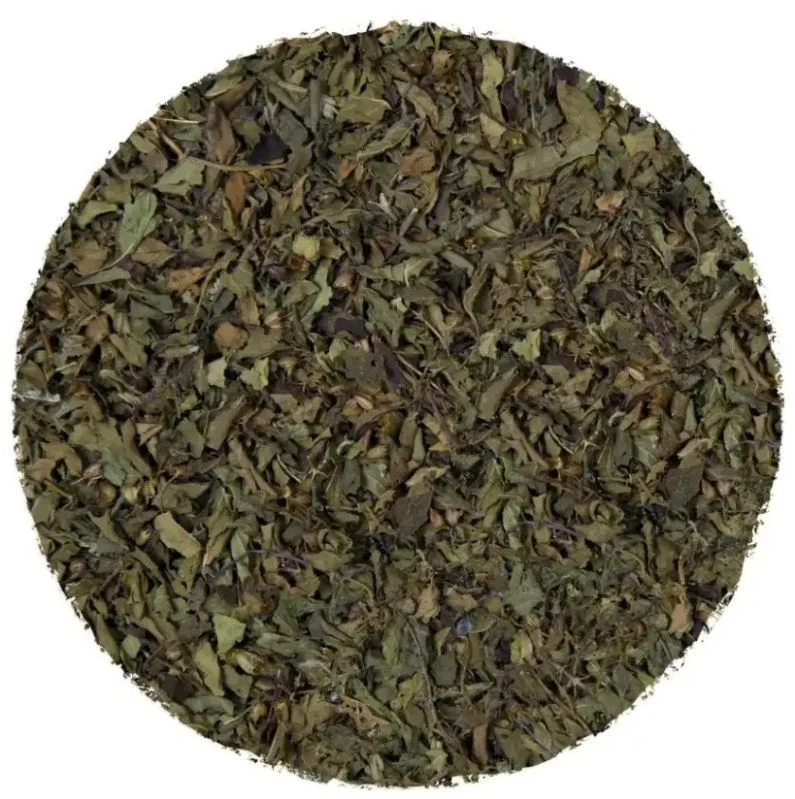
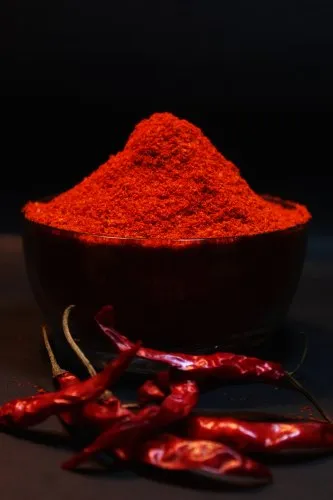
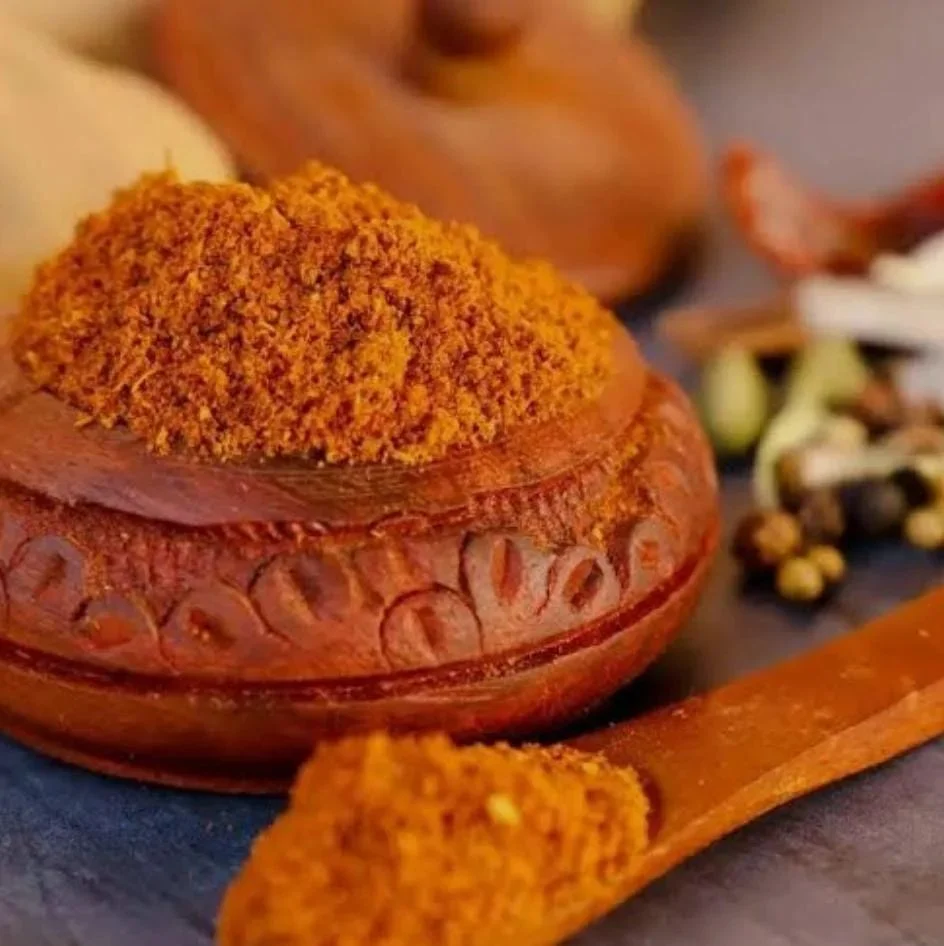
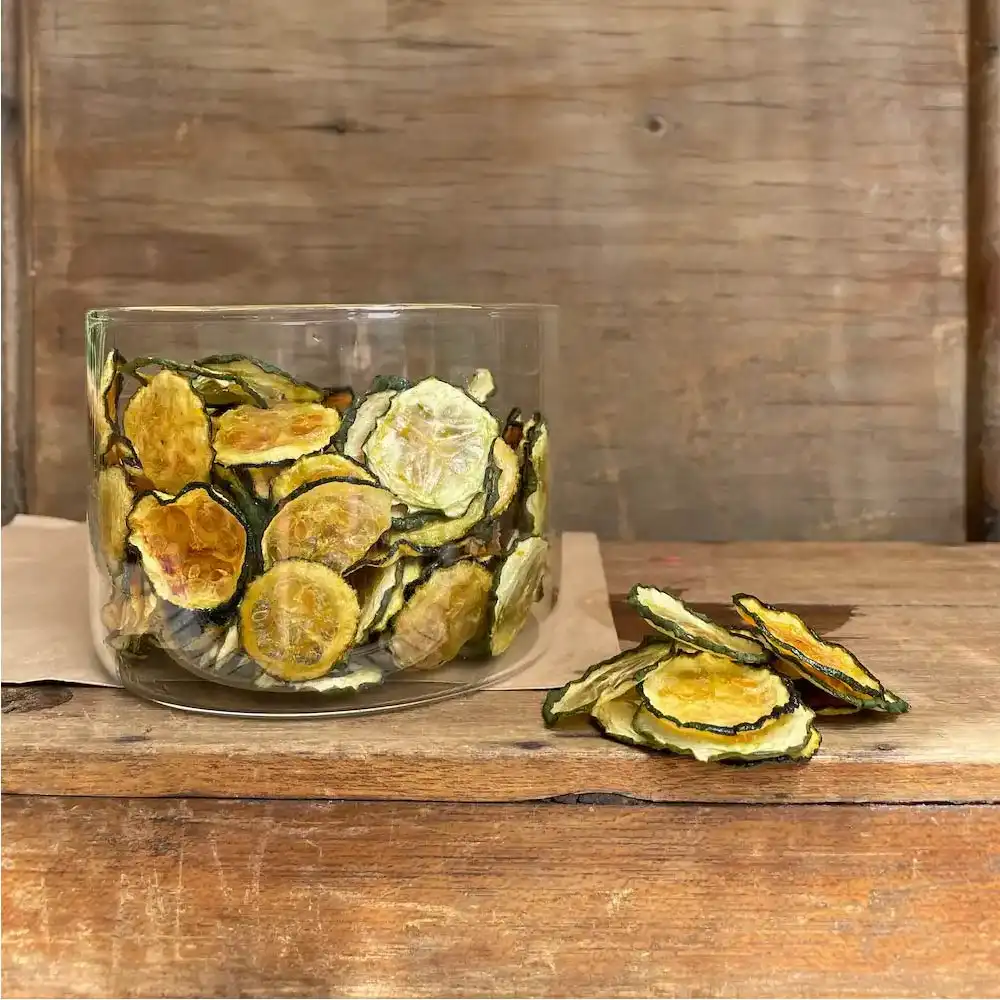
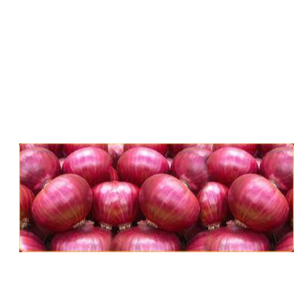
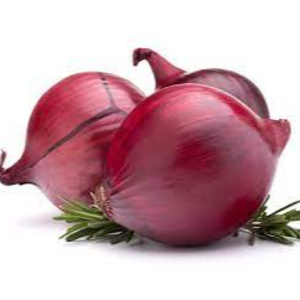
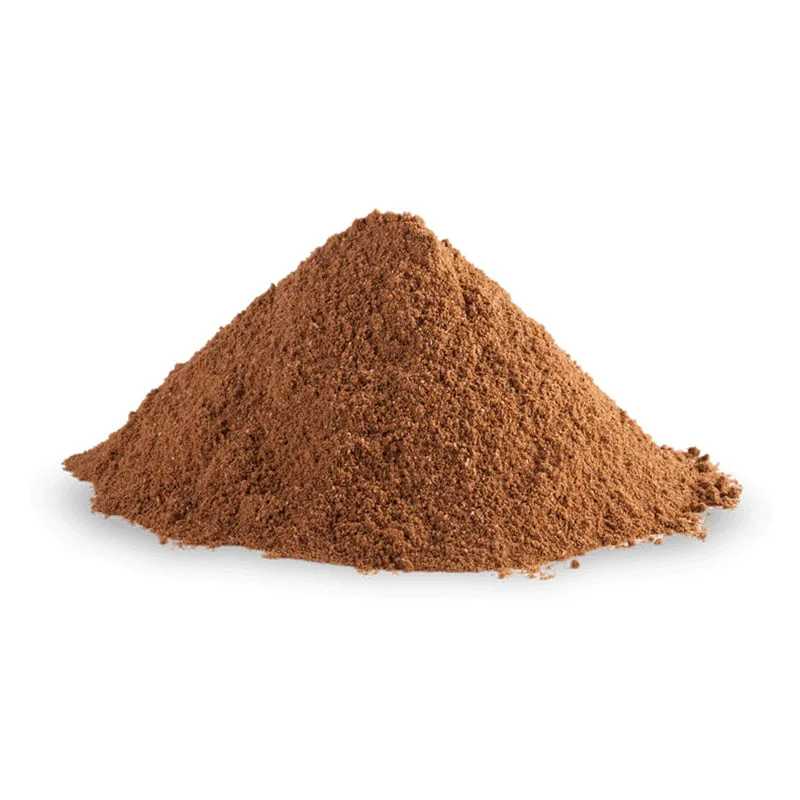
India, in the spice‑rich regions of the country, hosts K Sheetal which lists 31 active products across spices, herbs and dehydrated vegetables. The catalogue includes turmeric, dry red chilli, cumin, black pepper, coriander, bay‑leaf (HS 0904.20), cinnamon, clove, star anise, green cardamom, saffron, nutmeg, garlic, sesame, dry ginger, mustard kuriya, mustard seeds, fennel seeds and a full line of dehydrated onion and garlic formats such as kibbled, chopped, minced, granules and powder. The supplier’s top categories also reference dehydrated onion, dehydrated garlic, mustard seeds, turmeric, red chilli, cumin seeds, pepper and coriander seeds, matching the broader product list. All items are presented with their material description where provided, for example dried whole bay leaves (Laurus nobilis).
Product Range and Specialties of K Sheetal
The product list covers whole and ground spices as well as dehydrated vegetable powders. Typical industry grades for these items include turmeric with ≥95 % curcumin, moisture ≤12 %, and ash ≤7 %; red chilli capsicum varieties with Scoville ratings from 30 000‑50 000 SHU and moisture ≤12 %; cumin seeds sized 3‑5 mm, oil content 1‑2 % and moisture ≤10 %; black pepper with oleoresin content 8‑12 % and moisture ≤10 %; coriander seeds with essential oil 0.5‑1 % and moisture ≤13 %. Dehydrated onion and garlic powders are usually produced to a moisture level of 8‑10 % and particle size 200‑400 µm. Packaging commonly uses 25 kg multi‑wall paper bags, 500 kg bulk cartons or 20 ft containers for large shipments.
Trade and Export Information - K Sheetal
India ranks among the world’s top exporters of spices and dehydrated vegetables, supplying Europe, the Middle East, North America and Southeast Asia. HS chapter 09 covers the listed whole spices (e.g., bay‑leaf 0904.20) while dehydrated onions and garlic fall under chapter 07 (0705 90 for other dried vegetables). Importers typically require certifications such as ISO 22000, FSSC 22000, HACCP and pesticide‑residue analysis, with organic certification where claimed. Standard logistics involve FOB or CIF terms, with a 20 ft container holding roughly 20‑22 tonnes of bulk spice, and a 40 ft container up to 44 tonnes. Indian exporters also provide phytosanitary certificates and certificates of origin to meet customs requirements of major markets.
Sourcing from K Sheetal - Buyer Guidance
Buyers should request a product specification sheet that details moisture, ash, oil content, particle size and any microbial limits (E.coli < 10 CFU/g, Salmonella absent). A recent pesticide residue report conforming to EU Maximum Residue Limits (MRLs) and a phytosanitary certificate are standard documents for spice imports. Verify that the supplier can meet typical minimum order quantities of 500 kg per SKU and confirm lead times of 30‑45 days, allowing for seasonal harvest cycles. Samples of 500 g‑1 kg are advisable before finalizing bulk orders to assess aroma, colour and flavour consistency.
Frequently Asked Questions About K Sheetal
What HS codes apply to K Sheetal’s spice products?
Most whole spices fall under HS chapter 09, for example bay‑leaf is classified under 0904.20. Dehydrated vegetables such as dried onion and garlic are generally coded under chapter 07 (0705 90 for other dried vegetables).
Which certifications are commonly required for these categories?
Importers usually request ISO 22000, FSSC 22000 or HACCP certification, along with a recent pesticide‑residue analysis report. Organic certification is required only when the product is marketed as organic.
What are the typical packaging sizes for bulk spices?
Bulk spices are commonly packed in 25 kg multi‑wall paper bags, 500 kg cartons, or loaded directly into 20 ft containers for full‑load shipments. Smaller sample packs of 500 g to 1 kg are also offered.
What is the standard moisture limit for dehydrated onion products?
Industry standards set moisture content below 12 % for dehydrated onion, with many suppliers targeting 8‑10 % to ensure shelf stability. Moisture is verified by oven‑dry testing according to ISO 1444.
How long is the typical lead time for a 20 ft container order?
Lead times usually range from 30 to 45 days after order confirmation, depending on harvest timing and packaging preparation. Seasonal peaks may extend the window by up to two weeks.
Are product samples available for quality verification?
K Sheetal can provide small samples ranging from 500 g to 1 kg for most listed spices and dehydrated vegetables. Samples are sent on a prepaid basis and include a basic specification sheet.
What documentation is needed for customs clearance?
Customs generally require a commercial invoice, packing list, certificate of origin, phytosanitary certificate and any requested analysis reports such as pesticide or microbial tests.
Which markets import Indian spices and dehydrated vegetables most frequently?
The United Arab Emirates, United Kingdom, United States and Germany are among the largest importers of Indian spices. Dehydrated vegetable powders also see demand in food‑processing hubs in Southeast Asia and the Middle East.




 , India