Jox Co. — Verified Supplier
About Jox Co. - Phosphate Rock Supplier in Egypt
Egypt hosts Jox Co., a supplier that currently lists five active products across the fertilizer and mineral sectors. The catalogue includes Rock Phosphate, Ammonium Phosphate (DAP), Granular Urea, Prilled Urea and Quartz Powder, covering both raw mineral feedstock and processed fertilizer forms. Each product is grouped under HS code families 2510 (phosphates) and 2506 (silica compounds) where applicable, reflecting standard customs classifications for bulk mineral commodities. The supplier’s trust tier is listed as harbor, indicating a mid‑level verification status within the platform’s rating system.
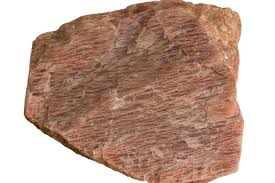
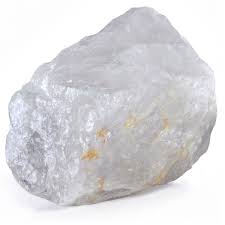
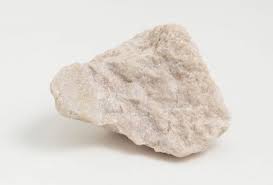
The Rock Phosphate entry specifies natural phosphate rock with a P2O5 content of 28‑35 % and is recorded under HS code 2510.20. The Quartz Powder is identified as silicon dioxide (SiO2) and filed under HS code 2506.10. The remaining items - Ammonium Phosphate (DAP), Granular Urea and Prilled Urea - are presented without HS codes in the source data but fall within the broader HS chapter 31 for fertilizers. Together, these five items represent Jox Co.’s complete active offering as of the latest catalogue.
Product Range and Specialties of Jox Co.
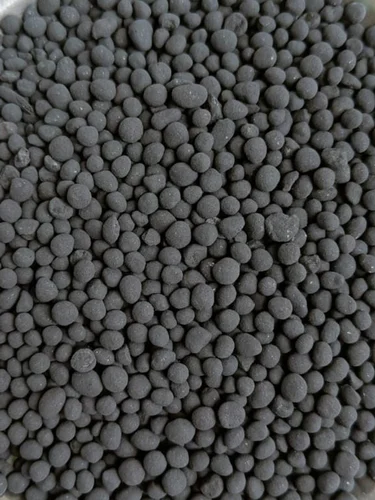
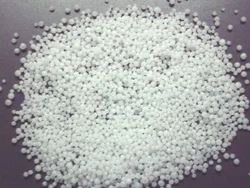
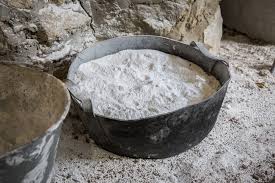
Jox Co.’s catalogue comprises natural rock phosphate (28‑35 % P2O5), ammonium phosphate (commonly marketed as DAP with typical N‑P₂O₅‑K₂O ratios of 18‑46‑0), granular urea (normally 46 % N, moisture ≤12 %) and prilled urea (46 % N, particle size 2‑4 mm). Quartz powder is supplied as SiO₂ with typical purity above 99 % for industrial applications. In the global market, rock phosphate is graded by P2O5 content, with Egyptian deposits often falling in the 28‑35 % range, while DAP is produced to meet nutrient‑balance specifications. Urea products are distinguished by granule size, nitrogen content, and moisture levels, and quartz powder is evaluated by particle‑size distribution and loss on ignition.
Trade and Export Information - Jox Co.
Egypt is a major exporter of phosphate rock and nitrogen‑based fertilizers to regions such as North Africa, the Middle East, South Asia and Sub‑Saharan Africa. HS chapter 25 (phosphates) and chapter 31 (fertilizers) are routinely inspected by customs authorities, and buyers often request laboratory certificates that confirm P2O5, nitrogen and moisture specifications. Typical export packaging includes 20‑ft or 40‑ft containers with bulk bags (1 tonne) for rock phosphate and quartz powder, and flexible intermediate bulk containers (FIBCs) for granular and prilled urea. Common Incoterms used by Egyptian fertilizer exporters are CIF and FOB, with freight handled through Alexandria or Port Said terminals.
International buyers usually require ISO 9001 quality‑management certification, SGS or Bureau Veritas inspection reports, and compliance with the EU fertilizer regulation (Regulation (EU) 2019/1009) when importing into Europe. For shipments to the United States, the EPA’s Fertilizer Registration program and the USDA’s import documentation are relevant. While Jox Co. does not list specific certifications in the supplied data, purchasers should request the standard test reports and, if necessary, third‑party verification before finalizing orders.
Sourcing from Jox Co. - Buyer Guidance
When sourcing Rock Phosphate or Quartz Powder from Jox Co., buyers should request a recent assay report showing P2O5 (for phosphate) or SiO₂ purity, along with moisture and particle‑size analysis. For DAP, a full nutrient analysis covering nitrogen, phosphorus (as P2O5) and potassium (as K2O) is standard, together with a statement of solubility and heavy‑metal limits. Urea orders should be accompanied by nitrogen content, moisture level, granule size distribution and a bulk density test. Requesting a copy of the supplier’s export inspection certificate will help confirm that the shipment meets the buyer’s destination‑country regulations.
Frequently Asked Questions About Jox Co.
What HS codes are used for Jox Co.’s Rock Phosphate and Quartz Powder?
Rock Phosphate is classified under HS code 2510.20, while Quartz Powder falls under HS code 2506.10 according to the supplier’s catalogue.
Which grade of P2O5 does Jox Co. provide in its Rock Phosphate?
The listed Rock Phosphate contains a P2O5 grade ranging from 28 % to 35 %.
What are the typical specifications for the urea products offered?
Both granular and prilled urea are specified at 46 % nitrogen (N) with moisture limits of 12 % or less; granule size for prilled urea is usually 2‑4 mm.
Is a certificate of analysis required for DAP purchases?
Buyers normally request a certificate of analysis that details nitrogen, P2O5 and K2O percentages, solubility and any heavy‑metal limits before shipment.
What packaging formats are common for these products?
Rock Phosphate and Quartz Powder are typically shipped in bulk bags (1 tonne) placed inside 20‑ft or 40‑ft containers; urea products are often packed in flexible intermediate bulk containers (FIBCs) or jumbo bags.
Which markets import Egyptian phosphate and fertilizer products?
Major import destinations include countries in North Africa, the Middle East, South Asia (India, Pakistan) and Sub‑Saharan Africa, as well as occasional shipments to Europe under the EU fertilizer regulation.
What documentation should a buyer verify before accepting a shipment?
Buyers should verify the supplier’s assay reports, any third‑party inspection certificates (e.g., SGS), the commercial invoice with HS codes, and compliance documents required by the destination country’s customs.
What Incoterms are typically used for Jox Co.’s exports?
Common Incoterms for Egyptian fertilizer exports are CIF (Cost, Insurance, Freight) and FOB (Free on Board) from Alexandria or Port Said.




 , Egypt