Jiangyin Chengxin Alloy Material Co., Ltd — Supplier
About Jiangyin Chengxin Alloy Material Co., Ltd - Wires & Cables Supplier in China
Jiangyin Chengxin Alloy Material Co., Ltd is based in China and currently lists 21 distinct products across its catalogue. The offerings fall under the broader categories of Wires & Cables, Nickel Wires, Nickel Products, Metal Wire, Wire Mesh and Titanium Wire, with specific items such as Ptc Thermistor Resistance Wire, Nichrome Alloy Cr20Ni80, Karma Alloy Wire 6J22 and several copper‑nickel and nickel‑chrome alloy wires. Where HS codes are provided, they belong to the 7408 series for copper‑nickel alloys (e.g., 7408.19 for Cuni19, 7408.21 for Cuni6 and Constantan) and the 7505 series for nickel‑chrome alloys (e.g., 7505.10 for Cr30Ni70, 7505.22 for Cr20Ni35). The catalogue also references a 7413.21 code for a CuNi8 alloy, indicating the breadth of alloy compositions covered.
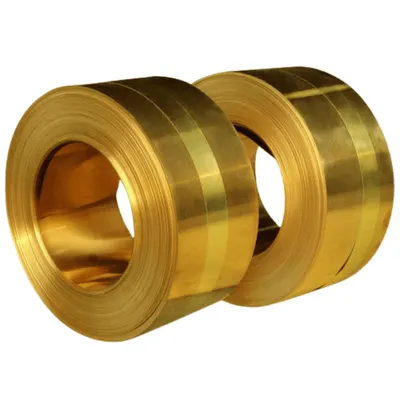
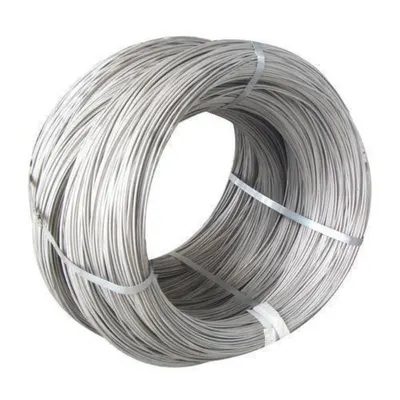
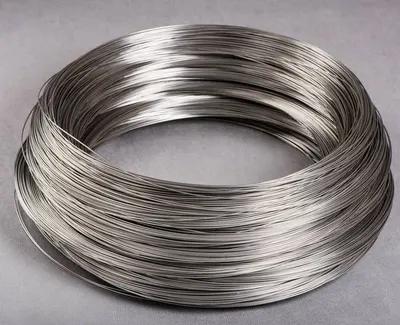
The product list includes both round wire and flat strip forms, with diameters ranging from 0.1 mm to 0.6 mm for the CuNi6 series and various alloy grades such as Cuni1, Cuni2, Cuni8, Cuni10, Cuni19 and Cuni30. Several items are described as thermal or resistance wires (e.g., P‑3500, P‑3000, P‑2500, P‑4500, P‑3800) which are commonly used in heating elements, thermostats and industrial temperature control. The presence of nickel‑chrome alloys (Cr20Ni35, Cr30Ni70) and constantan indicates capability to supply thermocouple conductors (type K) and precision resistors. All entries are tied to material specifications rather than brand names or client references.
Product Range and Specialties of Jiangyin Chengxin Alloy Material Co., Ltd
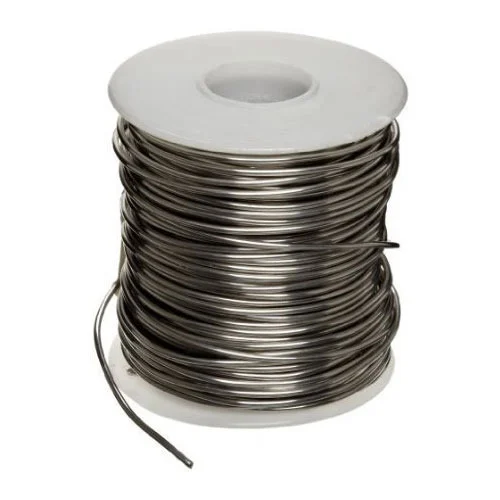
The catalogue covers copper‑nickel alloy wires such as CuNi6 (6 % Ni, 0.5‑1 % Mn), CuNi8 (8 % Ni), CuNi10 (Cuni10) and CuNi19 (Cuni19), each supplied in wire or strip formats and identified by HS codes 7408.21 and 7408.19. Nickel‑chrome alloys are listed as Cr20Ni35 and Cr30Ni70 under HS 7505.10 and 7505.22, typical of high‑temperature heating elements. Resistance wire families labeled P‑2500 to P‑4500 denote standard IEC 60060 grades with resistivity values between 1.0 and 2.5 Ω·mm²/m, and temperature coefficients of resistance (TCR) around ±50 ppm/°C for nickel‑chrome and ±200 ppm/°C for copper‑nickel alloys. Industry practice also includes ASTM B170 for nickel‑chrome and ASTM B170‑03 for copper‑nickel wire specifications, which define tensile strength, elongation and surface finish.
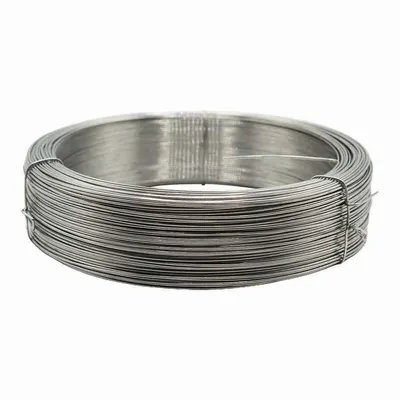
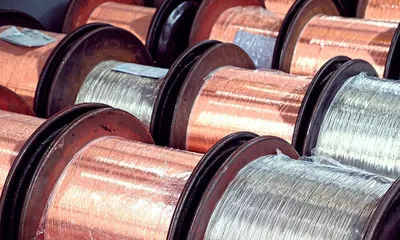
Typical buyers expect diameters from 0.05 mm up to 2 mm, insulation‑free coils wound on cardboard cores, and packaging in sealed paper bags or plastic drums for shipment. For strip products, thicknesses of 0.1‑0.3 mm and widths up to 20 mm are common, with dimensions certified by laser micrometry. The wires are often supplied in standard spool lengths of 100 m or 500 m, compatible with automated winding equipment used in appliance heating, automotive climate control and industrial furnace applications.
Trade and Export Information - Jiangyin Chengxin Alloy Material Co., Ltd
China is a major exporter of alloy resistance wires, with the HS 7408 family primarily shipped to Europe, North America and Southeast Asian manufacturers of heating elements and temperature sensors. The HS 7505 family is similarly directed toward automotive and industrial equipment makers in the United States, Germany and Japan. Export shipments usually follow FOB Shanghai or Ningbo ports, and containers are packed in 20‑ft or 40‑ft units, each holding up to 1 ton of wire depending on coil density.
Buyers often request RoHS compliance, REACH registration and, for EU destinations, CE conformity declarations, especially when the wires are destined for electrical equipment. ISO 9001 quality management certification is a common prerequisite for long‑term contracts, while test reports complying with IEC 60060 (resistance, TCR, temperature rating) and ASTM B170 (mechanical properties) are routinely required. Packaging standards include double‑layered paper wrapping and moisture‑barrier sleeves to meet ISPM 15 phytosanitary regulations for wooden pallets used in container loading.
Sourcing from Jiangyin Chengxin Alloy Material Co., Ltd - Buyer Guidance
When sourcing from Jiangyin Chengxin Alloy Material Co., Ltd, buyers should obtain a material certificate that lists exact alloy composition (e.g., Cu 90 % Ni 10 % for Cuni10) and matches the HS code provided in the catalogue. Request test reports for resistivity at 20 °C, temperature coefficient of resistance, tensile strength and elongation, as these parameters are critical for heating element performance. Verify that the supplier can provide IEC 60060 compliance documentation and, if required by the destination market, RoHS or REACH statements before confirming order quantities.
Typical minimum order quantities for alloy wire range from a single 100 m coil to multi‑ton bulk shipments; lead times in China for these alloys are generally 4‑6 weeks after receipt of a purchase order and approved test samples. Ensure that the packaging (paper‑wrapped coils, moisture‑proof bags) and labeling include the HS code, alloy grade and dimensions to facilitate customs clearance and downstream quality checks.
Frequently Asked Questions About Jiangyin Chengxin Alloy Material Co., Ltd
What alloy grades are available for copper‑nickel resistance wire?
The supplier lists CuNi6, CuNi8, CuNi10 (Cuni10), CuNi19 (Cuni19), CuNi30 and CuNi2, each identified by specific HS codes in the 7408 series and described with typical nickel percentages and optional manganese content.
Which HS codes correspond to the nickel‑chrome heating wires?
Nickel‑chrome alloys are recorded under HS 7505.10 for Cr30Ni70 and HS 7505.22 for Cr20Ni35, matching the catalogue entries for high‑temperature resistance wires.
Are standard IEC 60060 test reports provided for the resistance wires?
Buyers should request IEC 60060‑based test reports that cover resistivity, temperature coefficient of resistance (TCR) and maximum operating temperature for each wire grade.
What typical diameters are offered for the CuNi6 wire?
The catalogue specifies wire diameters from 0.1 mm to 0.6 mm for the CuNi6 series, which aligns with industry practice for precision heating and sensor applications.
What certifications are commonly required for importing these alloy wires into the EU?
Importers usually require RoHS compliance, REACH registration and a CE declaration, along with a quality management system certificate such as ISO 9001.
How are the wires packaged for international shipment?
Standard packaging includes paper‑wrapped coils placed in moisture‑proof bags or sealed drums, loaded into 20‑ft or 40‑ft containers, and shipped under FOB or CIF terms from major Chinese ports.
What documentation should be verified before placing an order?
Verify the material certificate, HS code alignment, IEC 60060 test report, and any regulatory compliance certificates (RoHS, REACH) relevant to the destination market.
What is the typical lead time for a bulk order of nickel‑chrome resistance wire?
Lead times for nickel‑chrome alloy wires from China are generally 4‑6 weeks after order confirmation and receipt of required sample approvals.




 , China