Agriculture›
 Apparel and fashion accessories›
 Construction & real estate›💡Electronic & Electrical›🍎Food & Beverages›🛋️Home furnishing & supplies›⚗️Industrial goods & chemical›🪨Minerals & metals›📦Miscellaneous›Agriculture›Apparel and fashion accessories›Construction & real estate›💡Electronic & Electrical›🍎Food & Beverages›🛋️Home furnishing & supplies›⚗️Industrial goods & chemical›🪨Minerals & metals›📦Miscellaneous›
Jacob Odhiambo Product Catalog

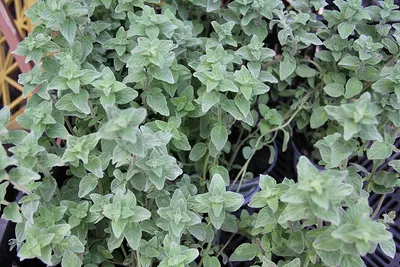
About Jacob Odhiambo - Herbs Supplier in Kenya
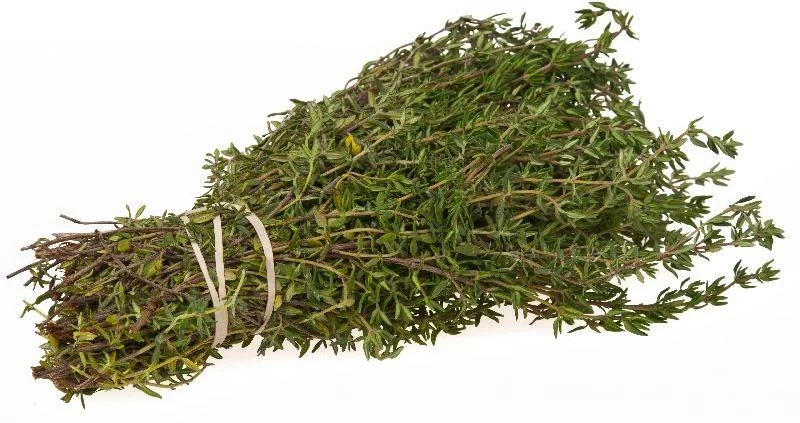
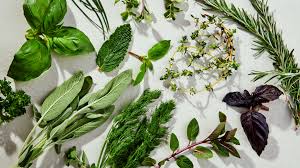
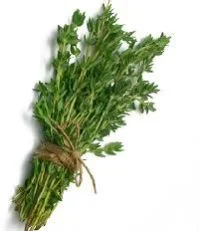
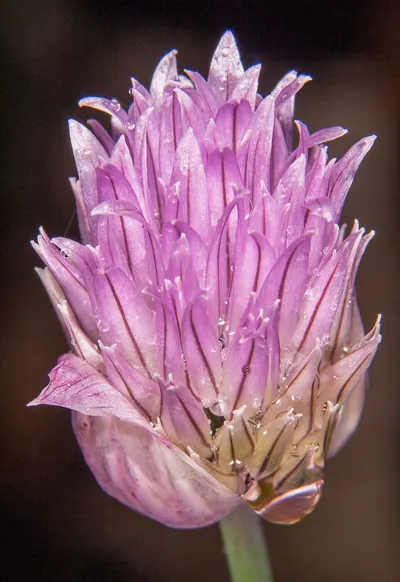
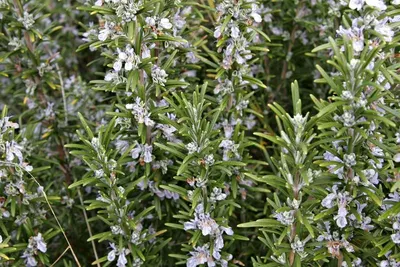
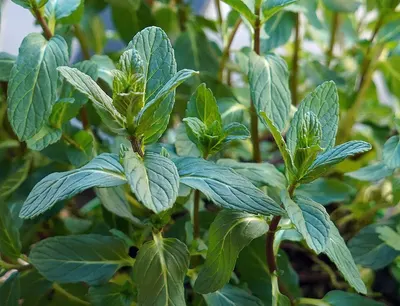
Kenya‑based supplier Jacob Odhiambo lists six herb products in its catalogue. The portfolio includes fresh or dried basil, chives, rosemary, mint, sage and oregano, all classified under the generic herb category. The active product count of six reflects a focused range of culinary herbs commonly used in food processing and hospitality sectors. These herbs are sourced from Kenyan farms and are prepared for bulk export. The supplier’s catalogue aligns with HS chapter 09 (spices and aromatic vegetables). The listing follows the standard HS code families for herbs, such as 0909 for dried aromatic herbs.
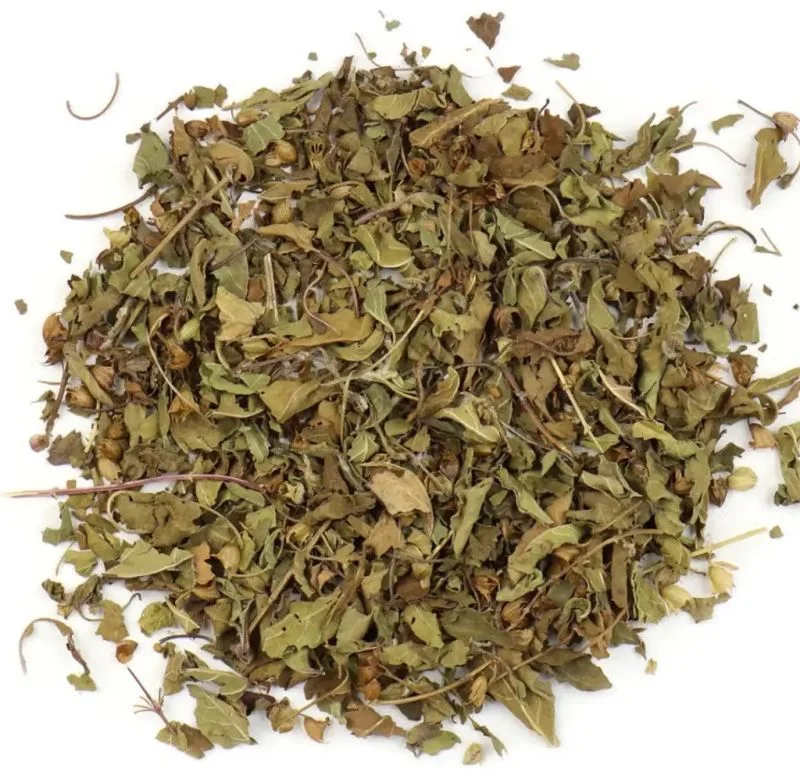
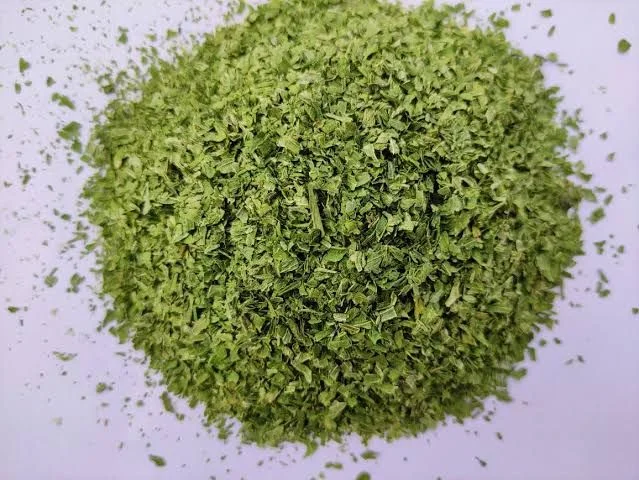
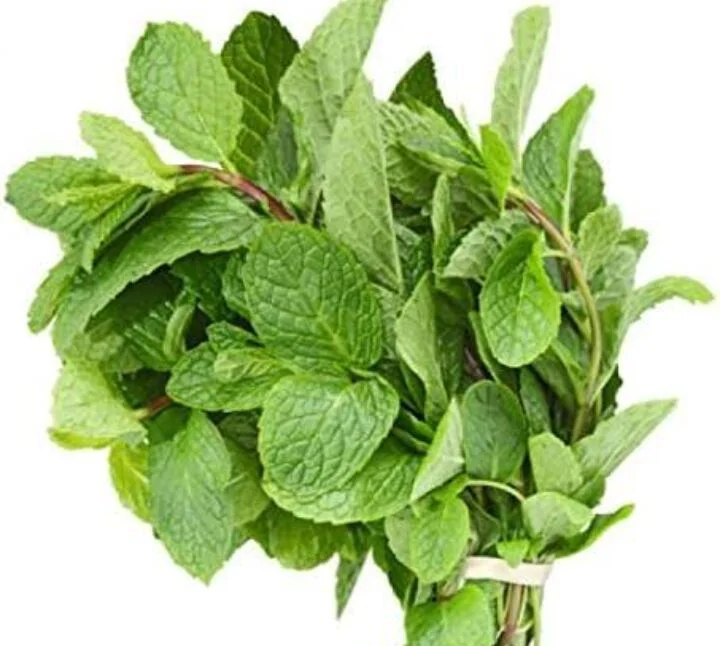
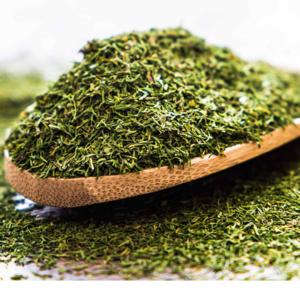
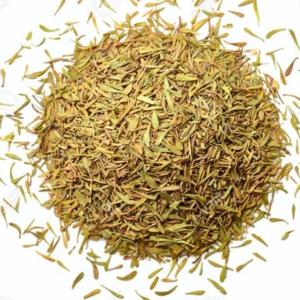
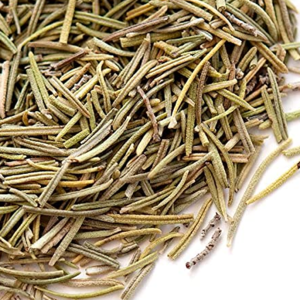
Basil is offered in whole‑leaf form, typically dried to a moisture level below 12 %. Chives are supplied as cut stems, suitable for frozen or fresh market. Rosemary and sage are commonly provided as dried leaves with essential‑oil content that meets culinary‑grade specifications. Mint is available in both dried leaf and crushed forms, while oregano is supplied as whole dried leaves. All six items meet the typical quality parameters required by international buyers, such as absence of foreign matter and compliance with pesticide‑residue limits.
Product Range and Specialties of Jacob Odhiambo
The catalogue’s six herbs fall within the culinary herb segment, where buyers usually differentiate between dried and fresh grades. Dried basil, chives, rosemary, mint, sage and oregano are often sold in 20 kg polypropylene bags or 25 kg paper cartons, with moisture content not exceeding 12 % for dried products. Typical HS codes include 0909.10 for dried basil, 0909.20 for chives, 0909.30 for rosemary, 0909.40 for mint, 0909.50 for sage and 0909.60 for oregano. Buyers frequently request organic certification (e.g., EU organic, USDA Organic) or at least a phytosanitary certificate, and quality grades such as “culinary grade” or “food grade” are standard.
In addition to bulk dried forms, some markets accept fresh herb bunches packed in insulated boxes with ice packs for short‑haul shipments. The essential‑oil content, measured by gas chromatography, is a key specification for rosemary and oregano, with typical values of 1 - 2 % and 0.5 - 1.5 % respectively. When supplied as dried material, a colour index (e.g., ISO 2444) is often used to verify product consistency.
Frequently Asked Questions About Jacob Odhiambo
What herb products does Jacob Odhiambo offer?
Jacob Odhiambo lists six culinary herbs - basil, chives, rosemary, mint, sage and oregano - in dried or fresh form for bulk export. The catalogue does not include any other product categories.
Which markets does Jacob Odhiambo primarily serve?
The supplier’s export focus includes the European Union, the United States and the Middle East, regions that regularly import Kenyan aromatic herbs. These markets often require compliance with their respective food‑safety regulations.
Which HS codes are applicable to these herbs?
The typical HS codes are 0909.10 for dried basil, 0909.20 for chives, 0909.30 for rosemary, 0909.40 for mint, 0909.50 for sage and 0909.60 for oregano. Fresh variants may fall under the broader code 0909.99 for other fresh aromatic herbs.
What certifications should a buyer request?
Buyers should request a phytosanitary certificate and a recent laboratory analysis for moisture and pesticide residues. Where required, organic or GlobalGAP certificates can be requested to confirm compliance with specific market standards.
What are the usual packaging formats?
Dried herbs are commonly packed in 20 kg food‑grade polypropylene bags or 25 kg paper cartons sealed for moisture protection. Fresh herbs are packed in insulated boxes with ice packs to maintain temperature during transit.
 Kenya
Related Suppliers & Products
Explore similar suppliers, related products and trending categories