Intechchemical — Verified Supplier
About Intechchemical - Flanges Supplier in South Korea (Republic Of Korea)
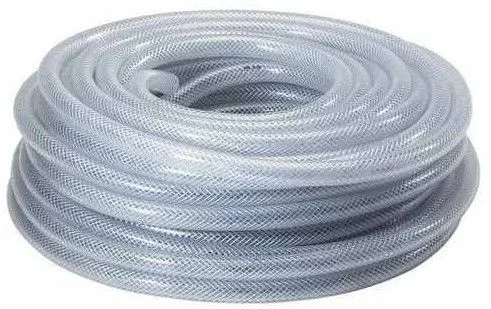
Intechchemical operates from South Korea (Republic Of Korea) and currently lists seven active products in its catalogue. The catalogue covers a set of hose products that fall under several HS‑code families, including high‑pressure suction/discharge hose (HS 4009.11, industrial‑grade rubber), duct hose (HS 8302.30, aluminum or galvanized steel wire with PVC or fabric coating), clear PVC water hose (HS 3917.31, clear transparent PVC), braided hose (HS 8307.10, stainless‑steel 304 braiding with PVC or rubber core), super air hose (HS 4009.32, synthetic rubber with textile braid), and gas/LPG/LNG hose (HS 4009.41, rubber with steel‑wire reinforcement). Each entry specifies the primary material used, allowing buyers to assess compatibility with their applications.
Intechchemical also lists Flanges as its top category, although the detailed product list focuses on hose solutions. The range includes agricultural spray hose, which is mentioned without an HS code but aligns with typical agricultural irrigation equipment. By providing both metal‑reinforced and polymer‑based hose types, the supplier addresses sectors such as industrial fluid handling, construction, agriculture, and gas transport, all referenced under the respective HS classifications.
Product Range and Specialties of Intechchemical
The catalogue presents seven hose types built from industrial rubber, synthetic rubber, PVC, stainless‑steel 304, aluminum, and galvanized steel wire. In the industry, high‑pressure suction hoses are commonly rated to 200 bar (≈3000 psi) and conform to standards such as ISO 4422 for reinforced rubber hoses. Duct hoses with metal wire and PVC coating typically meet EN 13122 for fire‑resistant flexible ducts. Clear PVC water hoses are supplied in transparency grades that meet DIN 8077 for potable‑water applications, while braided stainless‑steel hoses are often specified to ISO 8434 for hydraulic and pneumatic use. Super air hoses reinforced with textile braid usually carry a working pressure of 12 - 15 bar and comply with ISO 15590. Gas, LPG, and LNG hoses with steel‑wire reinforcement are graded to ISO 11625 for gas service, requiring pressure testing at 1.5 times the working pressure. These industry specifications provide a benchmark for evaluating the supplier’s products.
Trade and Export Information - Intechchemical
South Korea exports flexible hose products primarily to markets in Southeast Asia, the Middle East, and Europe, where construction, petrochemical, and agricultural sectors demand robust fluid‑transfer solutions. The HS‑code families in the catalogue (4009, 8302, 3917, 8307) are routinely inspected under the Korean Customs Service and may require conformity certificates such as CE marking, ISO 9001 quality‑management certification, and, for gas hoses, UL or CSA approval when destined for North America. Typical packaging includes 20‑ft or 40‑ft containers, with hoses coiled on wooden pallets or packed in steel drums, and shipping terms often follow CIF or FOB. Export documentation generally comprises a commercial invoice, packing list, certificate of origin, material safety data sheet (MSDS), and any requested test reports, aligning with standard Korean export procedures for polymer and metal‑reinforced products.
Sourcing from Intechchemical - Buyer Guidance
When sourcing hoses from Intechchemical, buyers should request material data sheets, pressure‑test certificates, and, where applicable, CE or UL conformity reports to verify compliance with the relevant industry standards. Samples should be inspected for dimensions, reinforcement pattern, and transparency (for clear PVC hoses) before bulk orders. Verify that the HS codes listed match the intended customs classification and that the supplier can provide a test report following ISO 4422, ISO 8434, or ISO 11625 as appropriate for the hose type. Confirm packaging details - whether the hoses are palletized, crated, or drum‑packed - to ensure compatibility with the buyer’s logistics and warehouse handling processes.
Frequently Asked Questions About Intechchemical
What types of hose materials does Intechchemical offer?
The supplier lists industrial‑grade rubber, synthetic rubber with textile braid, clear PVC, stainless‑steel 304 braiding, and aluminum or galvanized steel wire with PVC or fabric coating as material options across its seven hose products.
Which HS codes are associated with the listed hoses?
HS 4009.11 for high‑pressure suction hose, HS 4009.32 for super air hose, HS 4009.41 for gas/LPG/LNG hose, HS 8302.30 for duct hose, HS 3917.31 for clear PVC water hose, and HS 8307.10 for braided stainless‑steel hose. The agricultural spray hose is listed without an HS code.
What pressure ratings are typical for these hose categories?
Industrial rubber suction hoses are often rated up to 200 bar, super air hoses around 12 - 15 bar, and gas/LPG/LNG hoses are commonly tested to 1.5 times their working pressure per ISO 11625.
Are certifications like ISO 9001 or CE required for these products?
Buyers usually request ISO 9001 quality‑management certification and CE marking for European shipments; gas hoses may also need UL or CSA approval depending on the destination market.
What documentation should be obtained before placing an order?
Material safety data sheets (MSDS), pressure‑test certificates, conformity test reports (e.g., ISO 4422, ISO 8434), and a certificate of origin are standard documents for importing hoses from South Korea.
How are the hoses typically packaged for export?
Export packaging commonly uses wooden pallets or steel drums for coiled hoses, with containers sized to 20‑ft or 40‑ft units, and includes protective wrapping to prevent damage during transit.
What are the usual lead times for bulk orders?
Lead times depend on the specific hose type but generally range from 4 to 8 weeks for production and preparation of export documentation.
Which markets most frequently import these Korean hose products?
Key import regions include Southeast Asian countries, the Middle East, and European nations, where construction, petrochemical, and agricultural sectors drive demand for reinforced and polymer‑based hoses.




 , South Korea (Republic Of Korea)