Indian Xporter — Verified Supplier
About Indian Xporter - Fresh Vegetables Supplier in India
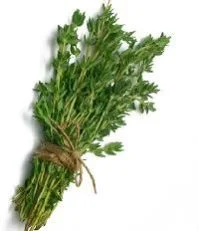
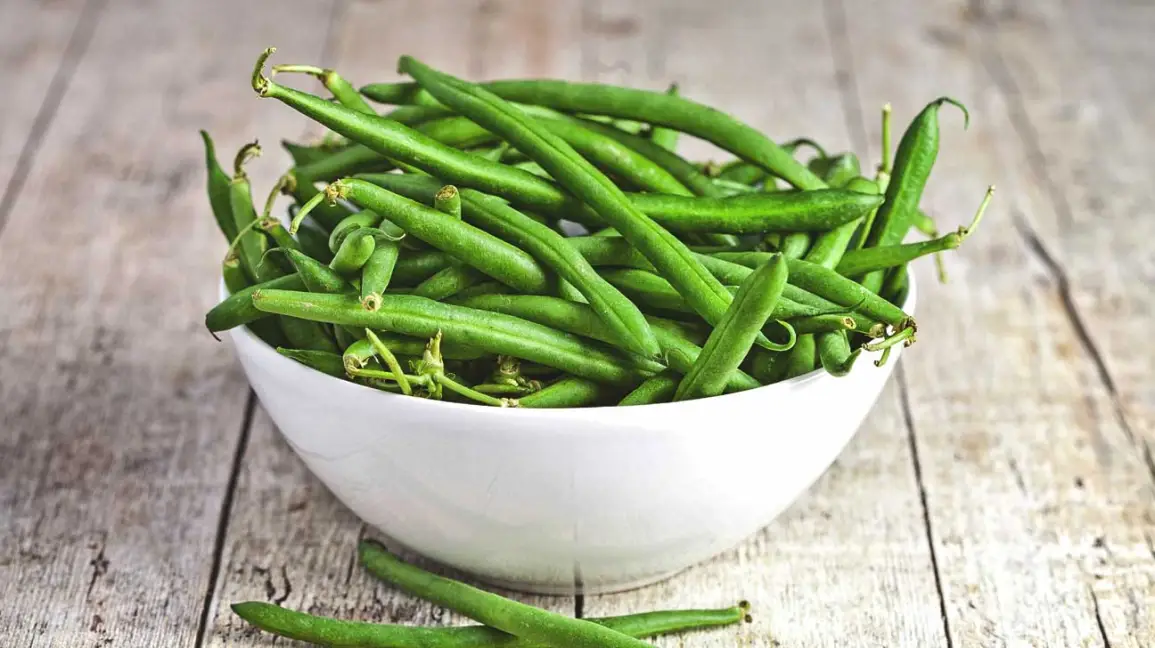
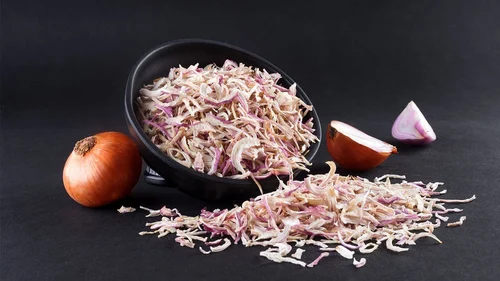
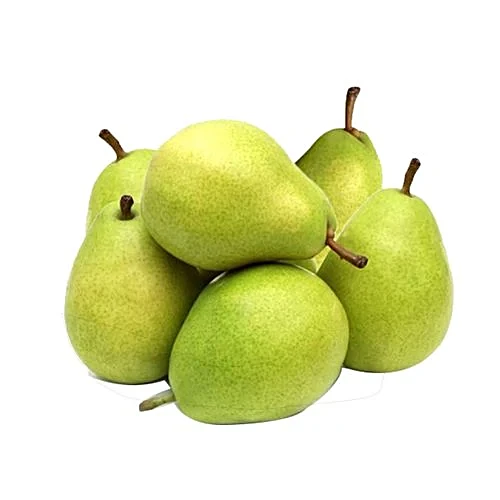
India supplies 46 listed products through Indian Xporter, covering fresh vegetables, beans, bananas and coconut. The catalogue enumerates items such as Fresh Lady Finger, Fresh Red Onion, Celery root, Fresh Curry Leaves, Fresh Pears, Fresh Tamarind, Field beans (HS 0713.50, dried Vicia faba beans, whole or shelled), Kidney Beans, Red capsicums, Dry Green Peas, Fresh Ginger, Fresh Spinach, Malabar Spinach, Spring Onion, Tomato, Fresh Ridge Gourd, Fresh Green Bell Pepper, Fresh Potato, Fresh Red Carrot, Fresh Button Mushroom, Ivy Gourd (Gherkin), Taro Root, Turnip, Pea Shoots, Carrot, Thyme, Green Cavendish Bananas (HS 0803.00, fresh Musa acuminata Cavendish cultivar), Green Peas, Cannellini Beans (HS 0713.33, dried white kidney bean) and A Grade Coconut.
Product Range and Specialties of Indian Xporter
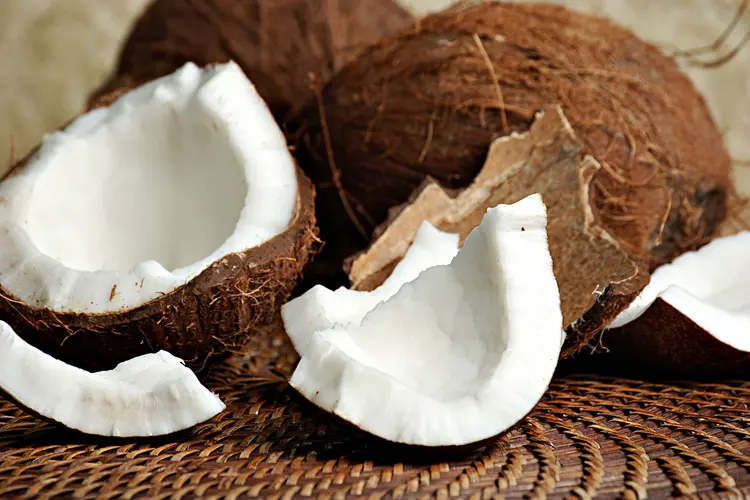
The listed products fall into three broad export categories: fresh vegetables, dried leguminous beans and fresh fruit. In the fresh‑vegetable segment, buyers typically require size uniformity (e.g., carrots 6‑8 mm diameter), colour conformity, moisture below 10 % and pesticide residues within EU maximum residue limits (MRLs). Dried beans are graded by kernel size (e.g., 18 - 20 mm for field beans), moisture under 12 % and absence of foreign material; ICUMSA colour ratings are not applied, but visual grading for uniformity is common. Export‑grade bananas are classified as A, B or C based on bunch weight (≥12 kg for A grade), skin colour, and defect count, while A Grade coconut is expected to be whole, husk removed, with moisture below 6 % and no fungal damage. These industry standards align with the product titles shown in the catalogue.
Trade and Export Information - Indian Xporter
India ranks among the world’s top exporters of fresh vegetables, dried beans and tropical fruit. Typical import markets include the European Union, the Gulf Cooperation Council, the United States and Southeast Asian countries. The HS‑code families represented - 0713 for dried beans, 0701‑0709 for fresh vegetables and 0803 for fresh bananas - are subject to phytosanitary inspection and often require certification under GlobalGAP, ISO 22000 or HACCP for food safety, plus a mandatory phytosanitary certificate issued by the Indian Plant Quarantine Organization. Refrigerated 40‑ft containers (reefer) are standard for fresh vegetables and bananas, while ventilated bulk bags or jute sacks are used for dried beans. Indian exporters frequently ship on CIF or FOB terms, with container loading ports such as Mumbai, Chennai and Kochi handling the majority of outbound freight.
Sourcing from Indian Xporter - Buyer Guidance
Buyers should request a recent phytosanitary certificate and laboratory analysis confirming pesticide residues are below the destination country’s MRLs. For dried beans, a moisture test (target <12 %) and a size‑grading report are customary before final acceptance. Fresh vegetables are usually inspected for colour, firmness and absence of spoilage; a sample of 5 kg per lot is a common practice to verify compliance with size and moisture specifications. Confirm that the supplier can provide GlobalGAP or ISO 22000 audit reports, and clarify packaging details - reefer temperature set points (typically 0 °C to 2 °C for leafy greens, 4 °C to 6 °C for carrots) and crate or pallet configurations - before placing an order.
Frequently Asked Questions About Indian Xporter
What HS codes are associated with Indian Xporter’s bean products?
Field beans are listed under HS 0713.50 and Cannellini Beans under HS 0713.33, both falling within the dried leguminous vegetables chapter.
Which certifications should a buyer verify for the fresh vegetable range?
Buyers should ask for GlobalGAP, ISO 22000 or HACCP audit reports and a phytosanitary certificate, as these are the standards commonly required for Indian fresh‑vegetable exports.
How is the quality of Green Cavendish Bananas defined for export?
Export‑grade bananas are expected to be in the A grade, with a minimum bunch weight of about 12 kg, uniform green colour, low defect count and a moisture content below 6 %.
What typical packaging is used for dried beans like Field beans?
Dried beans are usually packed in ventilated jute or polypropylene bags of 25 kg each, placed on wooden pallets for easy handling and shipment.
What are the common moisture limits for the fresh vegetables listed?
Fresh vegetables generally must have moisture below 10 % (e.g., carrots, onions, peppers) to meet export specifications and to prevent spoilage during transit.
What lead time and minimum order quantity are typical for Indian Xporter’s fresh produce?
Lead times of 30‑45 days from order confirmation are common, with minimum order quantities often starting at 10 metric tonnes for bulk vegetable shipments.
How can a buyer obtain a sample of the Fresh Lady Finger before a full order?
The supplier can arrange a 5‑kg sample shipment, packed in insulated boxes with refrigerated transport, allowing the buyer to assess size, colour and firmness against market standards.
What documentation is required for importing A Grade Coconut from India?
A phytosanitary certificate, a certificate of origin and any applicable ISO 22000 or HACCP audit report should accompany the shipment to satisfy most importing country regulations.




 , India