Hebei Ocelot Trading Co.,Ltd — Verified Supplier
About Hebei Ocelot Trading Co.,Ltd - Hydraulic Hose Supplier in China
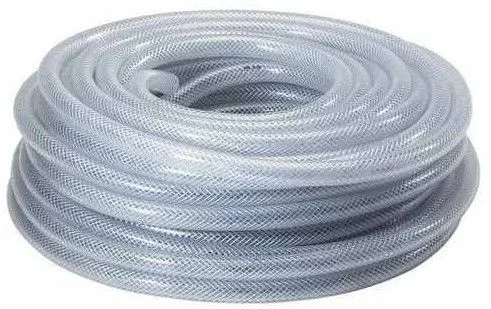
Hebei Ocelot Trading Co.,Ltd is based in China and currently lists eleven distinct hose‑related products in its catalogue. The items are classified under HS Chapter 40 (rubber and plastics) with codes 4009.11, 4009.21, 4009.22, 4009.42, 400921 and one polymer hose under HS 3917.31. Products include hydraulic and drilling hose assemblies, SAE series rubber hoses, gas‑drainage hoses, automotive hydraulic hoses, dredge slurry suction hoses, high‑temperature steam hoses, sand‑blast resistant hoses, and an EN‑standard rubber hose with steel‑flange fittings. Each entry specifies the base material - synthetic rubber, EPDM, natural rubber or nylon resin - and the reinforcement method, typically steel wire or textile braids. The catalogue also notes carbon‑steel flange fittings for several items.
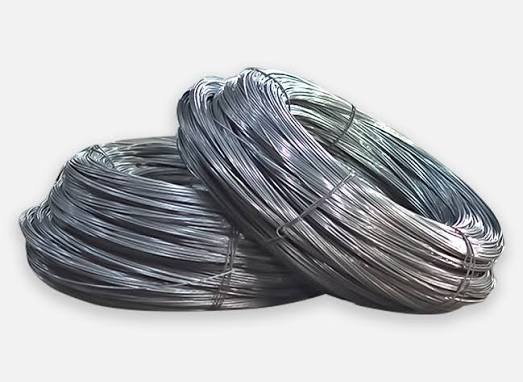
The supplier’s top categories are listed as Flanges and Steel Wires, which correspond to the reinforced rubber hoses that incorporate steel‑wire braids and carbon‑steel flange couplings. All eleven products feature some form of steel reinforcement, either as wire braid, spiral wire, or textile reinforcement, aligning with the “Steel Wires” category. The flange‑type products use standard carbon‑steel fittings that are compatible with ISO‑ and EN‑specified dimensions. No additional product families such as pipe fittings or raw steel wire are mentioned in the catalogue.
Product Range and Specialties of Hebei Ocelot Trading Co.,Ltd
The catalogue covers a spectrum of reinforced rubber hoses used in hydraulic, drilling, marine mooring, automotive and dredging applications. Typical specifications for the synthetic‑rubber hoses include NBR or EPDM compounds with pressure ratings from 200 bar to 350 bar and service temperatures from - 40 °C to +200 °C. Steel‑wire reinforced hoses commonly meet ISO 6149 or SAE J517 standards, while EN‑standard hoses are produced to EN 853 requirements. The high‑wear sand‑blast hose uses an SBR compound with textile reinforcement, a grade often specified for abrasive environments. The nylon‑resin hose (HS 3917.31) is a polyamide tube used for low‑pressure, chemically resistant conveyance and is typically rated up to 25 bar and 120 °C. Standard dimensions range from 6 mm to 76 mm inner diameter, supplied in lengths of 3 m to 30 m, and are packaged in coil or cut‑to‑length bundles.
Trade and Export Information - Hebei Ocelot Trading Co.,Ltd
China is a major exporter of reinforced rubber hoses, and shipments under HS 4009 are routinely directed to oil‑and‑gas fields in the Middle East, offshore marine projects in Southeast Asia, mining operations in Africa, and automotive plants in Europe. Buyers usually request compliance with ISO 9001 quality management, ISO 14001 environmental management, and product‑specific certifications such as API 17D for drilling hoses or CE marking for EN‑standard hoses. HS 4009 products are subject to customs inspection for material composition and pressure‑test certificates, while HS 3917.31 polymer hoses may require a REACH safety data sheet. Common logistics involve 20‑ft or 40‑ft containers, wooden crates for long hoses, and FOB or CIF incoterms from Chinese ports such as Tianjin or Shanghai.
Sourcing from Hebei Ocelot Trading Co.,Ltd - Buyer Guidance
Potential buyers should obtain a material data sheet that confirms the rubber compound (e.g., NBR, EPDM, NR, SBR) and the grade of steel‑wire reinforcement (e.g., ASTM A193). A hydrostatic pressure test report, indicating the maximum burst pressure and the test temperature, is essential for high‑pressure applications. Verify that flange dimensions comply with the relevant ISO or EN standard and that the steel used matches carbon‑steel grades specified in ASTM A105. Request certificates of conformity for ISO 9001 or any product‑specific standard required by the end‑use, and consider a pre‑shipment sample to validate inner diameter, wall thickness and flexibility.
Frequently Asked Questions About Hebei Ocelot Trading Co.,Ltd
What types of reinforcement are used in the hoses listed by Hebei Ocelot Trading Co.,Ltd?
The catalogue specifies steel‑wire braid or spiral reinforcement for most hoses, a textile reinforcement for the sand‑blast resistant hose, and a nylon‑polyamide resin for the high‑temperature polymer hose.
Which HS codes apply to the supplier’s hydraulic and drilling hoses?
Hydraulic and drilling hose assemblies are classified under HS 4009.11, while the dredge slurry suction hose falls under HS 4009.22 and the EN‑standard rubber hose under HS 4009.21.
What pressure ratings are typical for the listed rubber hoses?
Typical pressure ratings range from 200 bar for standard hydraulic hoses up to 350 bar for high‑pressure drilling assemblies, with burst tests commonly performed at 1.5 times the rated pressure.
Are there standard certifications buyers should request for these Chinese hose exports?
Buyers usually request ISO 9001 quality‑management certification, ISO 14001 environmental certification, and product‑specific certificates such as API 17D for drilling hoses or CE marking for EN‑standard hoses.
What dimensions and packaging formats are commonly offered?
Inner diameters from 6 mm to 76 mm are available, with lengths supplied in coils of 3 m to 30 m or cut‑to‑length bundles packed in wooden crates or 20‑ft containers.
How can a buyer verify the material composition of the EPDM or NBR hoses?
A supplier‑issued material safety data sheet (MSDS) should list the rubber compound, and a laboratory test report can confirm the percentage of EPDM, NBR or other polymers in the final product.
What is the usual lead time for a sample of the high‑temperature steam hose?
Suppliers in China typically provide a small sample within 7 to 10 working days after receiving a written request and confirmation of the required dimensions.
Which international standards govern the flange fittings on these hoses?
The carbon‑steel flange fittings are generally manufactured to ISO 7005‑1 or EN 1092‑1 dimensions, which are compatible with standard hydraulic and pneumatic connections.




 , China