Hebei Hong Cheng Pump Co., Ltd. — Verified Supplier
About Hebei Hong Cheng Pump Co., Ltd. - Industrial Pumps Supplier in China
Hebei Hong Cheng Pump Co., Ltd. is based in China and currently lists 13 distinct pump‑related products in its catalogue. The catalogue includes items such as O‑rings for mechanical seals, submersible pump mounting plates, and a range of slurry‑pump spare parts. Several entries carry the HS code 8413.91, which classifies them as parts of pumps, while one product is listed under HS 4016.93 for rubber goods. Materials reported span natural rubber, polyurethane, EPDM, NBR, stainless steel grades 304 and 316L, and high‑chrome white iron (Cr27). The product set also covers mechanical seals, impellers, rear guard plates, and lower strainers. These items fall within the broader industrial pumps and related components segment.
The supplier’s top categories are listed as Automobile Spare Parts & Supplies, Gaskets, Industrial Pumps, Machined Components, Mechanical Seals and Electric Pumps. Within those groups the catalogue shows O‑rings, gasket‑type seals, mounting plates, impellers, wear‑resistant liners and corrosion‑resistant alloy components. Each product is identified by material type and, where provided, the corresponding HS code, allowing buyers to match customs classifications directly. No additional product families beyond the 13 listed are claimed. The focus remains on pump‑related mechanical parts rather than complete pump assemblies.
Product Range and Specialties of Hebei Hong Cheng Pump Co., Ltd.
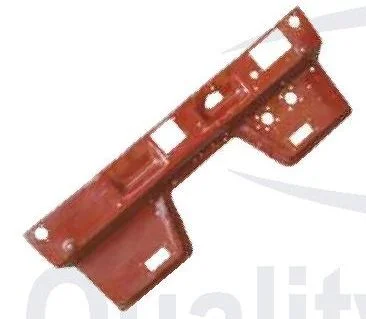
The catalogue offers three material families for pump components: natural rubber or polyurethane compounds for O‑rings and seals, stainless steel grades 304/316L for mounting plates and stents, and high‑chrome white iron or rubber‑lined alloy steel for wear‑resistant impellers. In the global market, O‑rings for mechanical seals are typically supplied in grades such as NBR (ISO 36), EPDM (ISO 37) and FKM (ISO 38), with hardness values from 60 to 90 Shore A. Slurry‑pump impellers are commonly fabricated from Cr‑27 white iron, yielding hardness around 55‑60 HRC and excellent abrasion resistance, while stainless‑steel impellers meet ASTM A240 specifications for corrosion resistance. Standard dimensions for pump plates and guard plates range from 200 mm to 1200 mm in length, with thicknesses between 5 mm and 25 mm, and are shipped in wooden crates or bulk bags depending on size.
Industry practice for pump spare parts includes compliance with ISO 9001 quality management, and many buyers request CE marking for equipment destined for the European Union. For rubber components, IEC 60068 environmental testing (temperature, ozone, aging) is often cited. Metal parts may be accompanied by a Mill Test Report (MTR) confirming chemical composition and mechanical properties per ASTM or EN standards. These specifications help buyers assess durability, temperature limits (typically - 40 °C to +120 °C for EPDM) and compatibility with the intended fluid media.
Trade and Export Information - Hebei Hong Cheng Pump Co., Ltd.
China is among the world’s largest exporters of industrial pump components, with the HS chapter 84 covering pumps and parts. HS code 8413.91 is used for most of the listed items, and customs authorities in regions such as Southeast Asia, the Middle East, Africa and Europe routinely inspect this code for tariff and anti‑dumping measures. Typical importers include water‑treatment plants, mining operations, oil‑field service companies and agricultural irrigation projects that require robust slurry or submersible pumps. Buyers often request certifications such as ISO 9001, CE marking, and, for oil‑field applications, API 610 or API 685 compliance, although the supplier’s own certifications are not stated in the provided facts. Standard export packaging consists of wooden crates for large metal plates, 20‑ft or 40‑ft containers for bulk rubber parts, and moisture‑resistant liners for O‑rings. Common Incoterms used by Chinese pump exporters are FOB Shanghai or CIF destination port, with lead times of 30‑45 days from order confirmation.
For the rubber‑based products, the HS code 4016.93 places them under “other articles of natural rubber.” These items may be subject to additional phytosanitary or material‑safety documentation when shipped to the EU or North America. Export documentation typically includes a commercial invoice, packing list, certificate of origin, and where required, a material safety data sheet (MSDS) for the rubber compounds. Import regulations in many jurisdictions also mandate compliance with REACH (EU) or TSCA (US) for chemical content, especially for EPDM and NBR formulations.
Sourcing from Hebei Hong Cheng Pump Co., Ltd. - Buyer Guidance
When sourcing from Hebei Hong Cheng Pump Co., Ltd., buyers should request a mill test report for any stainless‑steel or high‑chrome white‑iron components to verify grade 304, 316L or Cr‑27 specifications. For rubber parts, a compound data sheet that lists hardness (Shore A), temperature range, and ozone resistance is standard practice. Samples of O‑rings, impellers or mounting plates can be ordered for dimensional verification before committing to full production runs.
Buyers are advised to confirm the exact HS code that matches the material and geometry of each part, as mis‑classification can affect duties and customs clearance. Typical minimum order quantities for custom‑fabricated metal plates range from one to five units, while rubber‑based components are often ordered in batches of 500 pcs or more, depending on size. Lead times of 4‑6 weeks are common, with longer periods for items requiring heat‑curing or post‑machining processes.
Frequently Asked Questions About Hebei Hong Cheng Pump Co., Ltd.
What material grades are available for the slurry pump impellers?
The catalogue lists impellers made from natural rubber, EPDM, NBR, high‑chrome white iron (Cr‑27) and stainless steel 304/316L. Buyers usually request the rubber compound datasheet and a mill test report for the metal alloys to confirm hardness and corrosion resistance.
Which HS code applies to the stainless‑steel mounting plates?
Stainless‑steel mounting plates are classified under HS 8413.91, the code for parts of pumps. This code is used globally for customs clearance of pump components made from steel grades such as 304.
What certifications should I ask for before purchasing the rubber O‑rings?
Typical certifications for rubber O‑rings include ISO 9001 quality management, an IEC 60068 environmental test report, and a material safety data sheet (MSDS) that details the compound composition. If the product will be used in the EU, a REACH compliance statement is also advisable.
How are the lower strainer parts packaged for export?
The lower strainer, listed under HS 4016.93, is usually packed in moisture‑resistant bulk bags or sealed wooden crates to prevent deformation of the natural rubber material during transit. Packing lists and a certificate of origin accompany the shipment.
What is the typical lead time for a custom‑fabricated pump body?
Custom pump bodies, such as the SP(R) submerged pump accessories, generally require 30‑45 days from order confirmation, depending on the complexity of machining and any post‑processing heat treatments.
Are there standard performance tests for the wear‑resistant impellers?
Wear‑resistant impellers are commonly tested for abrasion resistance (ASTM G65), impact strength, and flow performance at design head and discharge. Test reports showing compliance with these standards should be requested before final acceptance.
Can I receive a mill test report for the high‑chrome white‑iron parts?
Yes, suppliers typically provide an MTR that details the chemical composition, hardness (approximately 55‑60 HRC), and tensile strength of the Cr‑27 white‑iron alloy. This report helps verify that the part meets the required wear‑resistance specifications.
What packaging options are available for large metal pump plates?
Large metal plates such as the corrosion‑resistance slurry pump parts are usually shipped in wooden crates with internal bracing to prevent bending. For international shipments, the crates are palletized and loaded into 20‑ft or 40‑ft containers under FOB or CIF terms.




 , China