Agriculture›
 Apparel and fashion accessories›
 Construction & real estate›💡Electronic & Electrical›🍎Food & Beverages›🛋️Home furnishing & supplies›⚗️Industrial goods & chemical›🪨Minerals & metals›📦Miscellaneous›Agriculture›Apparel and fashion accessories›Construction & real estate›💡Electronic & Electrical›🍎Food & Beverages›🛋️Home furnishing & supplies›⚗️Industrial goods & chemical›🪨Minerals & metals›📦Miscellaneous›
Hangzhou Yetong Plastic Rubber Tech. Co., Ltd
⚓ Harbor , ChinaNew supplier / no reviews yet
Hangzhou Yetong Plastic Rubber Tech. Co., Ltd Product Catalog




About Hangzhou Yetong Plastic Rubber Tech. Co., Ltd - Traffic Safety Devices Supplier in China
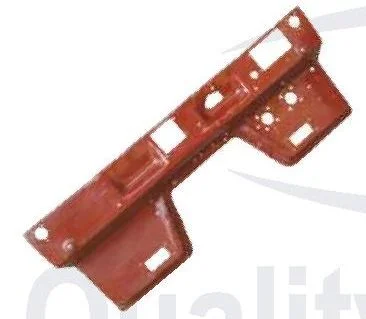
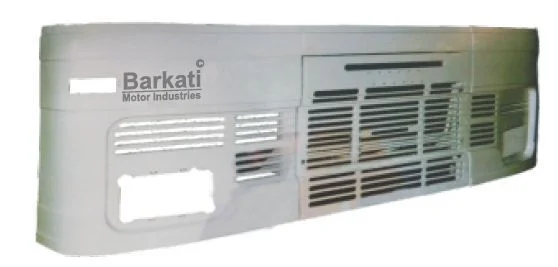
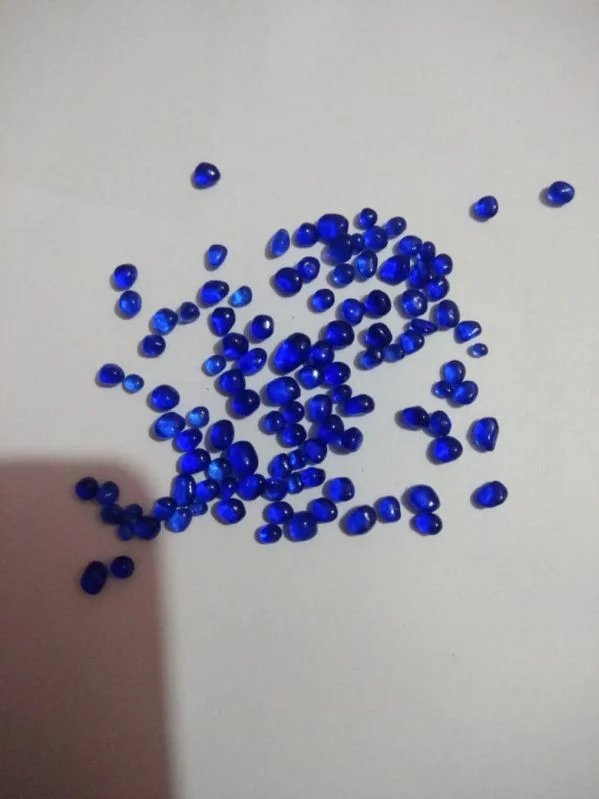
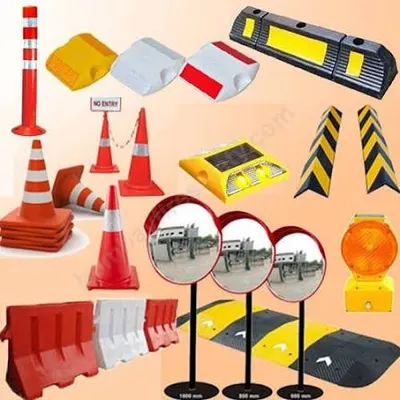
Hangzhou Yetong Plastic Rubber Tech. Co., Ltd operates out of Hangzhou, China and currently lists 31 distinct products on its catalogue. The items are grouped under traffic safety devices, glass beads, truck parts and reflective glass, and include variants such as cat‑eye glass‑bead reflectors, self‑luminous road studs, and plastic reflective panels for trucks. Each product name references a specific form factor - for example “Cat Eye 43 Glass Beads Reflector” or “Yt Round Self‑fluorescent Road Stud” - indicating a focus on road‑way visibility solutions. The catalogue does not provide HS codes or certification details, so the listing is limited to product titles and categories.
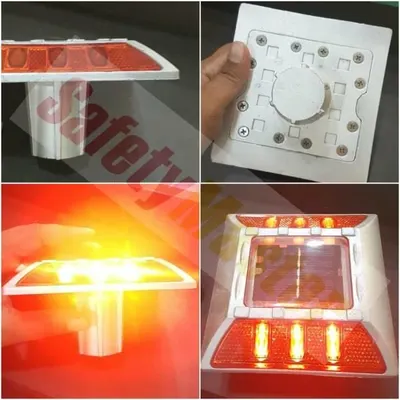
The supplier’s catalogue covers both passive reflectors that rely on external lighting and active self‑luminous units that incorporate photoluminescent or solar‑charged elements. Items such as “Plastic Solar Square Reflectors For Road Stud” suggest integration of solar cells, while “Yt Self‑luminous Aluminum Road Stud” points to metal‑based housings. The variety of shapes - round, square, trapezoid, rectangle - reflects standard road‑stud geometries used worldwide. No additional corporate data such as founding year or employee count is supplied.
Product Range and Specialties of Hangzhou Yetong Plastic Rubber Tech. Co., Ltd
Hangzhou Yetong’s product list comprises glass‑bead reflectors, cat‑eye road studs and truck‑mounted reflective panels. In the glass‑bead segment, industry practice separates beads by size and optical grade; typical grades range from 30 µm to 70 µm with reflectivity measured in candela per lux (cd/lx) and often meeting ASTM D4956 or EN 1436 specifications. The self‑luminous road studs usually embed photoluminescent pigments that charge under daylight and release light for 8‑12 hours, a performance metric commonly verified by ISO 21542. Truck reflectors are often fabricated from ABS or polycarbonate, with thicknesses between 2 mm and 4 mm to survive impact and weather exposure. Buyers generally expect product dimensions, bead count per unit and material data sheets, which are standard information for traffic safety devices.
Frequently Asked Questions About Hangzhou Yetong Plastic Rubber Tech. Co., Ltd
What types of road studs are listed by Hangzhou Yetong?
The catalogue includes round, square, trapezoid and rectangular road studs, both passive glass‑bead reflectors and self‑luminous versions that contain photoluminescent or solar‑charged elements.
Are the glass‑bead reflectors compatible with standard highway specifications?
The glass‑bead reflectors are described by bead count (e.g., 43 beads, 46 beads) which aligns with common EN 1436 and ASTM D4956 requirements for road‑way visibility, but buyers should request the exact bead size and reflectivity data sheet.
Which certifications should a buyer request for these traffic safety products?
Buyers typically request ISO 9001 for quality management, CE marking for European markets, and compliance test reports such as ASTM D4956 for glass beads or ISO 21542 for self‑luminous performance.
What is the usual packaging format for bulk orders?
Products are normally packed in wooden crates or sturdy cardboard boxes on Euro pallets, allowing 20‑ft or 40‑ft container loading without crushing the reflective surfaces.
What are typical minimum order quantities and lead times?
Minimum order quantities usually start at 1 000 units per reflector type, with lead times of 30 to 45 days after order confirmation, depending on whether the item includes solar or photoluminescent components.
ChinaRelated Suppliers & Products
Explore similar suppliers, related products and trending categories