Agriculture›
 Apparel and fashion accessories›
 Construction & real estate›💡Electronic & Electrical›🍎Food & Beverages›🛋️Home furnishing & supplies›⚗️Industrial goods & chemical›🪨Minerals & metals›📦Miscellaneous›Agriculture›Apparel and fashion accessories›Construction & real estate›💡Electronic & Electrical›🍎Food & Beverages›🛋️Home furnishing & supplies›⚗️Industrial goods & chemical›🪨Minerals & metals›📦Miscellaneous›
Hangzhou Leon Fashion Co., Ltd
⚓ Harbor , ChinaNew supplier / no reviews yet
Hangzhou Leon Fashion Co., Ltd Product Catalog
About Hangzhou Leon Fashion Co., Ltd - Agriculture Supplier in China
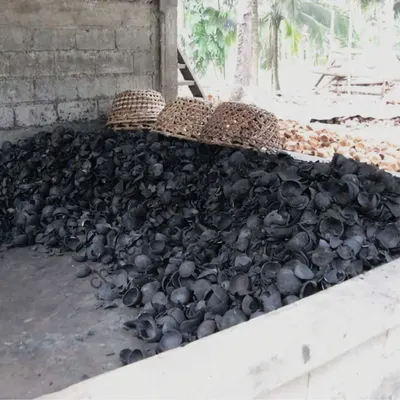
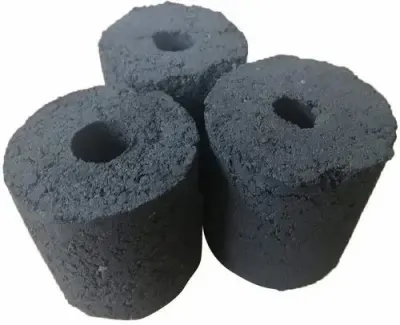
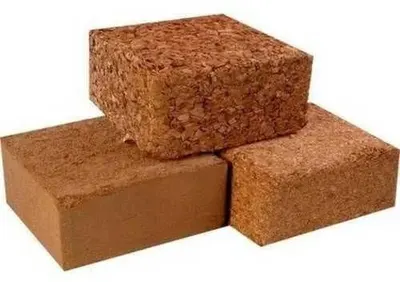
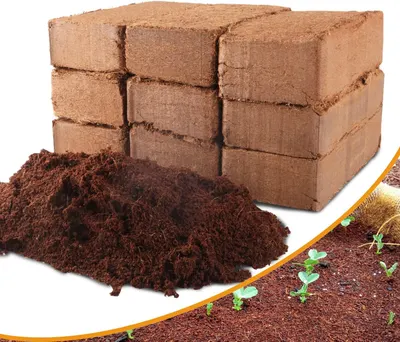
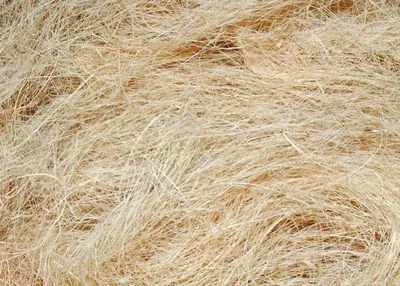
China, Zhejiang province, Hangzhou is the location of Hangzhou Leon Fashion Co., Ltd. The supplier lists five distinct agricultural products, giving the catalogue a total active product count of 5. The items are recorded under the broad agriculture category and include various forms of charcoal and coconut‑derived horticultural media. Each product is identified by its material type - wood charcoal, coconut charcoal briquette and three variants of coco peat or fiber - without additional brand or certification claims.
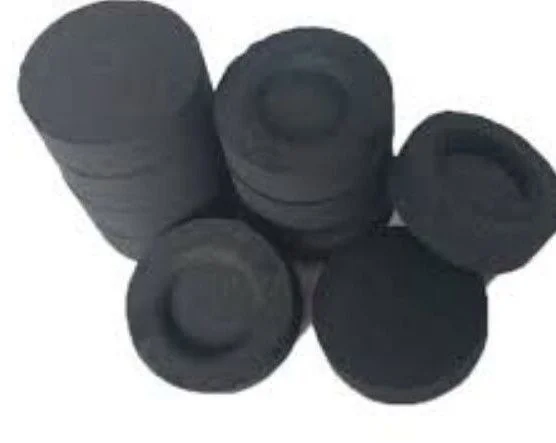
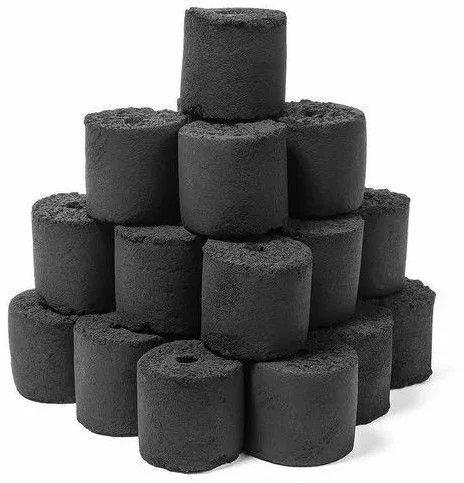
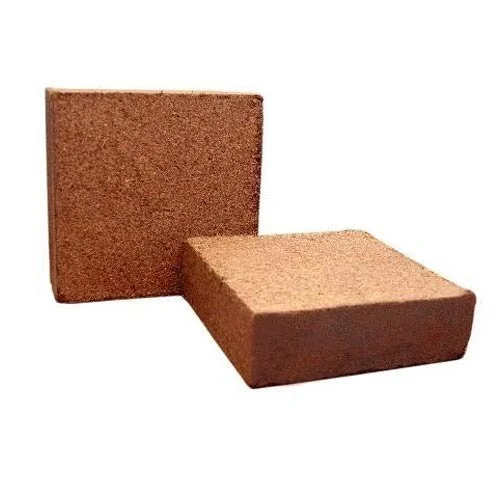
The catalogue explicitly names Hexagonal wood charcoal, Coco peat, Coco peat low EC, Coco fiber and Coconut charcoal briquette. These products fall into the charcoal and horticultural substrate families that are common in agricultural trade. No HS‑code information is supplied, so the description relies on the product names and their material classifications. The supplier’s trust tier is listed as “harbor,” indicating a moderate level of platform verification.
Product Range and Specialties of Hangzhou Leon Fashion Co., Ltd
Hangzhou Leon Fashion Co., Ltd offers five products that cover two main material families: carbonaceous charcoal and coconut‑based horticultural substrates. Hexagonal wood charcoal and Coconut charcoal briquette are typically produced from hardwood or coconut shells and are supplied in lump or briquette form; industry practice grades charcoal by particle size (2‑5 mm for lump, 10‑20 mm for briquette), moisture content below 10 %, and ash content under 5 %. Coco peat, Coco peat low EC and Coco fiber are processed from coconut husk; standard specifications include bulk density of 150‑200 kg / m³, pH 5.5‑6.5, and electrical conductivity (EC) usually below 2 dS m⁻¹, with the “low EC” variant targeting EC < 1 dS m⁻¹ for sensitive seedlings. Buyers often request ISO 9277 compliance for activated carbon and ISO 14001 or FSC certification for sustainably sourced coconut products, although the supplier’s own certifications are not listed.
Frequently Asked Questions About Hangzhou Leon Fashion Co., Ltd
What types of charcoal does Hangzhou Leon Fashion Co., Ltd supply?
The catalogue lists Hexagonal wood charcoal and Coconut charcoal briquette. Both are carbonaceous products used for filtration, fuel or soil amendment, and are typically graded by particle size and moisture content.
What are the key specifications for the coco peat products?
Coco peat and Coco peat low EC are measured for bulk density (150‑200 kg / m³), pH (5.5‑6.5) and electrical conductivity. The low EC variant is expected to have EC < 1 dS m⁻¹, suitable for sensitive plant stages.
Does the supplier provide any quality certifications?
The facts do not list any certifications held by the supplier. Buyers should ask for ISO 9001, ISO 14001 or FSC documentation if those standards are required for their market.
What packaging formats are typical for these products?
Charcoal is usually shipped in bulk bags of 1 tonne or in 20‑ft containers for larger volumes. Coco peat and Coco fiber are commonly packed in 25‑kg polypropylene bags, which can be stacked in 20‑ft or 40‑ft containers.
Which HS codes are generally applied to these goods?
In international trade, wood charcoal falls under HS 4403, coconut charcoal under HS 4404, and horticultural substrates such as coco peat under HS 1212. The supplier’s catalogue does not specify exact codes.
ChinaRelated Suppliers & Products
Explore similar suppliers, related products and trending categories