Gunasekara Constructions Ltd — Verified Supplier
About Gunasekara Constructions Ltd - Precious & Semi Precious Stones Supplier in United Kingdom
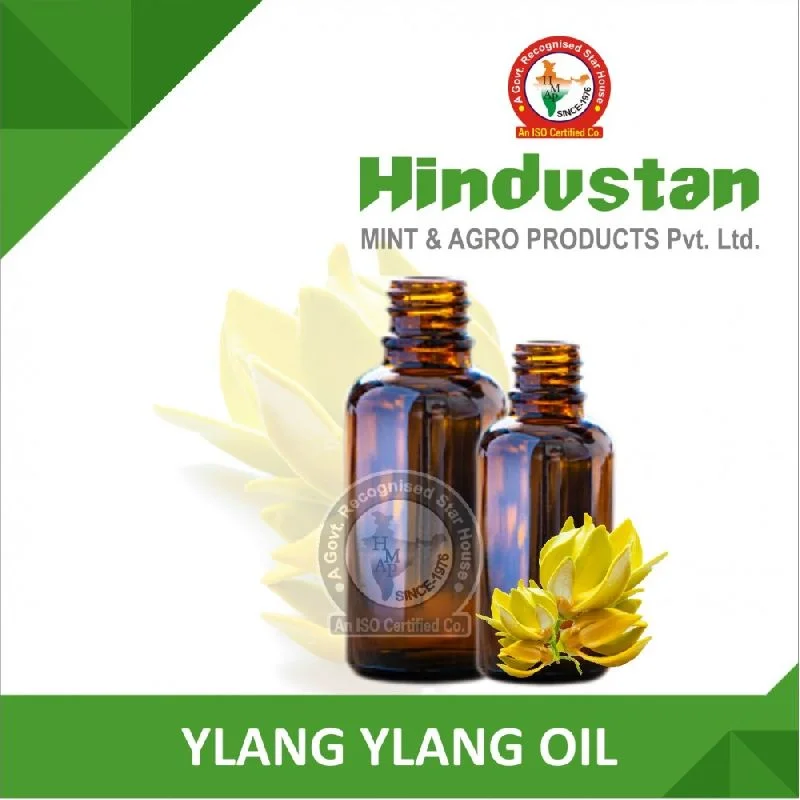
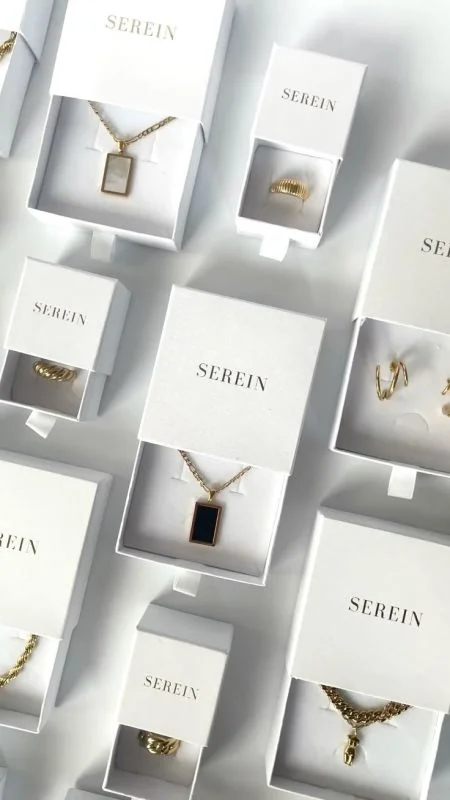
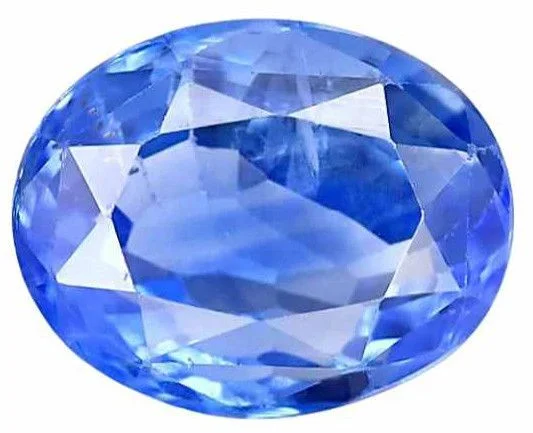
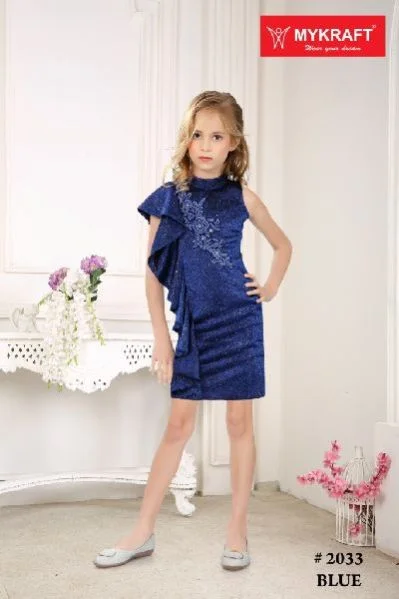
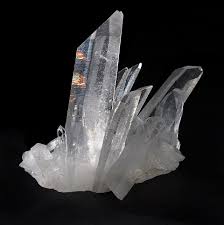
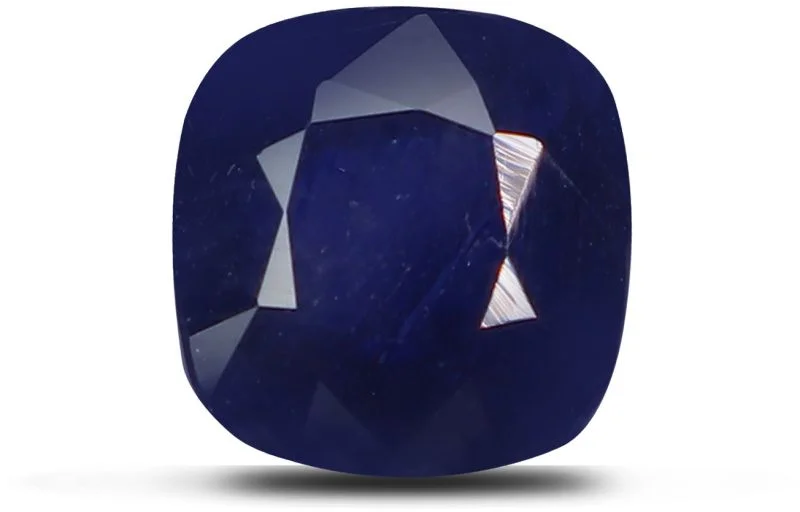
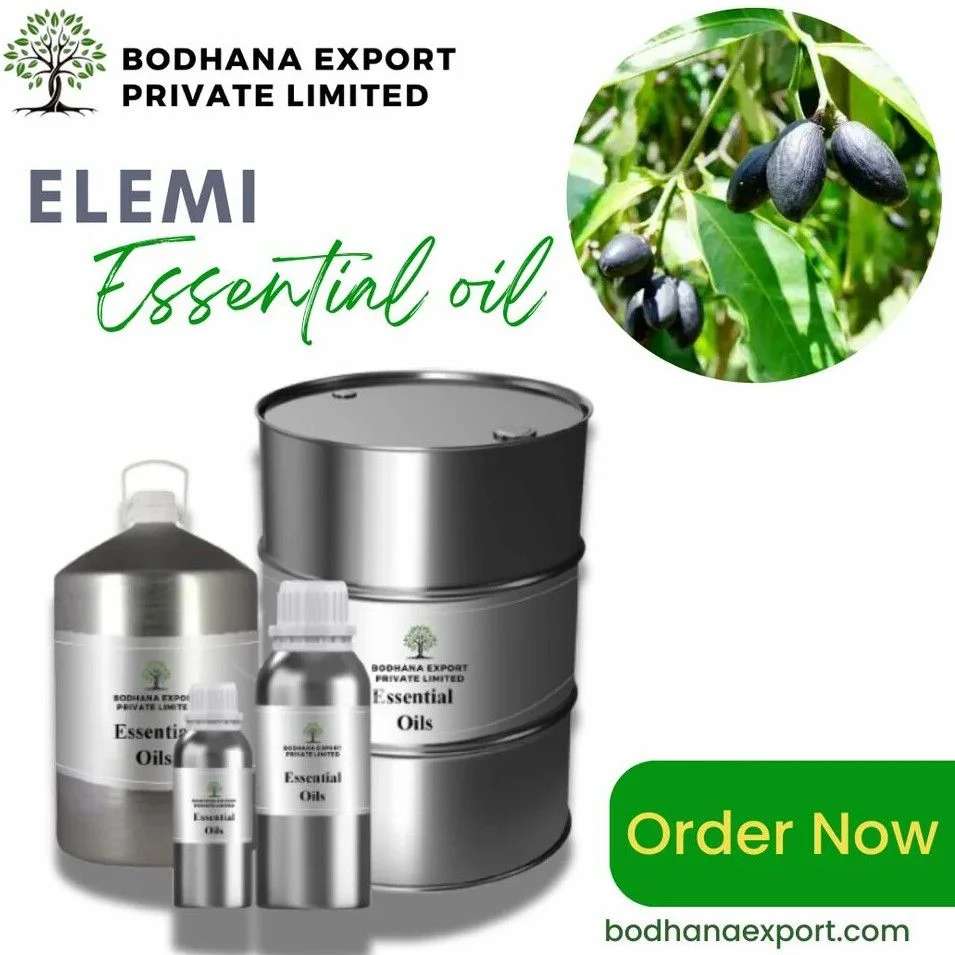
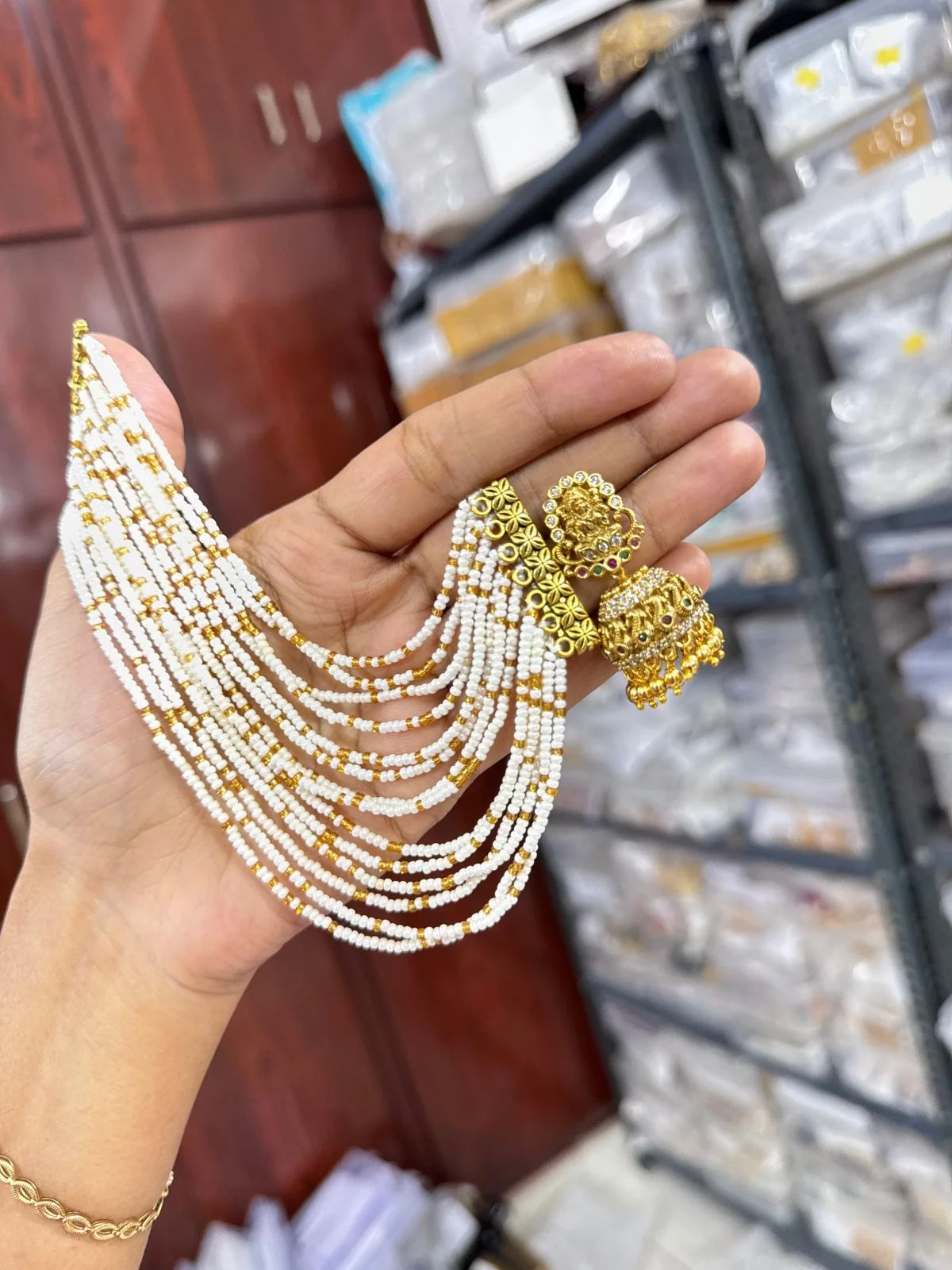
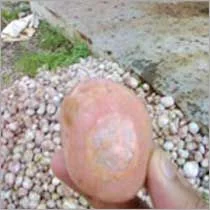
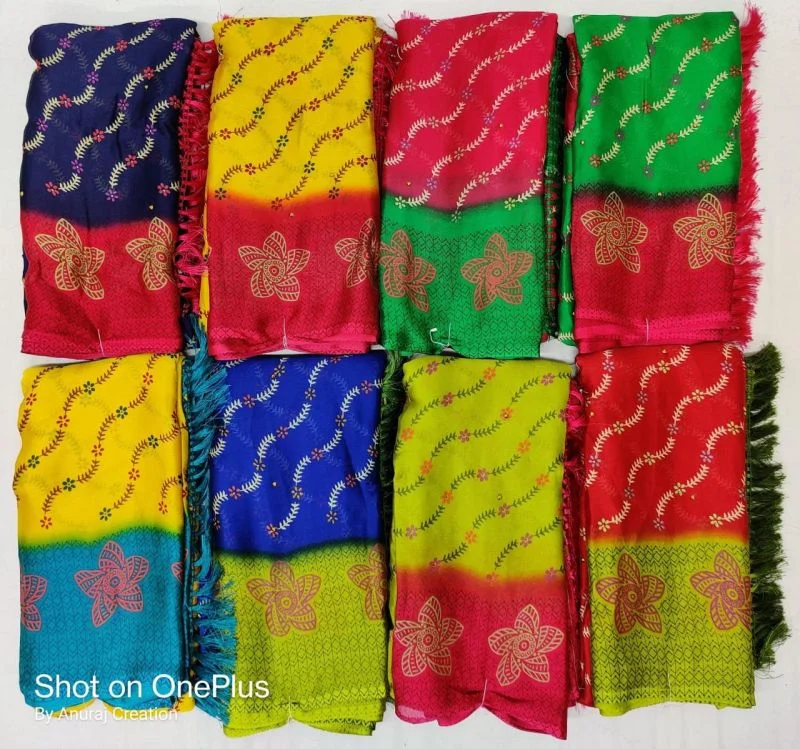
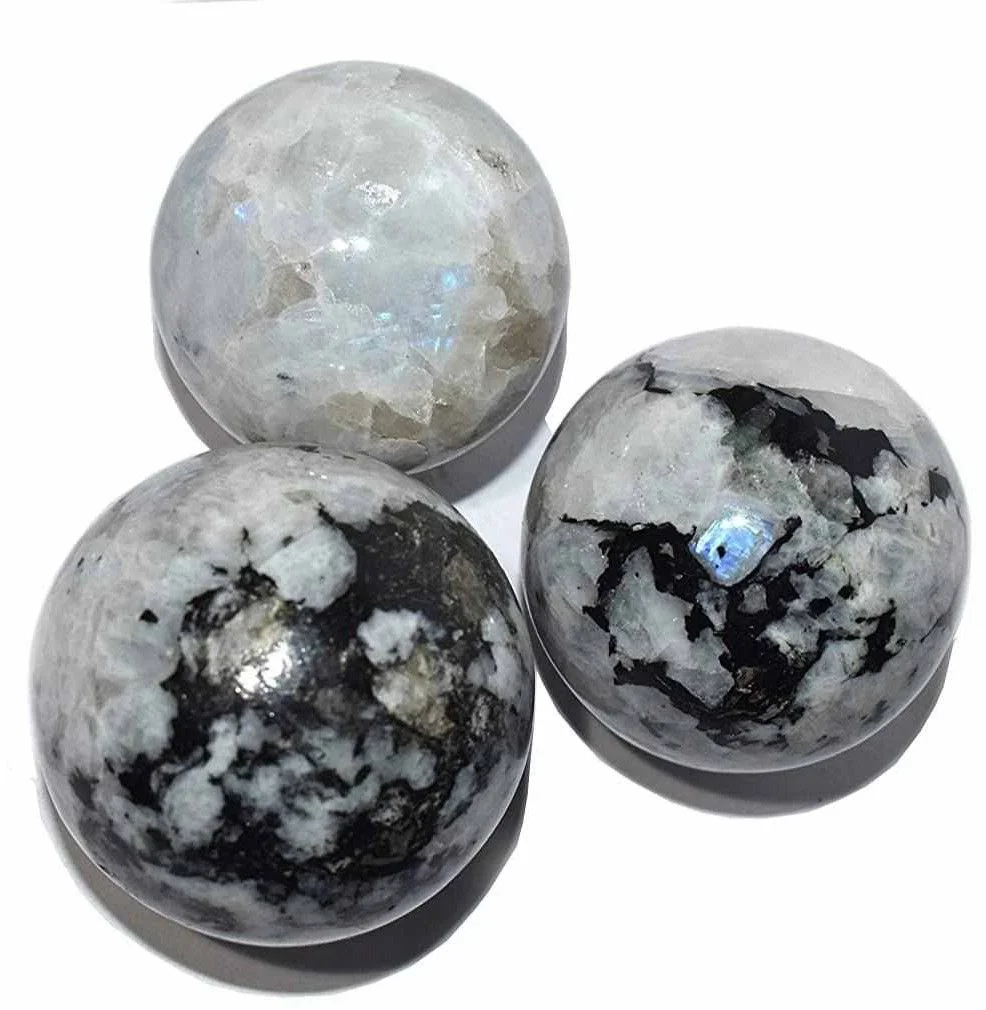
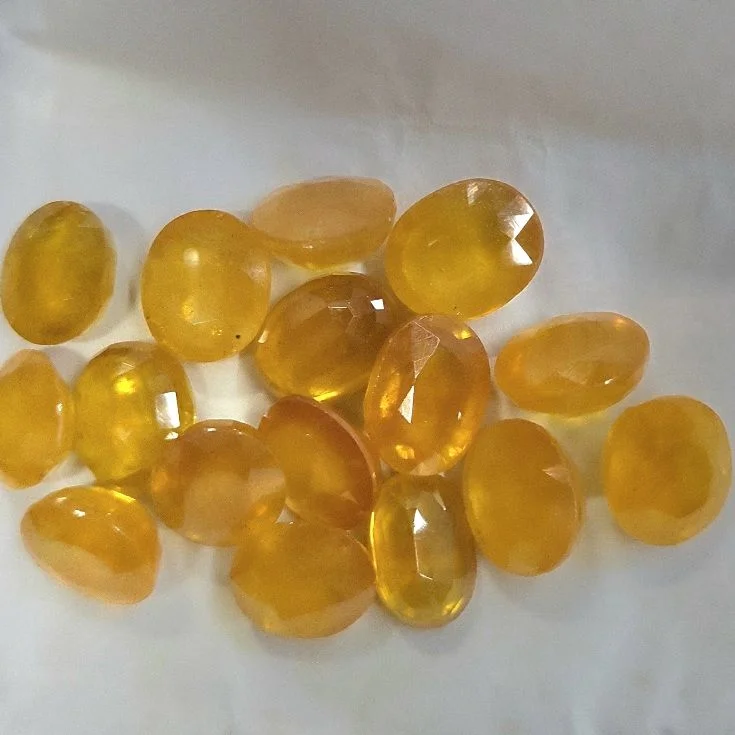
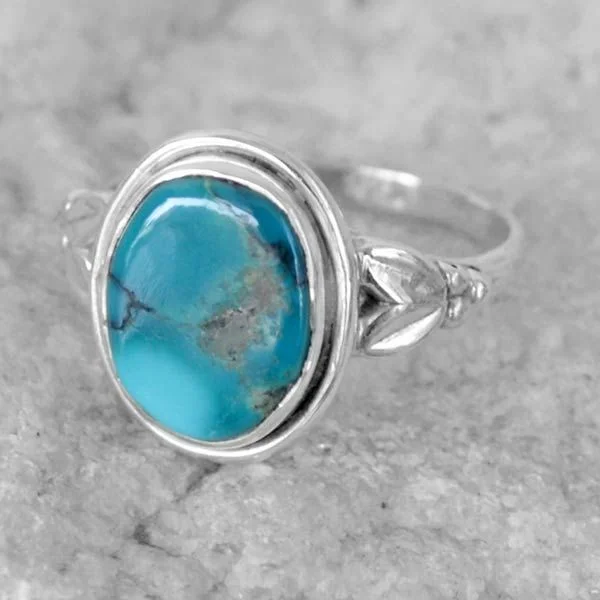
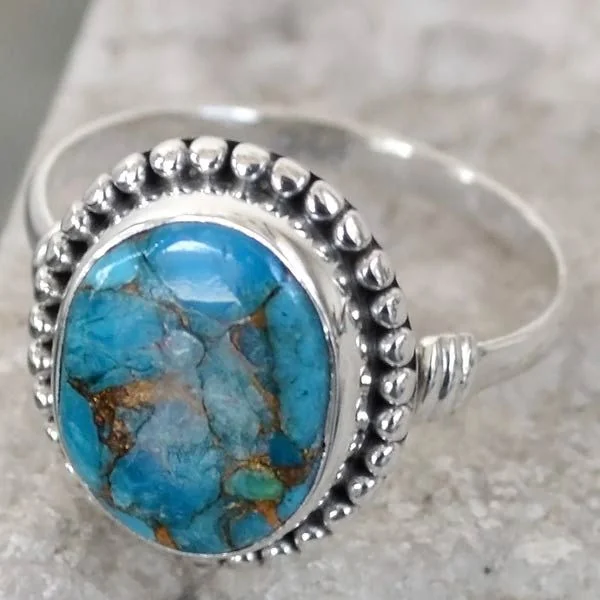
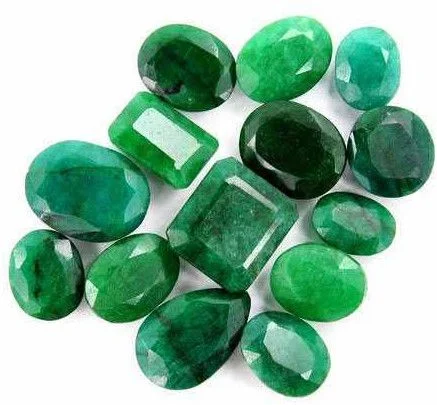
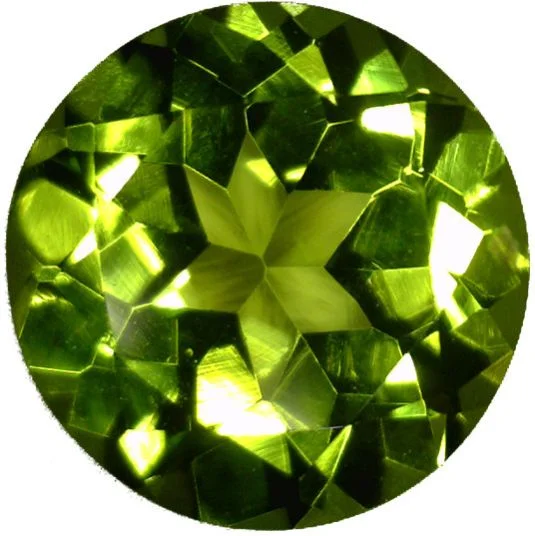
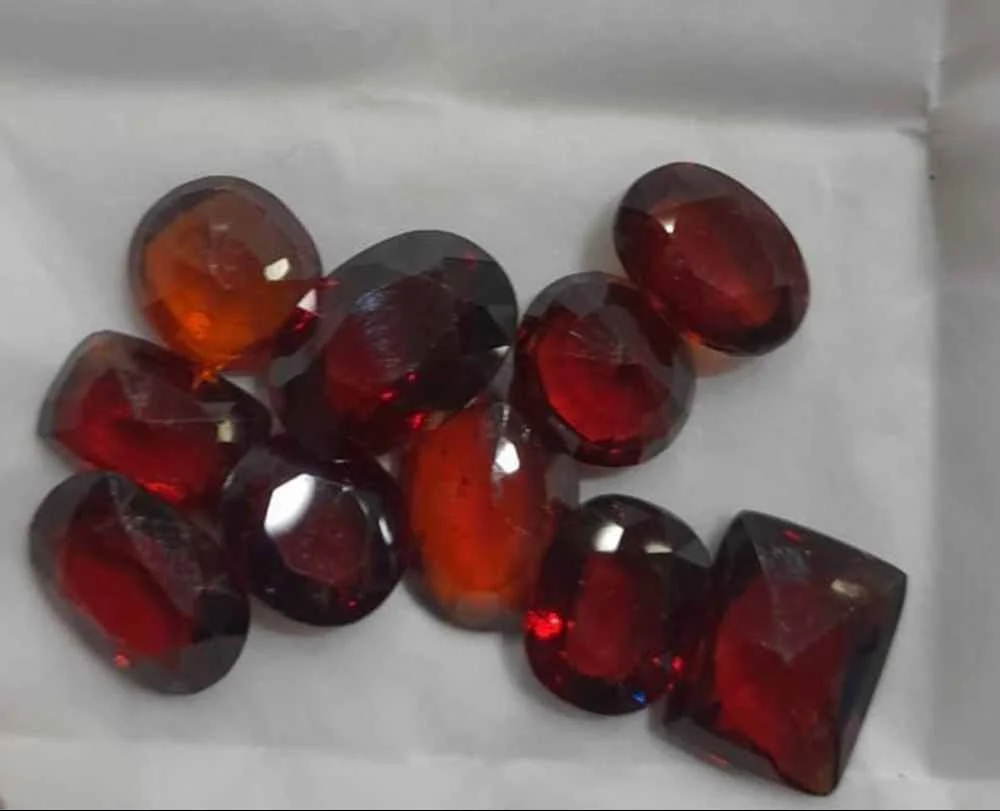
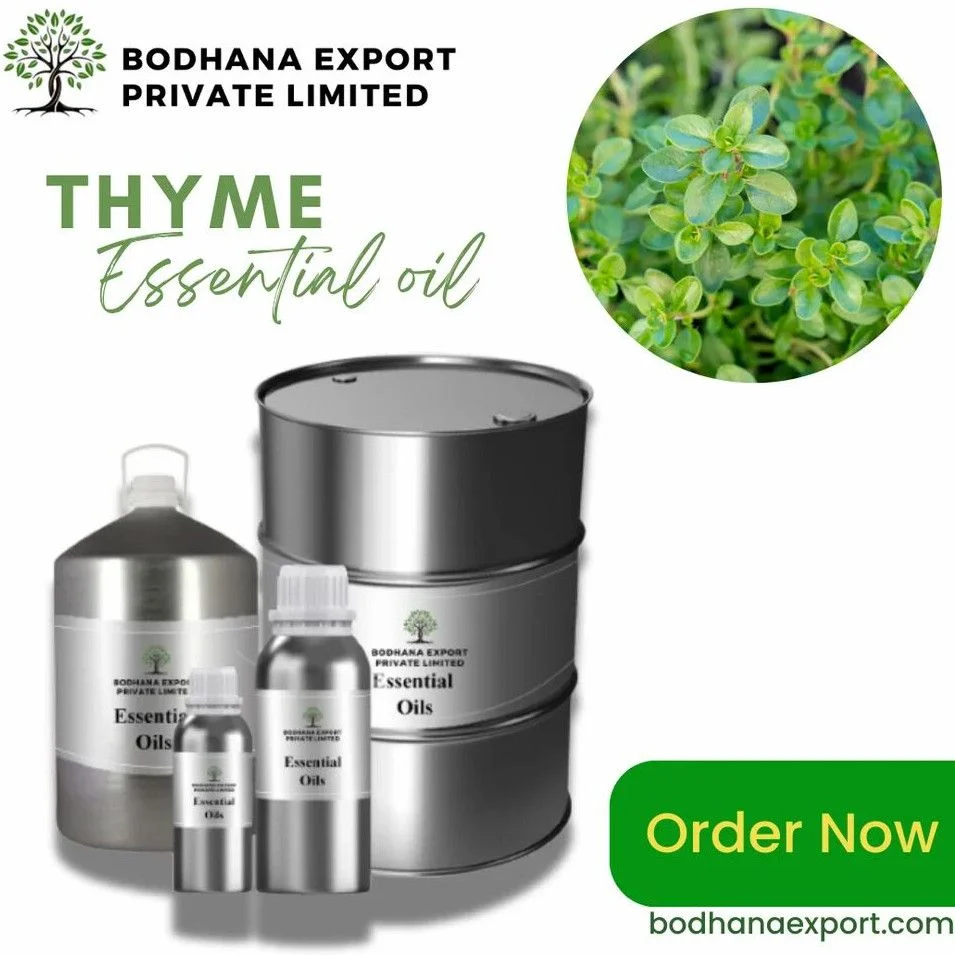
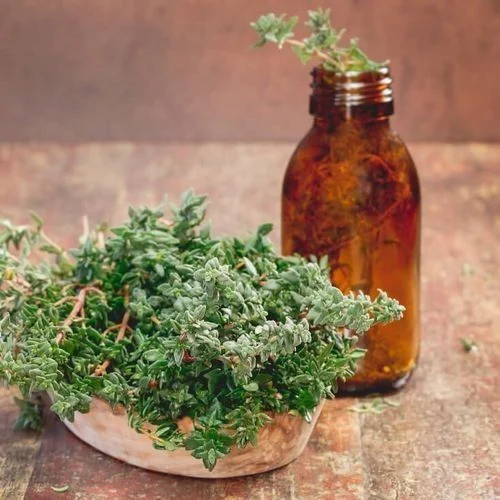
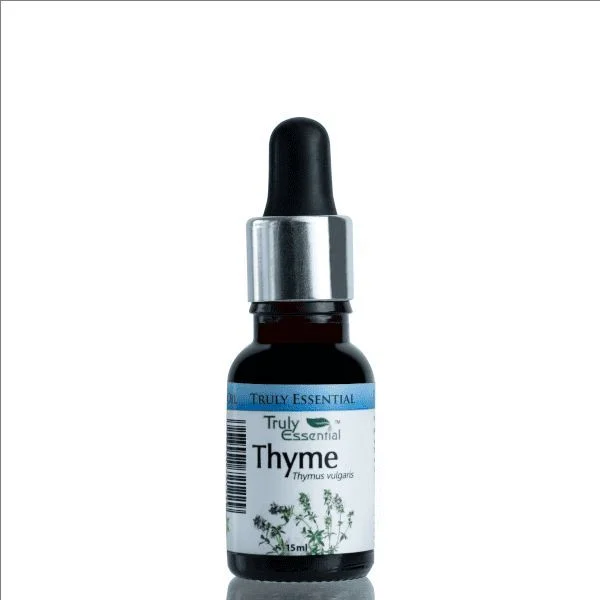
The United Kingdom supplier Gunasekara Constructions Ltd lists seven active products across several categories. The catalogue includes items from precious and semi‑precious stones, essential oils, artificial jewellery, traditional sarees, quartz minerals and blue sapphire gemstones. Each entry is recorded under the supplier’s own product names without additional branding. The active product count of seven reflects the current breadth of its online catalogue. Gunasekara Constructions Ltd presents a mix of tangible and processed goods: an Aromatherapy Oil, Silver Jewellery, Cut and Polished Gemstones, Hand Made Batik Garments, Pure Natural Quartz Lumps (HS code 2506.10, material Natural Quartz SiO2), Sri Lankan Blue Sapphire and Natural Alexandrite Gemstone. The listed HS code places the quartz lumps in chapter 25 for mineral products, while the other items fall under typical HS chapters for gems (71), jewellery (71.13), essential oils (33.01) and textiles (62).
Product Range and Specialties of Gunasekara Constructions Ltd
The supplier’s catalogue covers three gemstone groups - cut and polished gemstones, Sri Lankan blue sapphire and natural alexandrite - each commonly graded by carat weight, colour grading, clarity and origin certification. In the precious‑stone market, buyers frequently request a gemological report conforming to GIA or IGI standards. The silver jewellery entry is likely to be made of sterling silver (925 % Ag) and may carry hallmarks indicating purity and manufacturer. Essential oils such as the listed aromatherapy oil are usually sold as therapeutic‑grade products with a purity of 98 % or higher, verified by GC‑MS analysis. Natural quartz lumps (HS 2506.10) typically contain SiO2 purity above 99 % and are supplied in bulk bags or wooden crates for industrial use. Hand‑made batik garments and sarees are traditionally woven from cotton or silk, with GSM values ranging from 120 to 250 depending on the fabric weight. Buyers of these textile items often look for Oeko‑Tex or ISO 9001 compliance to assure safe dyeing processes.
Trade and Export Information - Gunasekara Constructions Ltd
United Kingdom exporters of gemstones and mineral products generally target markets in the Middle East, South‑Asia and the United States, where demand for coloured stones and quartz for electronics is strong. HS chapter 71 covers precious and semi‑precious stones, while chapter 71.13 is used for jewellery, and chapter 33.01 for essential oils. Importers typically require Kimberley Process certification for coloured stones, REACH compliance for essential oils, and ISO 9001 quality management for jewellery and textile shipments. Logistically, quartz lumps under HS 2506.10 are shipped in 20‑ft or 40‑ft containers on wooden pallets, often on FOB or CIF terms. Gemstones and jewellery are packed in reinforced wooden boxes with individual compartments to prevent abrasion. Batik garments and sarees are usually folded and placed in sealed cartons, sometimes with moisture‑absorbing packets to preserve fabric quality. Export documentation from the United Kingdom commonly includes a commercial invoice, packing list, certificate of origin, and where applicable, a Kimberley Process certificate for sapphires and other coloured stones.
Sourcing from Gunasekara Constructions Ltd - Buyer Guidance
When sourcing gemstones from Gunasekara Constructions Ltd, request a gemological report that details carat weight, colour grade, clarity and any treatment history. Verify that the supplier can provide Kimberley Process documentation for blue sapphire and any other coloured stones to confirm conflict‑free origin. For the aromatherapy oil, ask for a recent GC‑MS test report, a Certificate of Analysis showing purity (≥98 %) and compliance with REACH regulations. The quartz lumps should be accompanied by a material safety data sheet (MSDS) and a purity assay confirming SiO2 content above 99 %. Silver jewellery buyers should request a hallmark verification or a mill‑test report confirming 925 % silver content. For batik garments and sarees, ask for fabric composition details, GSM, and any Oeko‑Tex or ISO 9001 certificates that attest to safe dyeing and production practices. Confirm packaging dimensions and container loading plans before finalising the order to avoid unexpected freight costs.
Frequently Asked Questions About Gunasekara Constructions Ltd
What product categories are listed in Gunasekara Constructions Ltd’s catalogue?
The catalogue includes aromatherapy essential oil, silver jewellery, cut and polished gemstones, hand‑made batik garments, natural quartz lumps (HS 2506.10), Sri Lankan blue sapphire and natural alexandrite gemstone.
Which HS code applies to the quartz product?
The natural quartz lumps are classified under HS code 2506.10, which covers quartz and other siliceous stones used for industrial purposes.
What certifications are commonly required for blue sapphire imports?
Importers usually request a Kimberley Process certificate to confirm conflict‑free origin, along with a gemological grading report from an accredited lab such as GIA or IGI.
What quality tests should be requested for the aromatherapy oil?
Buyers should obtain a GC‑MS analysis and a Certificate of Analysis that verifies oil purity of at least 98 % and confirms compliance with REACH safety standards.
How are silver jewellery items typically verified for purity?
Silver jewellery is often accompanied by a mill‑test report or hallmark indicating a minimum of 925 % silver content, which can be cross‑checked with a fire‑assay if required.
What packaging is standard for gemstone shipments?
Gemstones are generally packed in individual soft pouches or foam inserts within reinforced wooden crates, with each crate sealed and labelled for handling.
What are typical lead times for hand‑made batik garments?
Lead times for batik garments usually range from four to eight weeks, depending on design complexity, fabric availability and the size of the order.
Which markets commonly import the types of products offered by this supplier?
Typical import markets include the United Arab Emirates, India, the United States and European Union countries, where demand for coloured gemstones, essential oils and traditional textiles is strong.




 , United Kingdom