Agriculture›
 Apparel and fashion accessories›
 Construction & real estate›💡Electronic & Electrical›🍎Food & Beverages›🛋️Home furnishing & supplies›⚗️Industrial goods & chemical›🪨Minerals & metals›📦Miscellaneous›Agriculture›Apparel and fashion accessories›Construction & real estate›💡Electronic & Electrical›🍎Food & Beverages›🛋️Home furnishing & supplies›⚗️Industrial goods & chemical›🪨Minerals & metals›📦Miscellaneous›
Gulf Orient General Trading
⚓ Harbor , United Arab EmiratesNew supplier / no reviews yet
Gulf Orient General Trading Product Catalog
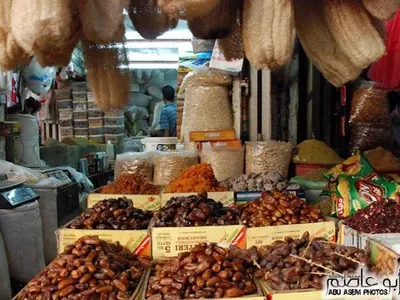

About Gulf Orient General Trading - Agriculture Supplier in United Arab Emirates
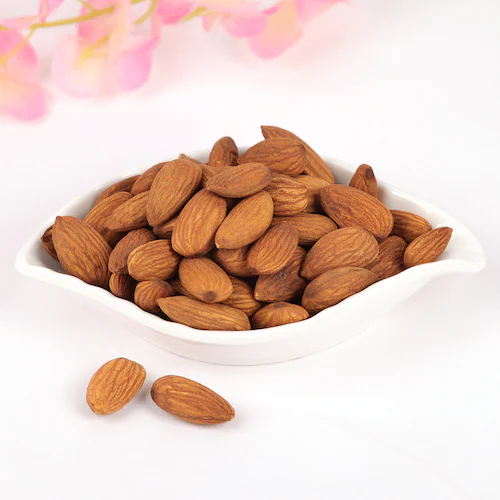
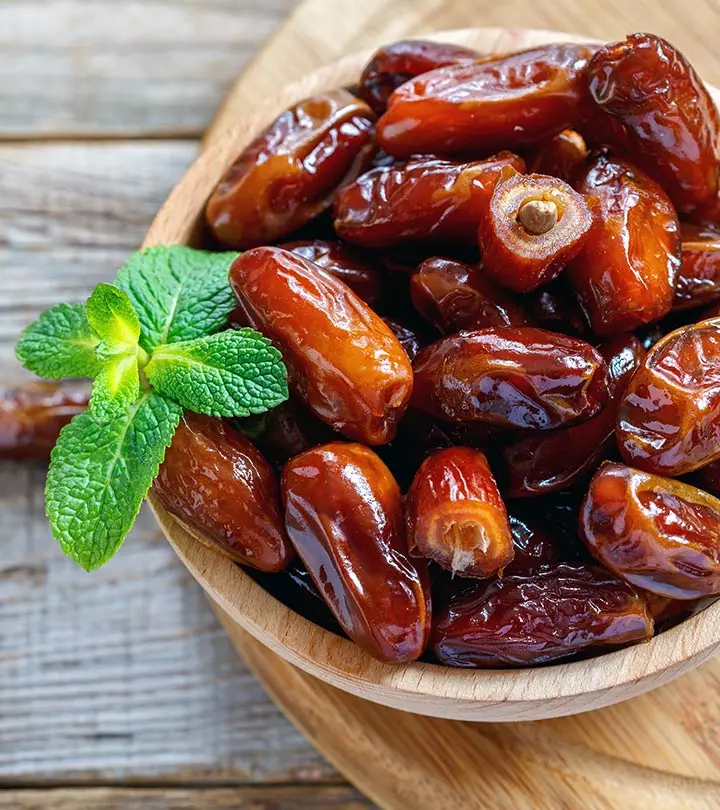
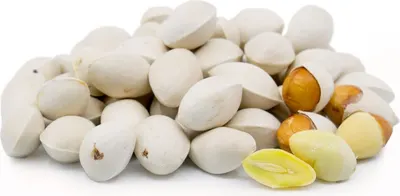
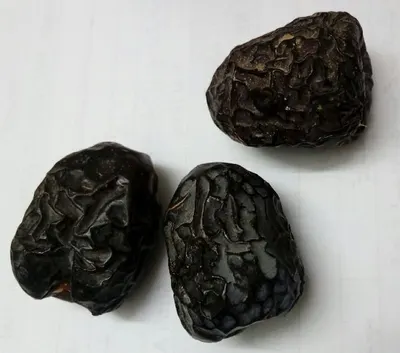
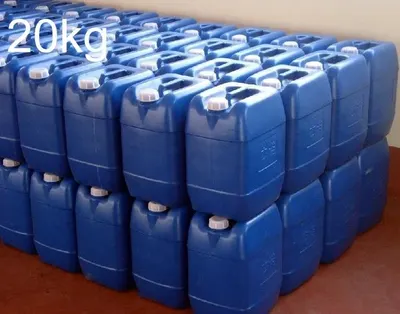
United Arab Emirates‑based Gulf Orient General Trading lists five active products across its agricultural and hydrocarbon portfolios. The catalogue records pistachio kernels, Zahedi Sasta dates, a mixed‑nut assortment that includes pistachios, almonds, raisins and figs, as well as paraffin and bitumen. Each entry is presented under the broader categories of agriculture and related industrial commodities, reflecting the supplier’s focus on both edible produce and petroleum‑derived materials. The product count of five indicates a targeted range rather than an extensive catalogue, allowing buyers to concentrate on specific commodity needs.
The pistachio entry is identified as kernels, suggesting a shelled, ready‑to‑eat format, while the mixed‑nut line expands the nut offering beyond pistachios to include almonds, raisins and figs. The date product is described as Zahedi Sasta, a cultivar commonly grown in the Gulf region. Paraffin and bitumen listings point to the supplier’s involvement in bulk chemicals used for applications such as coatings, candles and road construction. Together these items illustrate a blend of food‑grade agricultural goods and industrial petrochemical products.
Product Range and Specialties of Gulf Orient General Trading
The current catalogue separates pistachio kernels and a broader mixed‑nut category, allowing buyers to source single‑commodity pistachios or a diversified nut mix. In the nuts sector, typical industry grades are based on kernel size (e.g., US No.1, No.2), moisture content below 5 % and shelling rates above 80 %. Dates are usually graded by size, moisture (5 - 7 %) and sugar content, with Zahedi Sasta classified as a medium‑large fruit. Paraffin is commonly supplied in clear grade (CP 10) with a melt point around 45 °C and purity above 99 %, while bitumen is usually offered in penetration grades such as 60/70 with a softening point near 100 °C. These specifications align with standard buyer expectations for food safety and material performance.
Frequently Asked Questions About Gulf Orient General Trading
What varieties of pistachios does Gulf Orient General Trading offer?
The catalogue lists pistachio kernels as a separate product, indicating a shelled, ready‑to‑eat format. Specific size grades are not detailed, so buyers should request the kernel size classification and shelling rate.
Are the Zahedi Sasta dates suitable for bulk export?
Yes, the dates are listed as Zahedi Sasta, a cultivar commonly exported from the UAE. Buyers should ask for moisture content, sugar level and a phytosanitary certificate to meet import regulations.
What certifications should I request for the nut products?
Typical certifications include a phytosanitary certificate, HACCP compliance and aflatoxin test results. If organic status is required, an additional organic certification must be provided by the supplier.
What documentation is needed for paraffin purchases?
Request a Safety Data Sheet (SDS), a purity assay (usually ≥99 %) and melt‑point data. Compliance with ASTM D1652 or EN 14214 is commonly required for industrial buyers.
How is bitumen shipped from the UAE?
Bitumen is usually exported in bulk tanker shipments or in 25 kg drums for smaller orders. Buyers should verify the penetration grade (e.g., 60/70) and request a test report confirming softening point and viscosity.
United Arab EmiratesRelated Suppliers & Products
Explore similar suppliers, related products and trending categories