Agriculture›
 Apparel and fashion accessories›
 Construction & real estate›💡Electronic & Electrical›🍎Food & Beverages›🛋️Home furnishing & supplies›⚗️Industrial goods & chemical›🪨Minerals & metals›📦Miscellaneous›Agriculture›Apparel and fashion accessories›Construction & real estate›💡Electronic & Electrical›🍎Food & Beverages›🛋️Home furnishing & supplies›⚗️Industrial goods & chemical›🪨Minerals & metals›📦Miscellaneous›
Guangzhou Litop Non-Ferrous Metals Co., Ltd.
⚓ Harbor , ChinaNew supplier / no reviews yet
Guangzhou Litop Non-Ferrous Metals Co., Ltd. Product Catalog
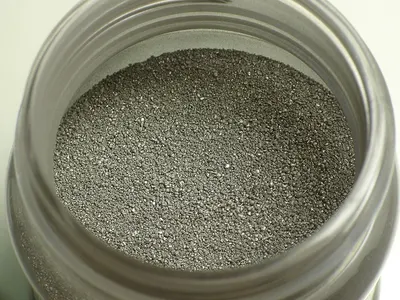
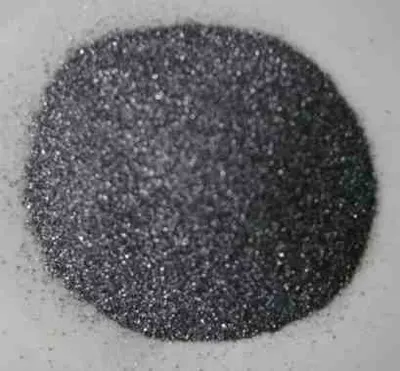
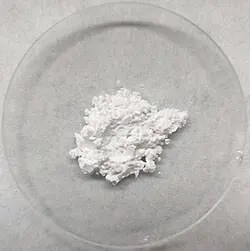
About Guangzhou Litop Non-Ferrous Metals Co., Ltd. - Metal Powder Supplier in China
Based in Guangzhou, China, Guangzhou Litop Non-Ferrous Metals Co., Ltd. currently lists five distinct products in its catalogue. The company’s focus is on metal powders and metallic elements, covering iridium powder, gallium metal, boron powder, ruthenium powder and bismuth powder. Ruthenium powder is recorded with HS code 8112.92 and a material specification of Ruthenium Ru 99.95 %. Bismuth powder carries HS code 8106.00 and is described as Bismuth Bi 99.99 %. All entries fall under the broader HS chapter 81 for base metals and precious metal powders.
The five catalogue items belong to two top categories: Metal Powder and Metallic Elements. Iridium, ruthenium and bismuth are listed as powders, while gallium appears as a metallic element in solid form, and boron is offered as a powder. HS code 8112.92 is the standard tariff heading for precious metal powders, whereas 8106.00 covers other metal powders and articles. The product descriptions include purity levels that exceed 99.9 % for most items, reflecting the high‑grade nature of the materials. Buyers can therefore expect specifications that align with typical industrial uses such as electronics, catalysts and alloy production.
Product Range and Specialties of Guangzhou Litop Non-Ferrous Metals Co., Ltd.
The catalogue presents iridium powder, gallium metal, boron powder, ruthenium powder (99.95 % purity) and bismuth powder (99.99 % purity). In the metal‑powder market, iridium and ruthenium powders are usually supplied in particle‑size ranges of 10‑100 µm and are graded by purity levels such as 99.9 % and 99.95 %. Gallium metal is commonly offered at 99.99 % purity in ingot or granule form for semiconductor and alloy applications. Boron powder is typically produced as amorphous or crystalline forms with particle sizes from 5‑50 µm, and high‑purity grades above 99.5 % are standard for specialty glass and hard‑metal uses. Bismuth powder, often used in low‑melting alloys, is usually supplied in 99.9 %+ purity and packaged in moisture‑resistant containers. Typical packaging for these powders includes sealed metal cans or laminated bags ranging from 5 kg to 25 kg, while solid gallium is often shipped in airtight drums or containers.
Industry practice for precious‑metal powders such as iridium and ruthenium includes compliance with ISO 9001 quality management and REACH registration for chemical safety. Buyers frequently request a Material Test Report (MTR) that details purity, particle‑size distribution, and trace‑metal analysis. For boron and bismuth powders, common specifications also list moisture content (<0.5 %) and bulk density. These parameters help end‑users in electronics, aerospace and alloy manufacturing ensure consistent performance.
Frequently Asked Questions About Guangzhou Litop Non-Ferrous Metals Co., Ltd.
What metal powders does Guangzhou Litop list in its catalogue?
The catalogue includes iridium powder, boron powder, ruthenium powder (99.95 % purity, HS 8112.92) and bismuth powder (99.99 % purity, HS 8106.00).
Is gallium offered as a powder or a solid metal?
Gallium is listed as a metallic element in solid form, typically supplied as high‑purity ingots or granules rather than a powder.
Which HS codes apply to the listed powders?
Ruthenium powder uses HS code 8112.92, which covers precious metal powders, while bismuth powder is classified under HS code 8106.00 for other metal powders and articles.
What purity levels are typical for these products?
The supplier specifies ruthenium at 99.95 % purity and bismuth at 99.99 % purity; iridium, gallium and boron are also offered in grades exceeding 99.9 % purity.
What certifications should a buyer request from this supplier?
Buyers should request a Material Test Report, REACH registration proof, RoHS compliance statement and, if required, ISO 9001 or ISO 14001 certification.
ChinaRelated Suppliers & Products
Explore similar suppliers, related products and trending categories



.jpg.png)