Agriculture›
 Apparel and fashion accessories›
 Construction & real estate›💡Electronic & Electrical›🍎Food & Beverages›🛋️Home furnishing & supplies›⚗️Industrial goods & chemical›🪨Minerals & metals›📦Miscellaneous›Agriculture›Apparel and fashion accessories›Construction & real estate›💡Electronic & Electrical›🍎Food & Beverages›🛋️Home furnishing & supplies›⚗️Industrial goods & chemical›🪨Minerals & metals›📦Miscellaneous›
Guangzhou Duro Welder Ltd.
⚓ Harbor , ChinaNew supplier / no reviews yet
Guangzhou Duro Welder Ltd. Product Catalog


About Guangzhou Duro Welder Ltd. - Welding & Wire Mesh Machinery Supplier in China
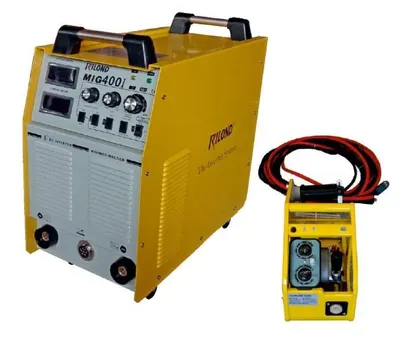
China, specifically the Guangzhou region, hosts 11 active product listings from Guangzhou Duro Welder Ltd. The company’s catalogue spans five top categories: Welding & Wire Mesh Machinery, Plastic Raw Materials, Light & Medium Machinery, Inductors & Transducers, and Heaters. Its offerings include a range of welding equipment such as automatic straight seam welders, hydraulic wire bending machines, and DC inverter precise battery welding machines. The list also contains butt‑flash welding units, resistance butt welding machines, and tube butt welding machines for copper and aluminum. In addition, the portfolio features high‑frequency induction heating machines, portable mini‑inductors, and an auto‑body dent removal induction heater. A single non‑machinery item, polypropylene granules, completes the catalogue.
All welding machines are classified under HS Chapter 84 (machinery) and are commonly used in automotive, construction, and pipe‑fabrication sectors. The polypropylene granules fall under HS Chapter 39 and are typically supplied in 25 kg bags or bulk containers for plastic molding applications. Induction heating and transducer equipment belong to HS Chapter 85, serving metal‑processing, electronics, and heat‑treatment industries. The product range reflects standard industry specifications such as welding current capacity up to 500 A, voltage control precision within ±1 %, and induction frequencies ranging from 10 kHz to 300 kHz. Buyers can expect equipment dimensions compatible with standard 20‑ft or 40‑ft container loading.
Product Range and Specialties of Guangzhou Duro Welder Ltd.
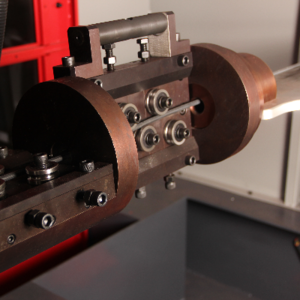
Guangzhou Duro Welder Ltd.’s catalogue lists eleven items, including automatic straight seam welding machines, hydraulic automatically wire bending machines, DC inverter precise battery welding machines, DW series cam type butt‑flash welding machines, resistance butt welding machines, Kia series DC inverter precise welding machines, copper and aluminum tube butt welding machines, polypropylene granules, high‑frequency induction heating machines, portable mini‑inductors, and auto‑body dent removal induction heaters.
In welding machinery, buyers typically look for IEC 60204 safety compliance, welding currents from 100 A to 600 A, and duty cycles expressed as % at rated current. Polypropylene granules are usually graded by melt flow index (MFI) values such as 2 - 5 g/10 min for injection molding, and they meet ASTM D1238 standards. High‑frequency induction heaters are evaluated by power output (kW), frequency range, and cooling methods, with CE marking and IEC 60784 certification common in export markets. Portable inductors often specify coil diameter, inductance (µH), and resonant frequency, while dent removal heaters are rated by surface temperature uniformity and safety interlocks.
Frequently Asked Questions About Guangzhou Duro Welder Ltd.
What types of welding machines does Guangzhou Duro Welder Ltd. offer?
They list automatic straight‑seam welders, hydraulic wire‑bending machines, DC inverter battery welders, cam‑type butt‑flash welders, resistance butt welders, and tube butt welders for copper and aluminium. These machines fall under HS Chapter 84 and typically provide welding currents between 100 A and 500 A with voltage regulation to ±1 %.
Are the welding machines compliant with international safety standards?
The catalogue does not specify certifications, so buyers should request IEC 60204 safety compliance certificates and, where required, CE or UL conformity test reports. Confirmation of these documents is standard practice for machinery imports.
What specifications are available for the polypropylene granules?
The granules are listed under the plastic raw materials category and are usually supplied with melt flow index values and meet ASTM D1238 or ISO 1133 standards. Buyers should ask for a recent MFI test report and a material safety data sheet.
How are the induction heating machines packaged for export?
High‑frequency induction heaters and portable mini‑inductors are typically crate‑packed with protective foam, and the packaging conforms to HS Chapter 85 export requirements. Documentation generally includes a packing list, CE marking evidence, and an EMC test report.
What are the typical lead times for the welding equipment?
Lead times for custom‑built welding machines in China usually range from 30 to 60 days after order confirmation, depending on model complexity and optional accessories. Buyers should confirm the production schedule with the supplier before placing the order.
ChinaRelated Suppliers & Products
Explore similar suppliers, related products and trending categories