Agriculture›
 Apparel and fashion accessories›
 Construction & real estate›💡Electronic & Electrical›🍎Food & Beverages›🛋️Home furnishing & supplies›⚗️Industrial goods & chemical›🪨Minerals & metals›📦Miscellaneous›Agriculture›Apparel and fashion accessories›Construction & real estate›💡Electronic & Electrical›🍎Food & Beverages›🛋️Home furnishing & supplies›⚗️Industrial goods & chemical›🪨Minerals & metals›📦Miscellaneous›
Growness Group Product Catalog
About Growness Group - Herbs Supplier in Ukraine
Growness Group is based in Ukraine and currently lists eight active products across its catalogue. The company’s portfolio covers several botanical categories, including herbs, oil seeds, plant roots and tissues, berries, and herbal extracts, reflecting a focus on raw plant material for the nutraceutical and food‑ingredient markets. Each product is identified by its botanical name, with the only HS‑code detail provided for the dried Rowan Berry (HS 0813.40). The range therefore includes both seed and fruit forms as well as whole herbs and roots, all presented as organic or natural variants.
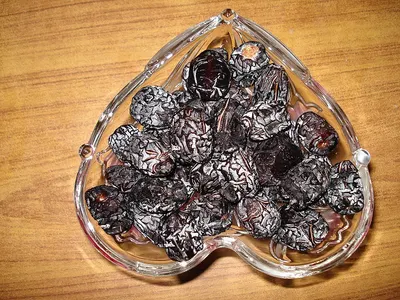
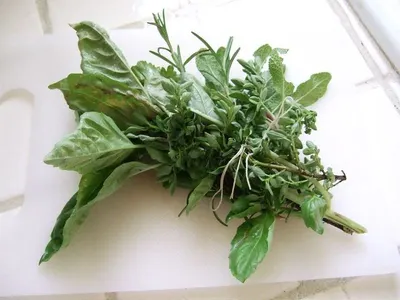
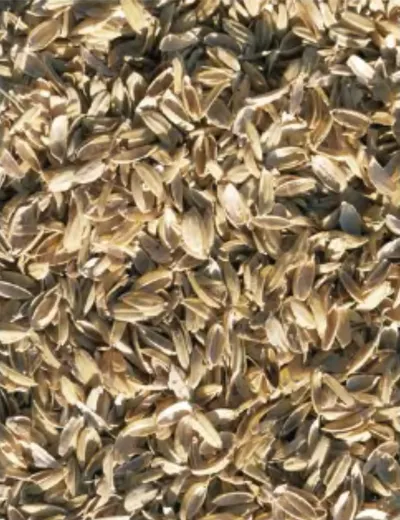
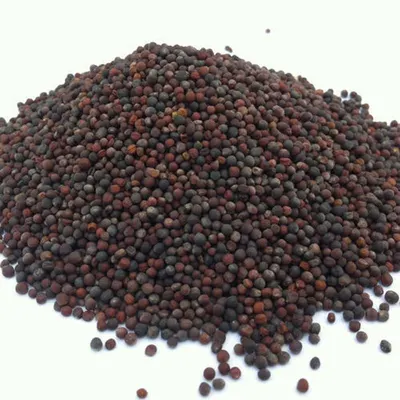
The eight items in the catalogue are: Arnica Montana Organic, Organic Elderberries Sambucus Nigra, Rosehip Seeds Organic, Valerian Root Organic, Rowan Berry Whole (HS 0813.40, dried Sorbus aucuparia), Aronia Berries Dried, Nettle (Tops With Leaves), and Milk Thistle Seeds. These products fall under HS chapters 0804‑0813 for dried fruits, 1206 for oil seeds, and 1211 for herbs and roots, which are the standard tariff classifications used by customs authorities worldwide. Growness Group’s listing therefore aligns with the typical HS‑code families used for botanical raw materials, facilitating straightforward customs clearance for international buyers.
Product Range and Specialties of Growness Group
The catalogue comprises organic Arnica flowers, elderberries, rosehip seeds, valerian root, dried Rowan and Aronia berries, nettle tops, and milk‑thistle seeds. In the global herb and seed market, organic status is usually verified against EU organic regulations (Regulation 834/2007) or USDA‑NOP standards, with typical moisture limits of 12 % for dried herbs and 8‑10 % for seeds. Buyers often request specifications such as particle size (e.g., 0.5‑2 mm for powdered herbs) or seed purity above 98 % for oil‑seed applications. Dried berries are commonly graded by color, moisture (≤12 %) and absence of foreign matter, with ICUMSA‑type grading used for sugar content in some fruit preparations.
Industry practice for these categories includes certifications such as ISO 22000, GMP, and HACCP, especially for ingredients destined for food, supplement or cosmetic formulations. Exporters of Ukrainian herbs and berries typically ship in 20‑ft or 40‑ft containers using food‑grade polypropylene bags (25 kg) or bulk cartons, with each container able to hold 1‑2 tons of dried material depending on packaging density. The presence of the HS code 0813.40 for the Rowan Berry aligns it with the “other fruit, nuts and other edible parts of plants” tariff line, which is the standard classification for dried non‑citrus berries.
Frequently Asked Questions About Growness Group
What organic certifications does Growness Group hold for its products?
The supplier lists its products as organic, but the specific certification (EU organic, USDA‑NOP, etc.) should be confirmed by requesting the current certification documents from the seller.
Which markets does Growness Group primarily export to?
While the supplier’s target markets are not listed, Ukrainian herb and berry exporters generally serve the EU, Middle East and East Asian regions.
Which HS code is used for the dried Rowan Berry product?
The catalogue specifies HS code 0813.40 for the whole dried Rowan Berry (Sorbus aucuparia). This code falls under the “other fruit, nuts and other edible parts of plants” category.
Are phytosanitary certificates available for all products?
Phytosanitary certificates are standard for botanical imports; buyers should ask Growness Group to provide a phytosanitary certificate for each shipment to satisfy customs and import regulations.
What typical moisture content is expected for the dried herbs and berries?
In the industry, dried herbs and berries are usually required to have a moisture content of 10‑12 % (maximum) to ensure stability and prevent mold growth.
 Ukraine
Related Suppliers & Products
Explore similar suppliers, related products and trending categories