Global Vg — Verified Supplier
About Global Vg - Industrial Chemicals Supplier in Poland
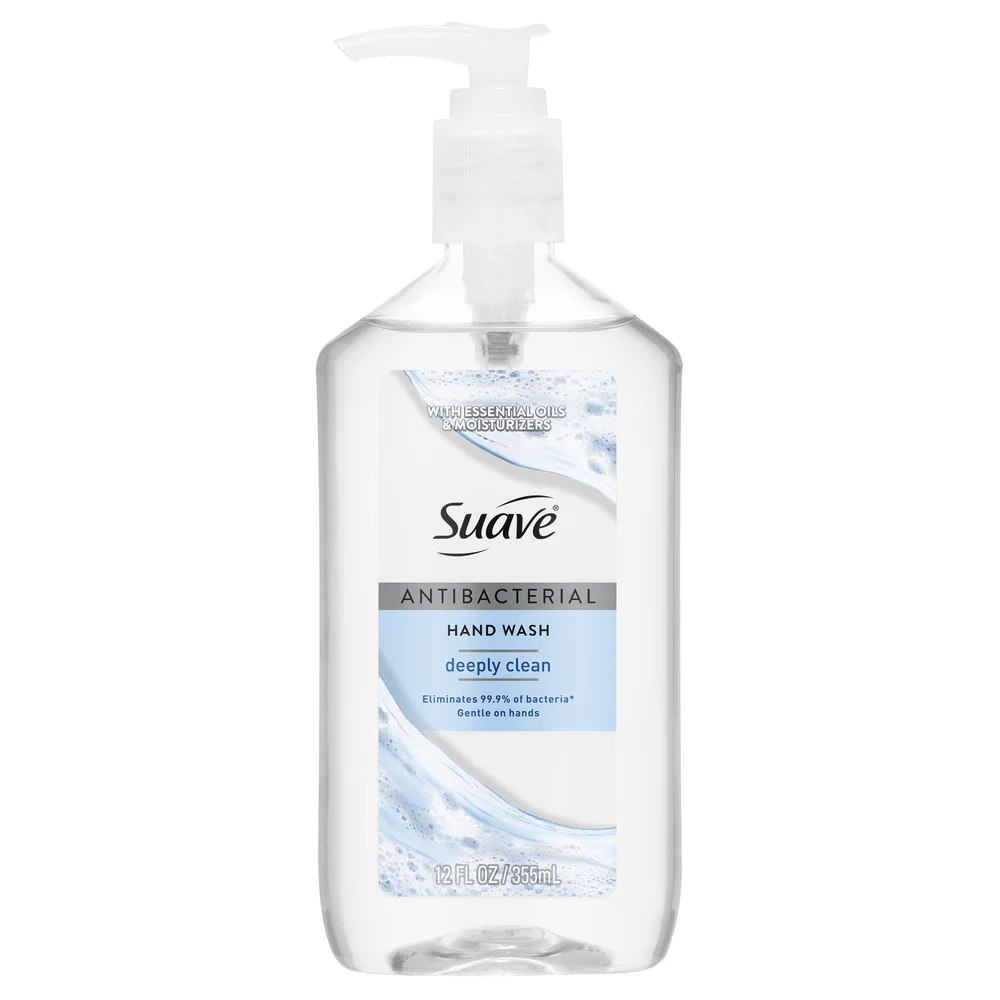
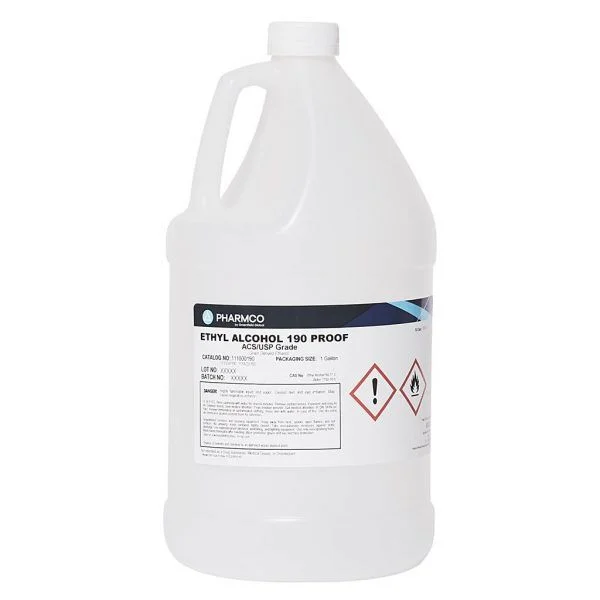
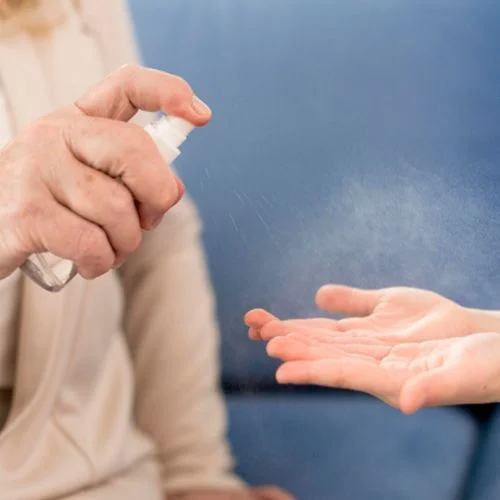
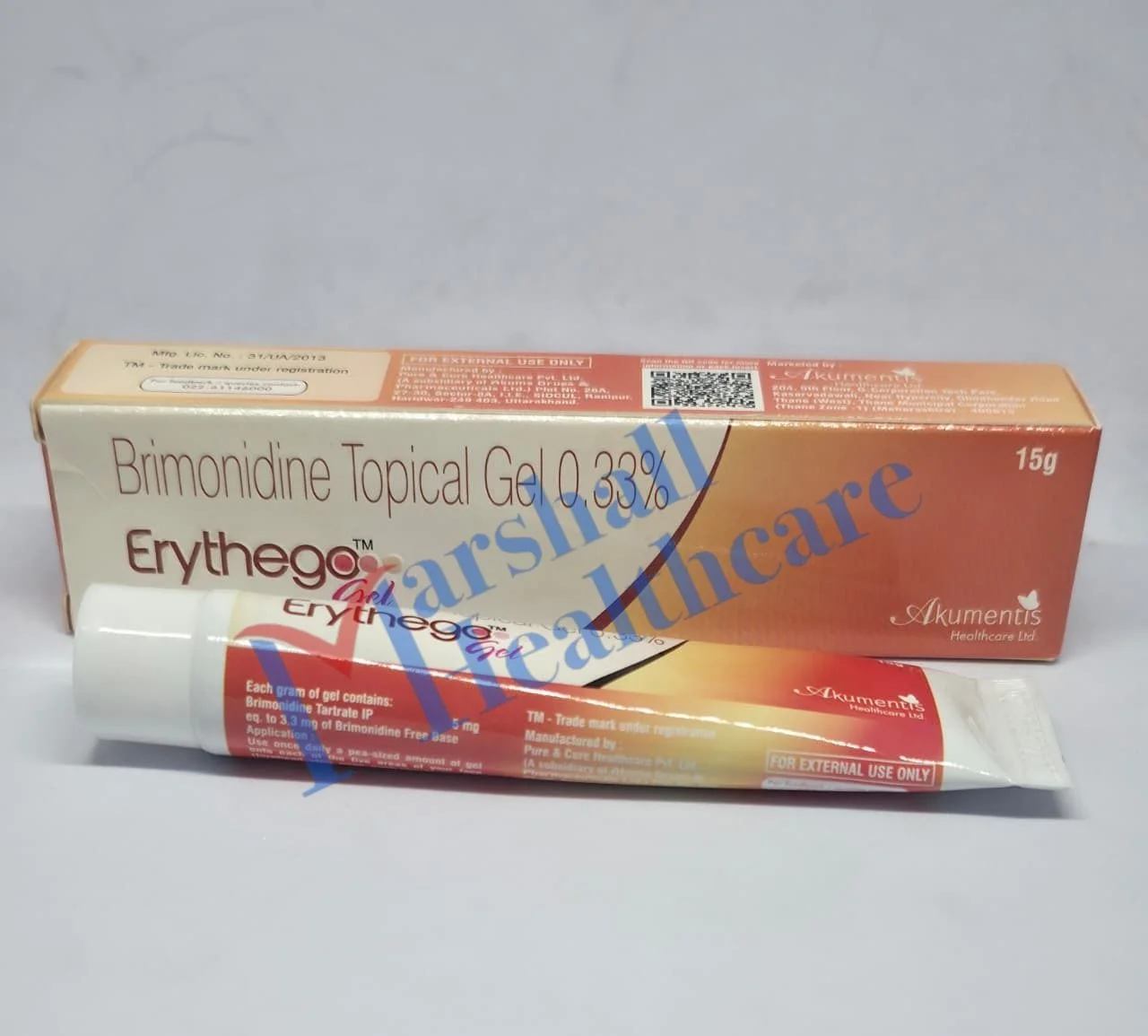
Poland hosts Global Vg, a supplier listed with 11 active products covering industrial chemicals, dairy analogues and ethanol derivatives. The catalogue includes ethanol (HS 2207.10), bioethanol 99.5% (HS 2207.20), clean ethanol (HS 2207.20) and a special price bio‑ethanol fuel grade, as well as an antibacterial gel (HS 3304.99) and an alcohol‑based cleaning spray (HS 3808.94). In the food segment the company lists mozzarella cheese (HS 0406.10), mozzarella analogue (HS 0406.30) and a generic cheese and cheese analogue (HS 0406.00). A chemical concentrate for disinfection is also mentioned, though no HS code is provided. The product list therefore spans HS chapters 22 (organic chemicals), 33 (essential oils) and 04 (dairy products).
Materials reported range from anhydrous ethanol (C2H5OH) and bio‑ethanol fuel grade to alcohol‑based gels containing 60‑80 % ethanol, and from cow‑milk mozzarella to blended dairy‑vegetable analogues using milk proteins, vegetable oils and starches. The antibacterial gel and cleaning spray use isopropyl or ethyl alcohol as the active disinfectant. Cheese entries specify cow’s milk or water buffalo milk for mozzarella, and vegetable‑oil based bases for analogues. The listed HS codes place the ethanol products under heading 2207 (spirits, spirits and wine) and the dairy items under heading 0406 (cheese and curd). No specific certifications are stated in the supplier data.
Product Range and Specialties of Global Vg
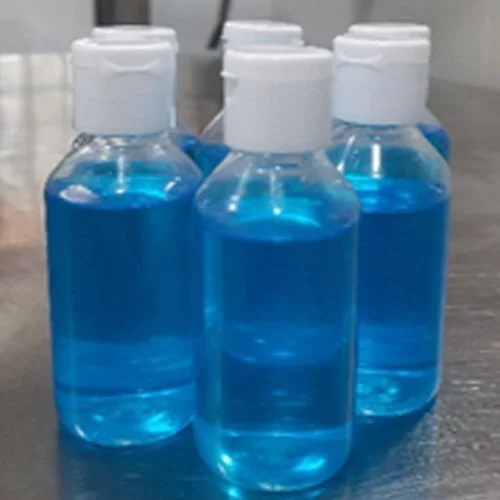
Ethanol products are offered in several purity levels: standard industrial ethanol (≈95 % vol), anhydrous ethanol (≥99.5 % purity) and bio‑ethanol fuel grade meeting EN 15376 specifications. In European trade, industrial ethanol is often required to comply with REACH registration and may need a Certificate of Analysis confirming water content below 0.5 %. The antibacterial gel is formulated with 60‑80 % ethanol, a concentration that aligns with EU biocidal product regulations (Biocidal Products Regulation, BPR) and typically carries a CE marking for disinfectant claims. Cleaning sprays that combine isopropyl and ethyl alcohol fall under HS 3808 and are commonly packaged in 1 L or 5 L containers with safety data sheets.
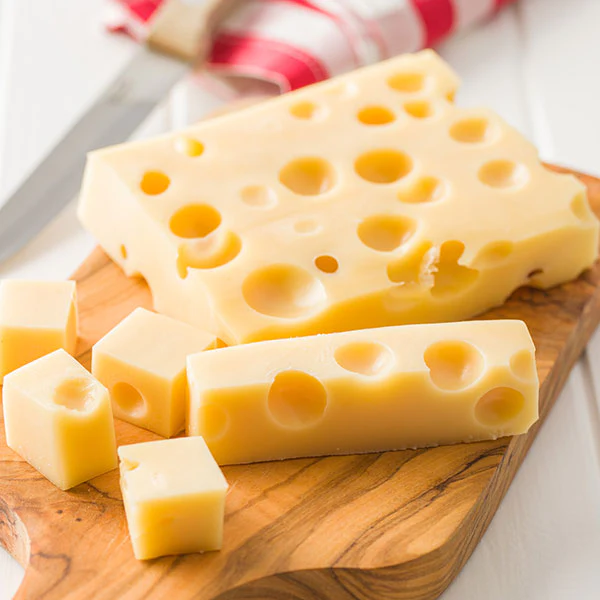
Cheese listings include fresh mozzarella (cow or water buffalo milk) which in the EU is classified as a fresh cheese with moisture content around 55‑60 % and a minimum fat in dry matter of 45 %. Cheese analogues use a blend of milk proteins, vegetable oils and starches, and are usually marketed under the “cheese analogue” category that must meet EU food safety standards, including HACCP certification and a declaration of allergen content. Standard packaging for mozzarella ranges from 200 g blocks to bulk vacuum‑packed slabs, while analogues are often supplied in 25 kg bags for food‑service use.
Trade and Export Information - Global Vg
Poland is a member of the European Union, and its exporters of ethanol and bio‑ethanol typically ship to Western European markets, the Middle East and North Africa under Incoterms FCA or CIP. HS chapter 22 products require compliance with EU customs valuation and may be subject to excise duties depending on end‑use; fuel‑grade bio‑ethanol often needs a fuel‑quality certificate such as EN 15376. Dairy products under HS 0406 are usually exported to EU member states, CIS countries and North‑American importers, with phytosanitary certificates and a certificate of origin required for customs clearance.
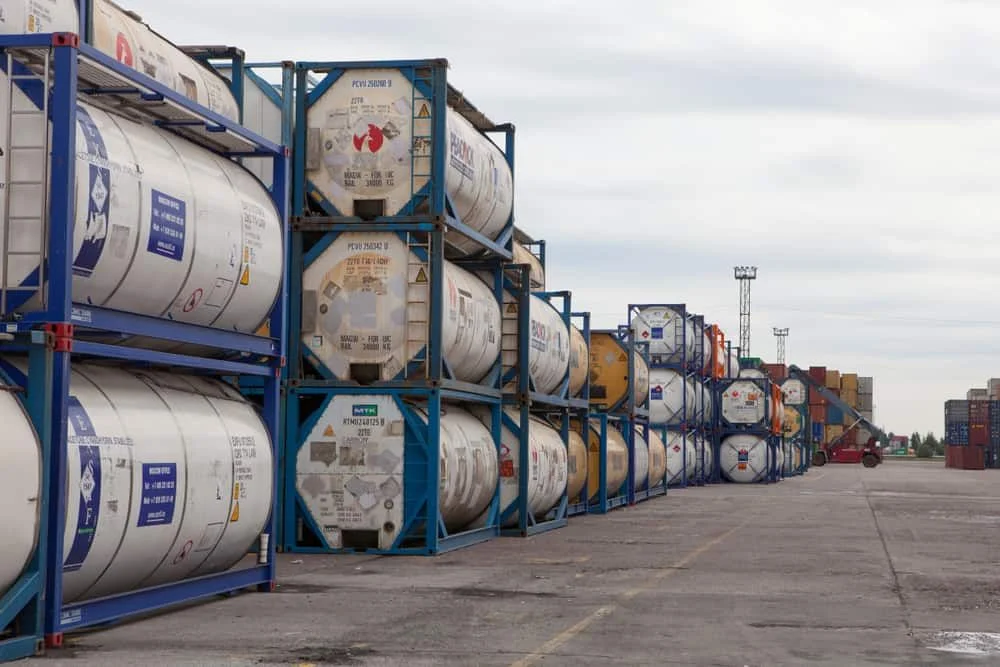
Buyers of industrial chemicals generally request a Material Safety Data Sheet (MSDS), a Certificate of Analysis, and proof of REACH registration. For cheese and cheese analogues, importers normally ask for a HACCP audit report, a sanitary inspection certificate, and, where applicable, a Kosher or Halal certification. Packaging for ethanol is commonly IBC (intermediate bulk container) of 1 000 L or 5 000 L, while cheese is packed in insulated cartons or vacuum‑sealed plastic. Typical container loads are 20‑ft or 40‑ft containers, with ethanol often shipped in bulk tankers and cheese in temperature‑controlled containers.
Sourcing from Global Vg - Buyer Guidance
When sourcing ethanol from Global Vg, request a recent Certificate of Analysis that specifies ethanol purity, water content and denatured‑alcohol status. Verify that the supplier can provide REACH registration documentation and, for bio‑ethanol fuel grade, an EN 15376 compliance certificate. Samples of the antibacterial gel should be accompanied by a microbiological efficacy report and a safety data sheet.
For cheese products, ask for a HACCP certification copy, a recent laboratory analysis of moisture, fat and protein, and a declaration of any allergens from the vegetable‑oil base. Confirm the packaging format (vacuum‑packed blocks, bulk bags) and the ability to meet cold‑chain requirements during transport. Clarify the minimum order quantity, which for bulk cheese analogues is commonly 5 000 kg, and the lead time, typically 4‑6 weeks after order confirmation.
Frequently Asked Questions About Global Vg
What types of ethanol does Global Vg offer?
The catalogue lists standard industrial ethanol (HS 2207.10), anhydrous ethanol (HS 2207.20) and bio‑ethanol at 99.5 % purity for fuel use (HS 2207.20). All variants are based on ethyl alcohol (C2H5OH) and are typically supplied in IBC tanks or 200 L drums.
Are safety data sheets available for the alcohol‑based products?
Yes, Global Vg provides a Material Safety Data Sheet for each ethanol‑based item, including the antibacterial gel (HS 3304.99) and cleaning spray (HS 3808.94). The MSDS details hazard classification, handling instructions and first‑aid measures.
What certifications should a buyer request for the cheese products?
Buyers should request a HACCP audit report, a sanitary inspection certificate and, where relevant, allergen labeling for the vegetable‑oil based cheese analogues. For mozzarella cheese (HS 0406.10) a dairy quality certificate confirming moisture and fat content is also customary.
What are the typical packaging options for the mozzarella cheese?
Mozzarella is commonly packed in vacuum‑sealed plastic trays of 200 g or in bulk vacuum‑packed slabs of up to 25 kg. The supplier can also supply the product in insulated cartons for refrigerated transport.
What is the minimum order quantity for the bio‑ethanol fuel grade?
The bio‑ethanol fuel grade (HS 2207.20) is usually sold in IBC containers of 1 000 L, with a typical minimum order of one IBC. Larger orders can be consolidated into 20‑ft or 40‑ft tank containers.
Which HS codes apply to the dairy analogues?
Mozzarella analogue falls under HS 0406.30, while the generic cheese and cheese analogue are classified under HS 0406.00. Both codes are part of chapter 04, covering dairy products and substitutes.
What lead time should buyers expect for a first shipment?
Lead times reported for ethanol products are generally 3‑4 weeks after receipt of a purchase order and required documentation. Cheese and cheese analogues usually require 4‑6 weeks to allow for production, packaging and cold‑chain preparation.




 , Poland