Ganesha Crystal Agate — Supplier
About Ganesha Crystal Agate - Handicrafts & Decorative Supplier in India
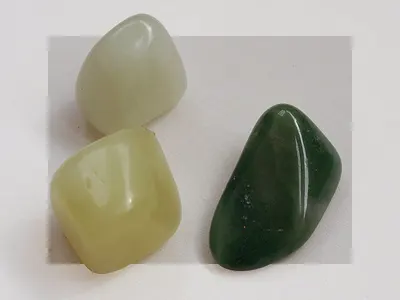
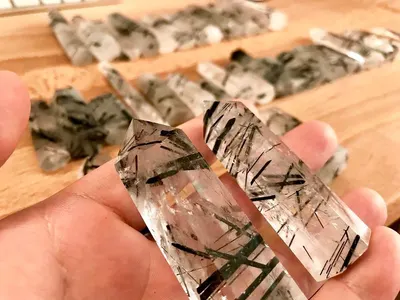
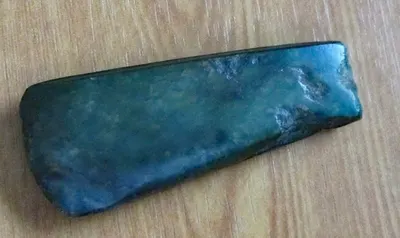
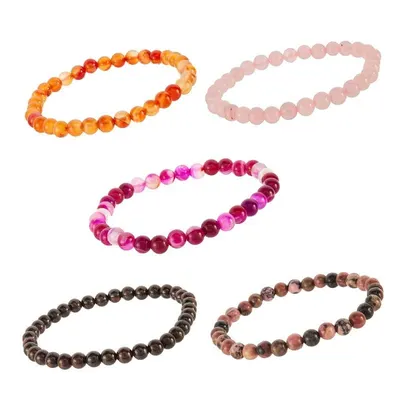
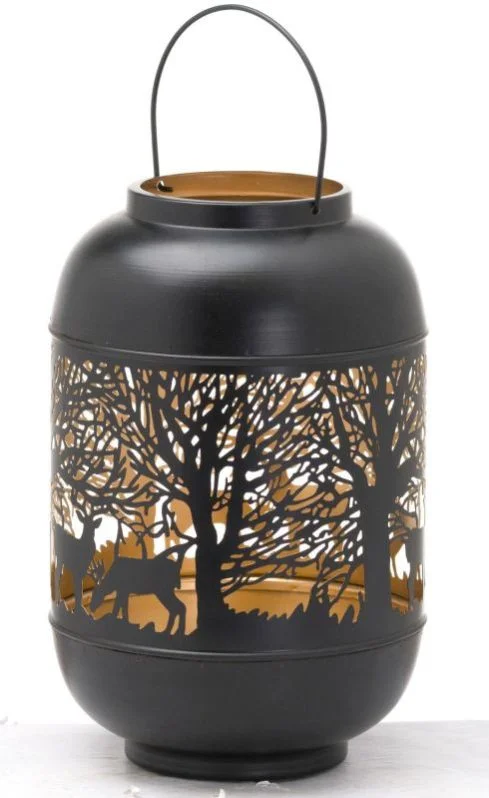
India hosts 35 active listings from Ganesha Crystal Agate, covering categories such as Other Handicrafts & Decorative, Stones & Slates, Dinner, Tea & Coffee Sets, Tea & Coffee Mugs, Artificial Bracelets, Wine Glasses, Cutlery and Kitchen Plates. The catalogue includes items ranging from green onyx crystal wine glasses and natural hand‑carved obsidian knives to rose quartz teacups, gemstone bead bracelets and a variety of tumbled stones. Each product falls under the broader HS code families for glassware (HS 7013), natural or semi‑precious stones (HS 7103), and ornamental articles of precious metal or imitation jewellery (HS 7117).
The supplier’s listings combine functional tableware with decorative stone objects, reflecting typical Indian export segments for handcrafted crystal and gemstone items. Buyers can expect glassware that meets food‑contact standards, stone pieces that are hand‑carved or polished to common industry grades such as clear, polished or tumbled finishes, and jewellery‑type accessories that are sized for standard bracelet or pendant fittings. The product set aligns with the HS code families mentioned, which are routinely inspected under customs and quality‑control regimes for safety, purity and accurate description.
Product Range and Specialties of Ganesha Crystal Agate
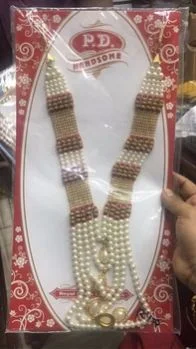
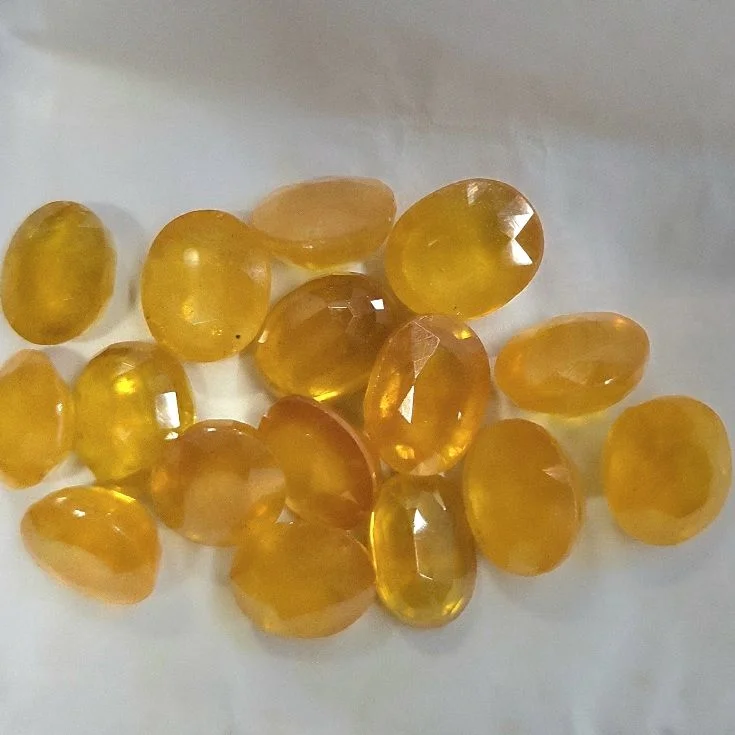
The catalogue presents green onyx crystal wine glasses, natural obsidian knives, rose quartz teacups with plates, and a selection of gemstone beads, bracelets and pendants. Typical industry specifications for crystal glassware include lead‑free composition, thickness between 2‑4 mm, capacity of 200‑300 ml for wine glasses and a clear, scratch‑resistant surface. For stone items, buyers often reference Mohs hardness (e.g., onyx 6.5 - 7, obsidian 5.5 - 6), carat weight, and polish grade such as ‘polished’, ‘tumbled’ or ‘hand‑carved’. Artificial bracelets and gemstone jewellery are usually measured by length (e.g., 180‑210 mm for bracelets) and bead size (6‑10 mm diameter). Kitchen plates and cutlery made from stone or crystal are evaluated for food‑grade safety, edge smoothness and weight stability, commonly ranging from 250‑400 g per plate.
Trade and Export Information - Ganesha Crystal Agate
Indian handicrafts and decorative stone products are regularly exported to the United States, European Union, the Middle East and Southeast Asian markets. The relevant HS chapters are 70 (glass and glassware), 71 (natural or cultured pearls, precious or semi‑precious stones) and 82 (cutlery and kitchenware). Buyers typically request certifications such as ISO 9001 for quality management, and for stone goods, a Gemological Institute of America (GIA) or equivalent authenticity report. Export logistics often use 20‑ft or 40‑ft containers with individual items packed in cardboard boxes, foam inserts and sealed poly‑bags to prevent chipping. Common Incoterms are FOB (Port of Mumbai or Chennai) or CIF to major ports, with customs inspections focusing on HS code accuracy, material composition and safety compliance for food‑contact items.
Sourcing from Ganesha Crystal Agate - Buyer Guidance
When sourcing from Ganesha Crystal Agate, request a material safety data sheet (MSDS) for any glassware to confirm lead‑free status and food‑contact compliance. For gemstone and stone items, ask for a gem‑lab certificate detailing origin, hardness, carat weight and any treatment applied. Verify that packaging specifications meet your market’s standards - for example, double‑wall cartons for glassware and padded inserts for delicate carved stones. Samples should be inspected for surface finish (polished vs. tumbled), dimensional accuracy (e.g., cup capacity, bracelet length) and any visible inclusions before confirming bulk orders.
Frequently Asked Questions About Ganesha Crystal Agate
What HS codes apply to the glassware items listed by Ganesha Crystal Agate?
Glassware such as the green onyx crystal wine glasses and crystal plates fall under HS Chapter 70, typically HS 7013 which covers glassware of a kind used for table, kitchen or bar purposes.
Are the stone knives and cutting tools food‑safe?
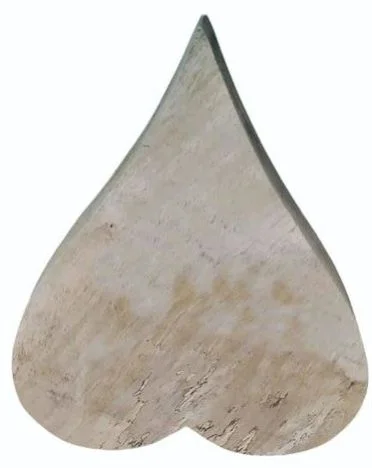
The natural obsidian knives are hand‑carved stone; buyers should request a food‑contact safety declaration or test report confirming that the material does not leach harmful substances.
What certifications should a buyer request for the gemstone jewellery?
Ask for a gem‑lab authenticity report (e.g., GIA or an equivalent) that details the stone type, carat weight, treatments and any grading. If the supplier holds ISO 9001, that can be referenced but is not mandatory.
What is the typical minimum order quantity (MOQ) for crystal glass sets?
For handcrafted crystal sets, suppliers often set an MOQ of 100‑200 pieces per design, allowing efficient packaging in standard cartons for container loading.
Which packaging methods are recommended for shipping delicate crystal items?
Double‑wall cardboard boxes with foam inserts, sealed in moisture‑resistant poly‑bags, are standard to protect against breakage and humidity during sea freight.
How long is the typical lead time for a mixed order of stone beads and crystal cups?
Lead times for mixed handcrafted items usually range from 30 to 45 days, depending on the complexity of carving and the availability of raw stone material.
Can the supplier provide sample pieces before a full order?
Yes, most exporters of Indian handicrafts will send a limited number of sample units, often at the buyer’s expense, to verify finish, dimensions and material quality.
What documentation is needed for customs clearance of these products?
A commercial invoice, packing list, certificate of origin and, where applicable, a material safety data sheet or gem‑lab report are commonly required for HS 7013 and HS 7103 shipments.




 , India