G.T.D Walnut Inc. — Verified Supplier
About G.T.D Walnut Inc. - Lentils Supplier in United States
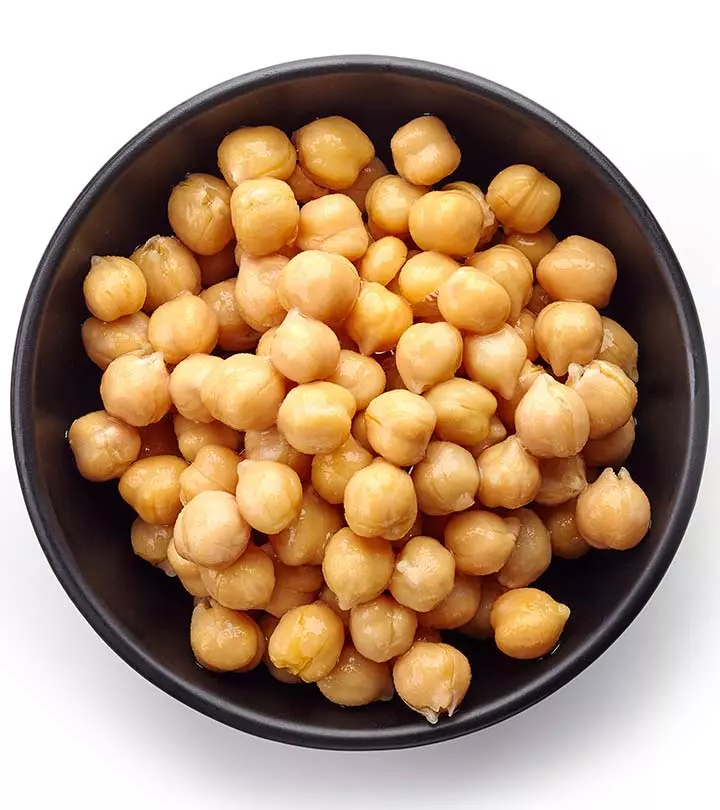
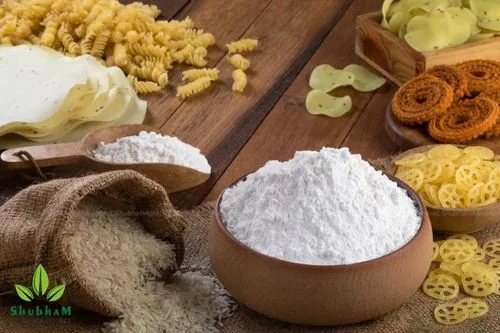
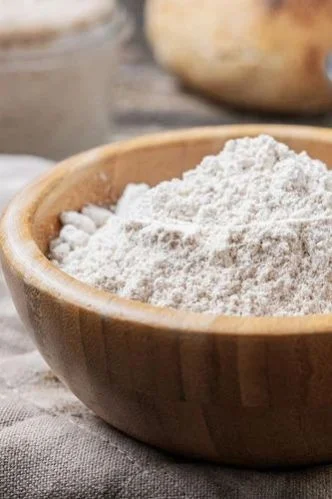
G.T.D Walnut Inc. is based in the United States and currently lists fourteen active products in its catalogue. The portfolio includes a variety of pulses such as green lentils, unprocessed red lentils, red split lentils, yellow split lentils, yellow lentils and chickpeas, as well as derived flours like chickpea flour and red lentil flour (both recorded under HS code 1106.10). The company also supplies oil seeds and nuts, namely flax seed, cashew nuts, walnuts in shell and pistachio in shell, covering the top categories of lentils, chickpeas, all‑purpose flour, flax seeds, cashew nuts, walnuts and pistachio.
In addition to the pulse and nut items, the catalogue specifies material composition for the two flour products: chickpea flour is derived from Cicer arietinum and red lentil flour from 100 % Lens culinaris. Both flours fall under the same HS heading 1106.10, which is the standard classification for grain mill preparations. The remaining items are listed without explicit HS codes, reflecting a typical US export listing where HS codes are often attached to processed grain products rather than whole seeds or nuts.
Product Range and Specialties of G.T.D Walnut Inc.
The product list comprises several lentil varieties - green, red, split (red and yellow) and yellow - each commonly graded by size (2 mm to 4 mm) and moisture content below 12 %. In international trade, premium lentils are often classified as ICUMSA 45 for colour and are sold in 25 kg polypropylene bags or bulk 1 tonne sacks. Chickpeas appear both as whole seeds and as a “Grade Daisy”, a size‑based classification used in North American markets. Chickpea flour and red lentil flour, under HS 1106.10, are typically produced with protein levels of 20‑25 % and ash content below 2 %, and buyers usually request analysis for particle size distribution (e.g., 80 % passing 250 µm). Flax seed is generally exported with an oil content of 40‑45 % and a moisture ceiling of 8 %. Cashew nuts, walnuts and pistachios in shell are evaluated for shell integrity, kernel moisture (≤5 %) and aflatoxin levels (<10 ppb).
Trade and Export Information - G.T.D Walnut Inc.
United States exporters of pulses, nuts and oil seeds commonly ship to the European Union, the Middle East and Southeast Asia, regions where demand for plant‑based protein and culinary nuts is high. The relevant HS chapters are 07 (edible vegetables) for lentils and chickpeas, 12 (oil seeds and nuts) for flax seed, cashew, walnut and pistachio, and 11 (products of the milling industry) for the flours under HS 1106.10. Buyers typically require certifications such as USDA organic, FDA food safety compliance, and ISO 22000 or FSSC 22000 for processed flours. Standard packaging includes 25 kg PP bags for seeds, 1 tonne bulk bags for nuts, and 20 ft or 40 ft containers for sea freight, with CIF or FOB terms most frequently used. The United States maintains a robust phytosanitary inspection regime, so exporters provide a phytosanitary certificate and, where applicable, a USDA import permit for destination countries that enforce stringent pesticide residue limits.
Because the catalogue lists both whole and processed products, logistics may involve mixed loads: bulk grain containers for lentils and chickpeas, and climate‑controlled containers for nuts to preserve kernel quality. Export documentation usually includes a commercial invoice, packing list, certificate of origin and, for processed flours, a laboratory analysis report covering moisture, protein and microbial limits.
Sourcing from G.T.D Walnut Inc. - Buyer Guidance
When sourcing from G.T.D Walnut Inc., buyers should request a recent phytosanitary certificate for all seed products and a laboratory analysis report for each lot of lentils, chickpeas and nuts. For flours, a certificate of analysis confirming protein content, ash, moisture and particle size is standard, as is a declaration of compliance with FDA food safety regulations. Nut shipments should be accompanied by an aflatoxin test report and, if the buyer requires organic status, a USDA organic certificate should be verified before contract acceptance.
It is advisable to obtain a sample batch for physical inspection of colour, size and shell integrity, especially for shell‑on nuts. Verify that the packaging material matches the intended transport mode (e.g., moisture‑barrier bags for nuts). Confirm the HS code used on the commercial invoice matches the product description (e.g., 1106.10 for chickpea and red lentil flours) to avoid customs delays.
Frequently Asked Questions About G.T.D Walnut Inc.
What HS codes are used for the flours listed by G.T.D Walnut Inc.?
Both Chickpea Flour and Red Lentil Flour are classified under HS code 1106.10, which covers grain mill preparations.
Which quality parameters are typical for the lentil varieties offered?
International buyers usually require lentils with moisture ≤ 12 %, size 2‑4 mm, colour grade ICUMSA 45 for green lentils and a low foreign matter rate (<0.5 %).
What certifications should a buyer request for the nut products?
Buyers commonly ask for a USDA or FDA food safety compliance statement, an aflatoxin test report (limit < 10 ppb) and, if needed, a USDA organic certificate.
How are the seed products typically packaged for export?
Seeds such as lentils, chickpeas and flax seed are usually packed in 25 kg polypropylene bags, which are then placed in 1 tonne bulk bags for container loading.
What documents are required for customs clearance of the flour products?
A commercial invoice, packing list, certificate of origin, phytosanitary certificate and a laboratory analysis report for protein, moisture and ash content are standard.
Which markets commonly import United States pulses and nuts?
The European Union, Middle East countries such as the United Arab Emirates and Saudi Arabia, and Asian markets including India and China are major import destinations for US pulses and nuts.
What is the typical lead time for a full container load from this supplier?
Lead times for a 20 ft container of seeds or nuts generally range from 30 to 45 days, depending on product availability and required certifications.
Can buyers request samples before placing a larger order?
Yes, the supplier can provide sample quantities of each product, and buyers should evaluate colour, size, moisture and any required laboratory test results before confirming a full order.




 , United States