Agriculture›
 Apparel and fashion accessories›
 Construction & real estate›💡Electronic & Electrical›🍎Food & Beverages›🛋️Home furnishing & supplies›⚗️Industrial goods & chemical›🪨Minerals & metals›📦Miscellaneous›Agriculture›Apparel and fashion accessories›Construction & real estate›💡Electronic & Electrical›🍎Food & Beverages›🛋️Home furnishing & supplies›⚗️Industrial goods & chemical›🪨Minerals & metals›📦Miscellaneous›
Fizu Perkasa Group Product Catalog


About Fizu Perkasa Group - Organic Rice Supplier in Indonesia
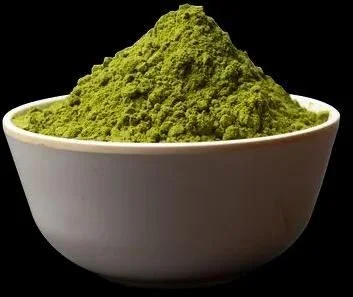
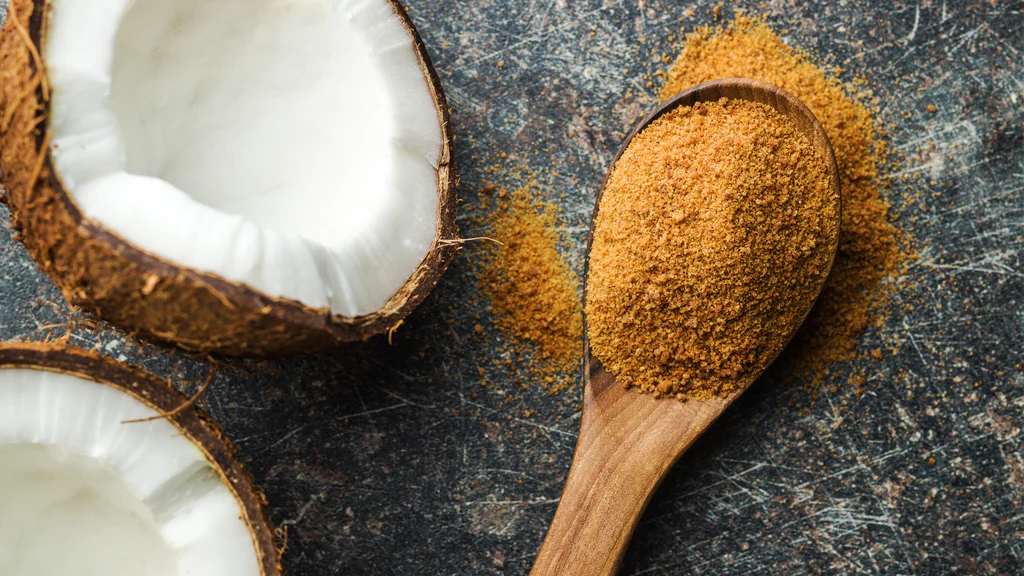
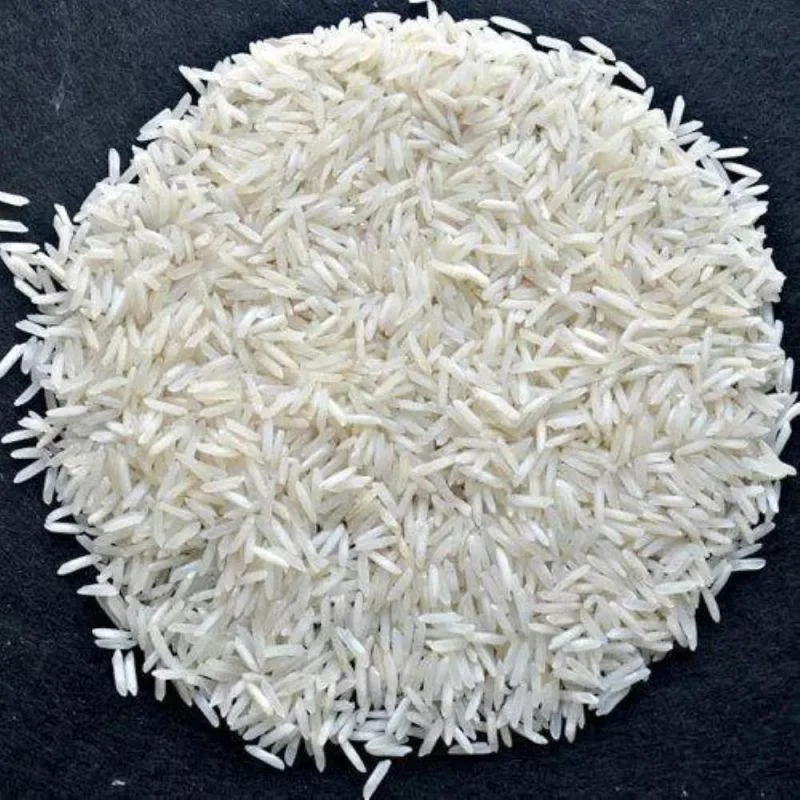
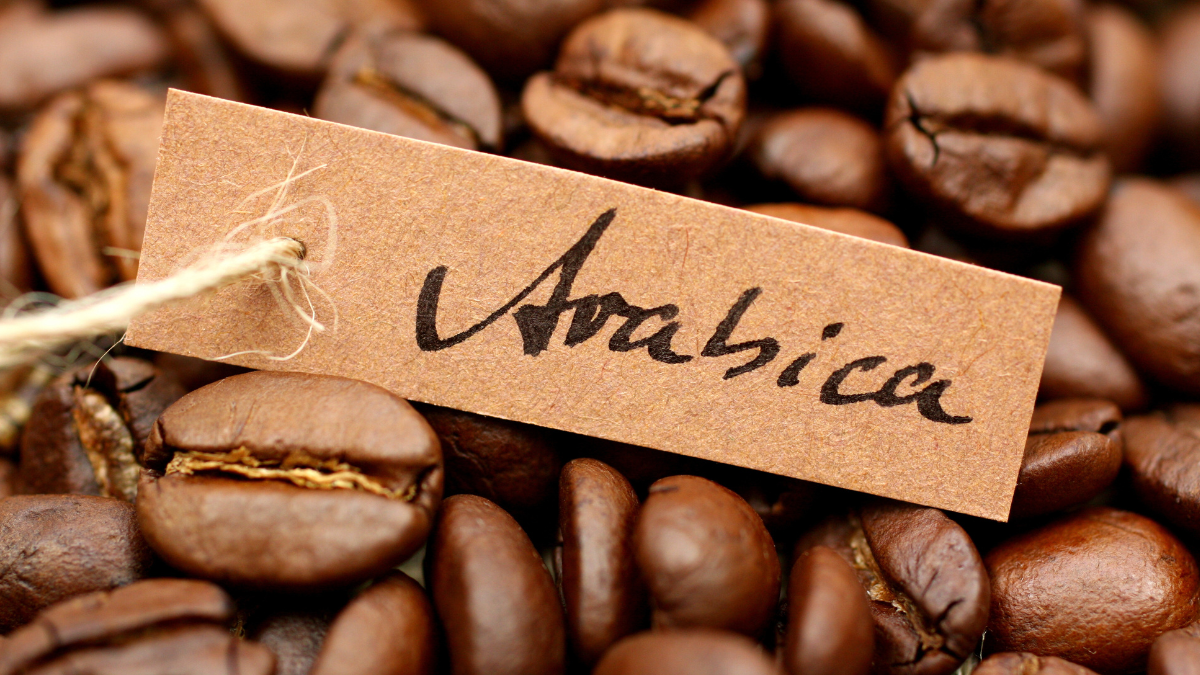
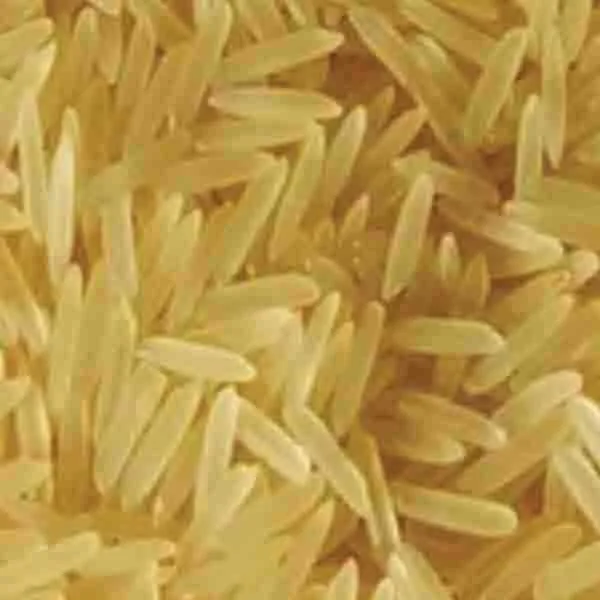
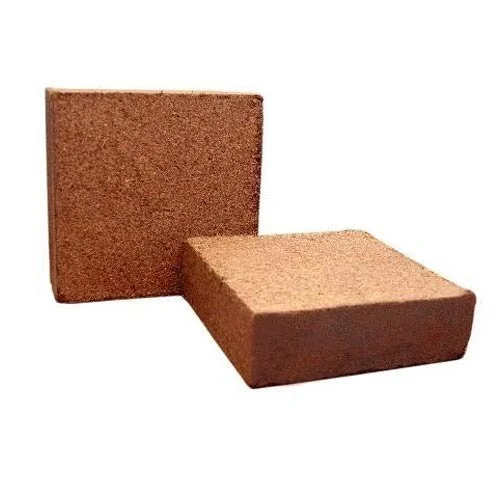
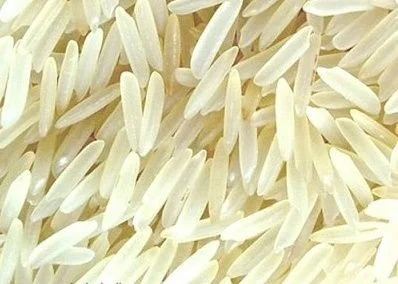
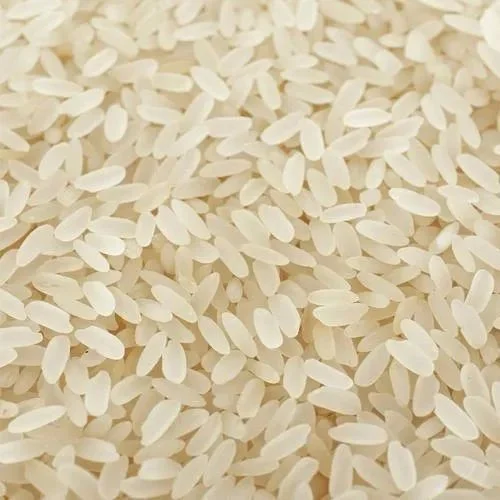
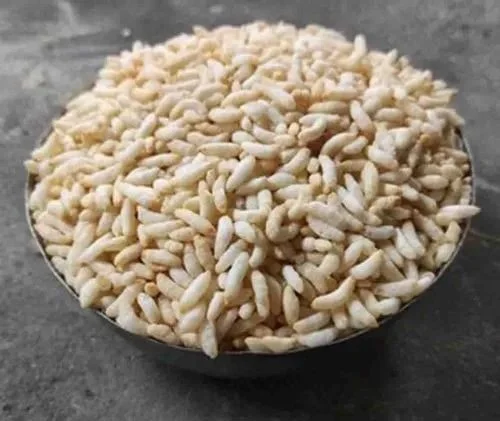
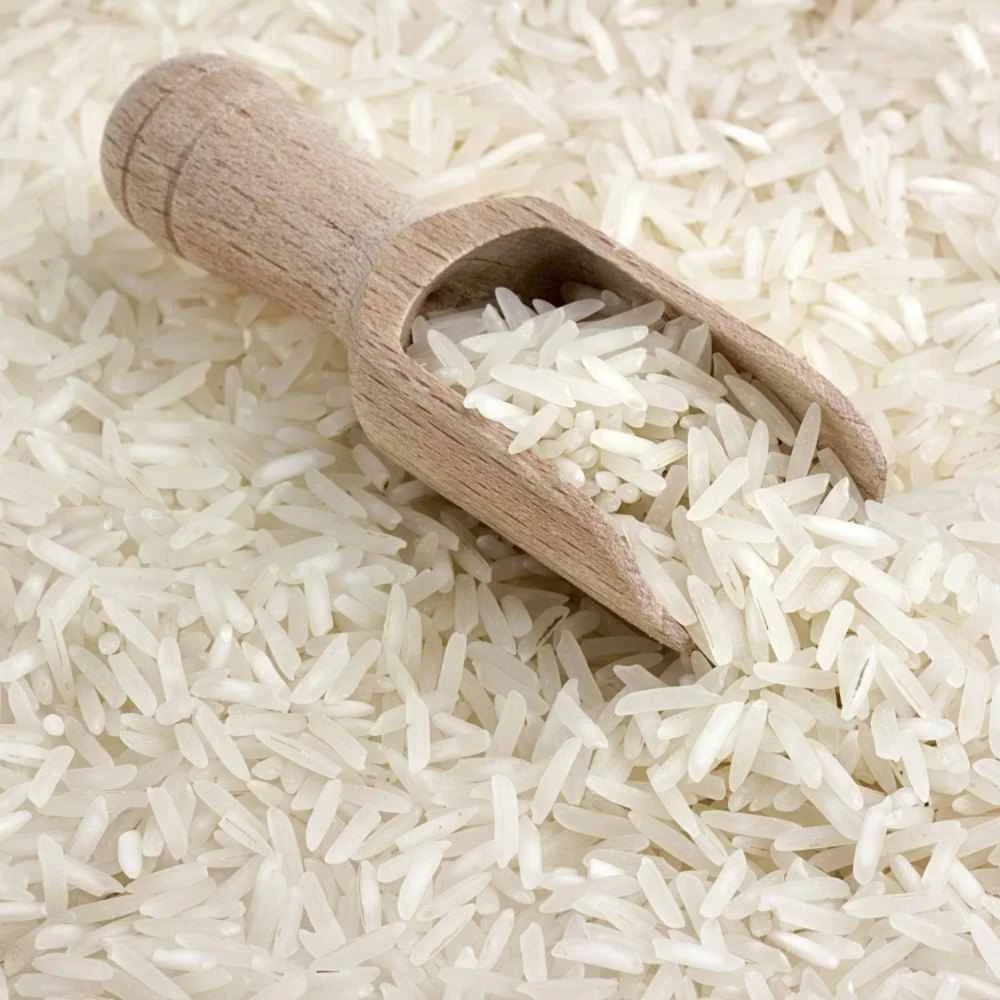
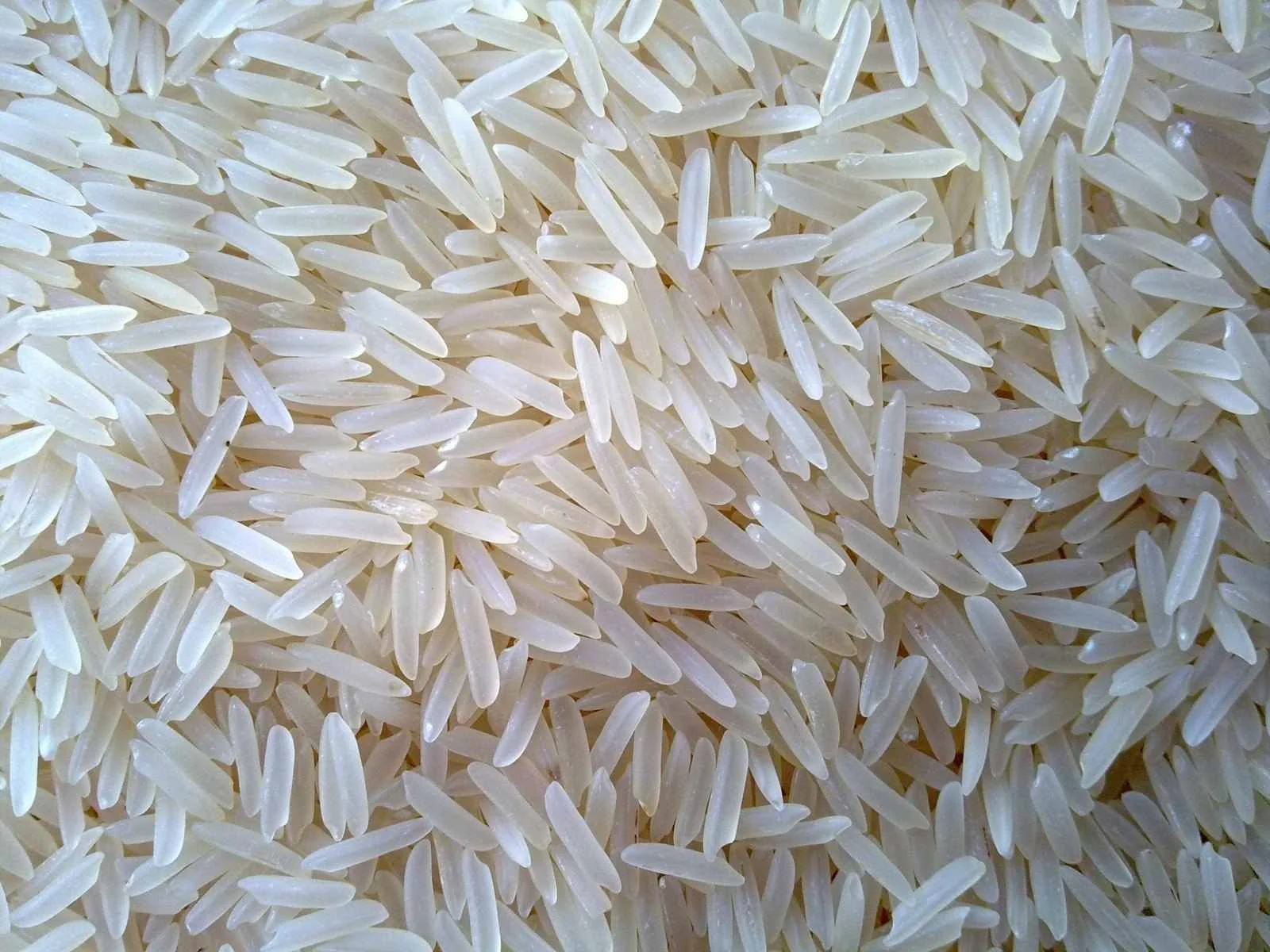
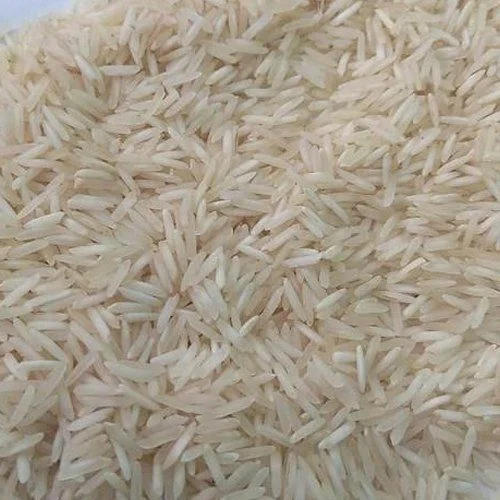
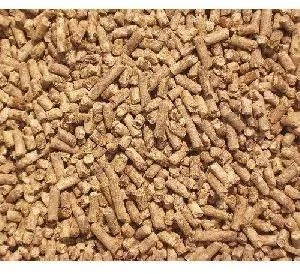
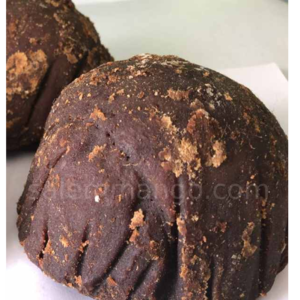
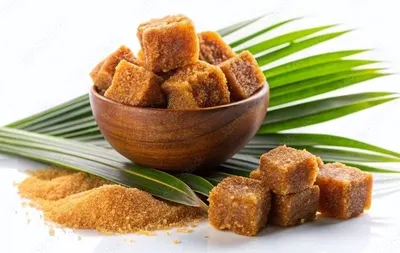
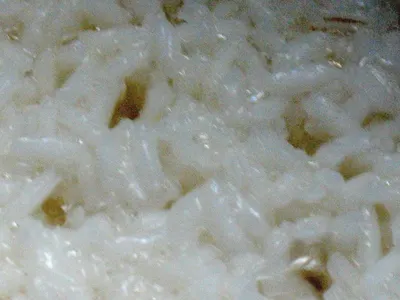
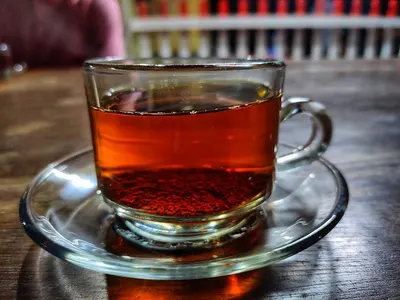
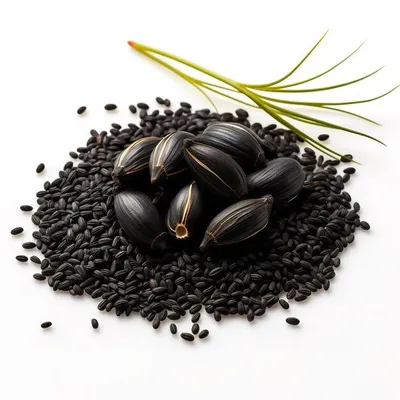
Indonesia hosts the Fizu Perkasa Group, which currently lists seven active products across its catalogue. The portfolio includes Organic Black Rice, Organic Red Rice, Organic White Rice, Arabica Green Bean, Coco Peat Choir, Black Tea (HS code 0902.40), and Palm Sugar. All items are grouped under the supplier’s top categories of Organic Rice, Coffee Beans, White Rice, Coco Peat & Coir Pith, Black Tea, and Sugar. The listed products cover staple grains, a coffee bean variety, a horticultural substrate, a fermented tea leaf, and a traditional sweetener.
The rice entries are presented under the generic rice HS chapter 1006, while the coffee beans fall under HS chapter 0901, and the palm sugar under HS chapter 1701. The black tea entry explicitly cites HS code 0902.40 and specifies the material as Camellia sinensis var. sinensis, Yabukita clone, fermented black tea leaves. Coco peat is identified as a coir pith product, commonly classified under HS code 9609 for other vegetable materials.
Product Range and Specialties of Fizu Perkasa Group
The catalogue offers three varieties of organic rice - black, red, and white - each marketed as fully organic and suitable for bulk or retail packaging. The Arabica Green Bean is listed as a green coffee bean, typically roasted after import. Coco Peat Choir is a coir pith substrate used in horticulture, and the Black Tea entry specifies fermented leaves of the Yabukita clone. Palm Sugar is presented as a traditional Indonesian sweetener derived from palm sap.
In the global market, organic rice is commonly graded by husk removal rate, broken grain percentage (usually <5 %), and moisture content below 14 %. Arabica coffee beans are evaluated by screen size (e.g., 16‑20 mm), moisture ≤12.5 %, and cup quality scores such as SCAA. Coir peat is typically sold with a bulk density of 0.15‑0.25 g/cm³ and moisture content of 30‑45 %. Black tea grades range from BOP (Broken Orange Pekoe) to FT (Finest Tippy), with leaf moisture around 4‑5 % and ash content below 2 %. Palm sugar is often standardized to a moisture level of 15‑20 % and a sucrose purity above 80 %.
Frequently Asked Questions About Fizu Perkasa Group
What organic standards apply to the rice varieties?
The organic rice is produced under internationally recognised organic standards such as USDA Organic or EU Organic, which prohibit synthetic pesticides and fertilizers and require annual soil fertility management.
Which certifications are available for the Arabica coffee beans?
The coffee beans can be accompanied by a crop‑specific organic certificate and a coffee quality report complying with SCAA cupping standards; buyers should request the latest certification copy.
What is the typical moisture content for the black tea product?
Black tea exported from Indonesia generally has a moisture level of 4‑5 % to ensure shelf stability and is packed in airtight foil‑lined bags.
How is coco peat measured for export?
Export specifications for coco peat include a bulk density of 0.15‑0.25 g/cm³, moisture content of 30‑45 %, and it is shipped in woven polypropylene bags or bulk containers.
What HS code should be used for the palm sugar?
Palm sugar falls under HS chapter 17, specifically code 1701, which covers sugar and sugar confectionery.
 Indonesia
Related Suppliers & Products
Explore similar suppliers, related products and trending categories