Agriculture›
 Apparel and fashion accessories›
 Construction & real estate›💡Electronic & Electrical›🍎Food & Beverages›🛋️Home furnishing & supplies›⚗️Industrial goods & chemical›🪨Minerals & metals›📦Miscellaneous›Agriculture›Apparel and fashion accessories›Construction & real estate›💡Electronic & Electrical›🍎Food & Beverages›🛋️Home furnishing & supplies›⚗️Industrial goods & chemical›🪨Minerals & metals›📦Miscellaneous›
Exterbras Alimentos Ltda Product Catalog
About Exterbras Alimentos Ltda - IQF or Frozen Fruits Supplier in Brazil
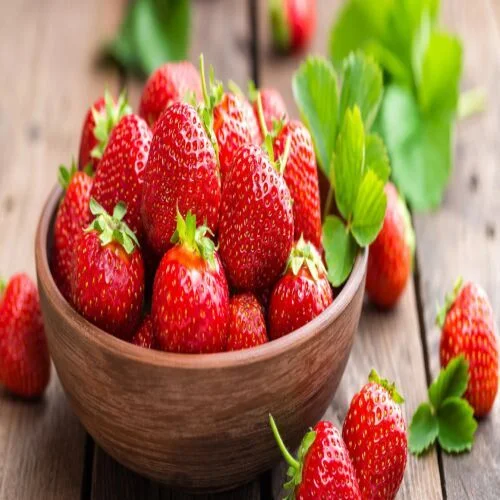
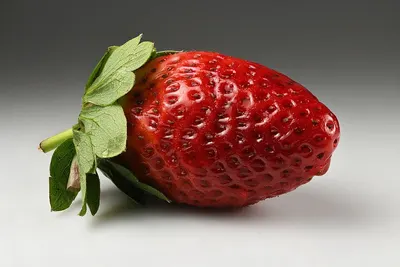
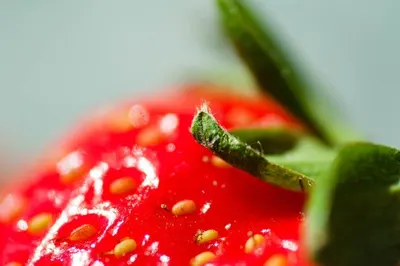
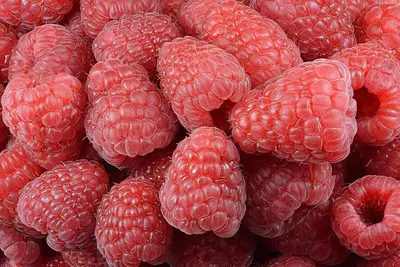
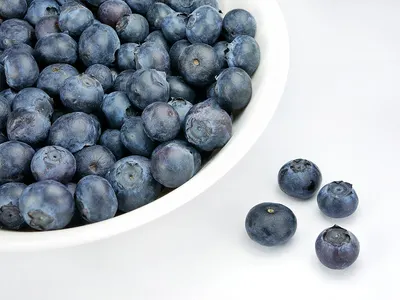
Brazilian supplier Exterbras Alimentos Ltda lists five active products in its catalogue, all falling under the IQF (Individually Quick Frozen) fruit segment. The portfolio includes Grade A frozen blackberry, strawberry, raspberry and blueberry, as well as a pure strawberry concentrate. Each frozen fruit is presented as Grade A, indicating compliance with visual quality, size uniformity and low moisture loss typical for premium export batches. The catalogue does not provide HS codes, but the product set aligns with common frozen berry classifications used in global trade.
The company’s top categories are IQF or Frozen Fruits, Strawberry and Processed Fruit Products, reflecting a focus on both whole frozen berries and value‑added fruit concentrates. Exterbras lists its products without reference to certifications, so buyers should verify standard food safety certifications independently. The active product count of five demonstrates a narrow but specific range aimed at buyers needing high‑quality frozen berries and strawberry puree for further processing.
Product Range and Specialties of Exterbras Alimentos Ltda
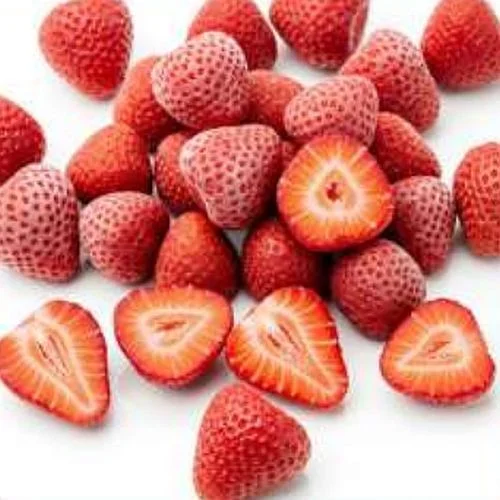
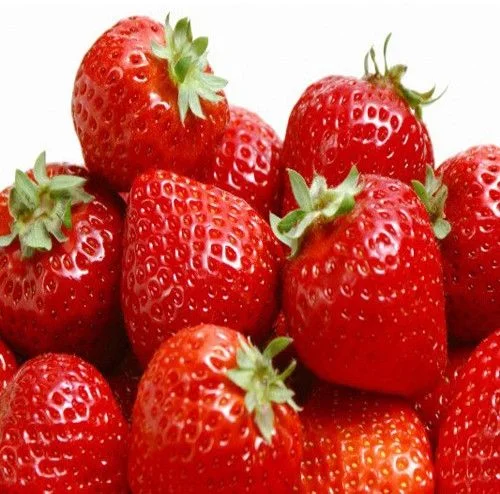
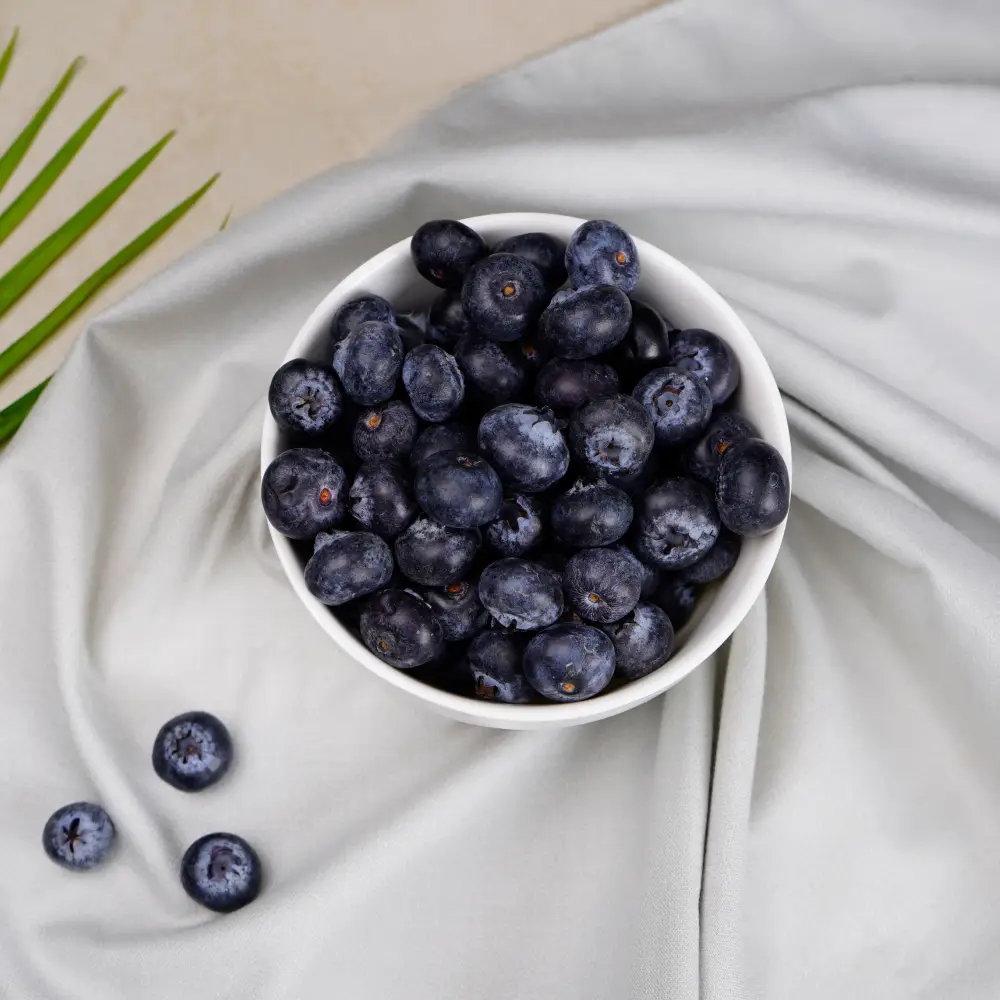
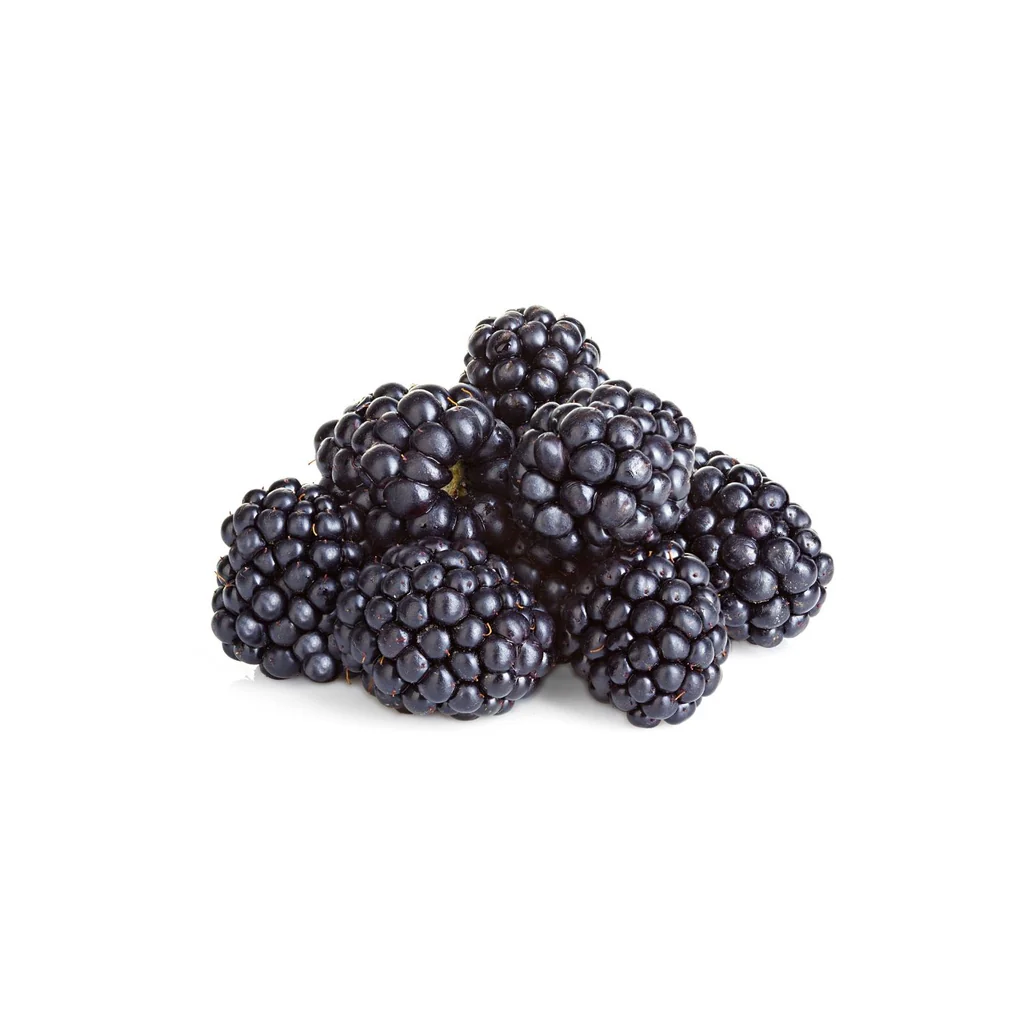
The frozen berry line comprises Blackberry IQF Grade A, Strawberry IQF Grade A, Raspberry IQF Grade A and Blueberry IQF Grade A. In the frozen fruit market, Grade A typically means berries of uniform size (15‑25 mm for strawberries, 10‑20 mm for raspberries), bright colour, absence of bruising and a moisture content below 80 % after freezing. Buyers often request specifications such as Brix ≥ 10 % for frozen berries, total aerobic plate count ≤ 10⁴ CFU/g, and pesticide residues below Codex limits. The Puree Strawberry Concentrate is a processed fruit product usually supplied in bulk drums or IBCs, with soluble solids content (Brix) in the range of 30‑45 % and a target pH of 3.0‑3.5 for stability.
Industry standards for frozen berries frequently reference GlobalGAP, HACCP and ISO 22000 compliance, as well as packaging requirements like food‑grade PET trays or bulk poly‑bags sealed in insulated cartons. For strawberry puree, common specifications include viscosity (10‑15 cP at 20 °C), microbiological limits (yeast & mould ≤ 10³ CFU/g), and optional fortification with vitamin C. These parameters help buyers compare suppliers and ensure suitability for downstream applications such as confectionery, dairy or beverage formulations.
Frequently Asked Questions About Exterbras Alimentos Ltda
What product grades does Exterbras Alimentos Ltda list for its frozen berries?
All frozen berries are listed as Grade A, which in the frozen fruit industry denotes uniform size, bright colour, low moisture loss and absence of visible defects.
Which certifications should a buyer request from Exterbras for food‑safety compliance?
Buyers should request GlobalGAP, HACCP and ISO 22000 certificates, as these are the standard food‑safety schemes for frozen fruit exporters from Brazil.
What are the typical packaging formats for the frozen berry products?
Frozen berries are usually packed in food‑grade PET trays placed inside insulated cardboard boxes, which are then stacked in refrigerated containers.
What specifications are common for the Puree Strawberry Concentrate?
Typical specifications include soluble solids (Brix) of 30‑45 %, pH 3.0‑3.5, viscosity 10‑15 cP at 20 °C, and microbiological limits such as total plate count ≤ 10³ CFU/g.
Which HS chapters are generally used for frozen berries and fruit puree?
Frozen berries fall under HS Chapter 08 (e.g., 08.11 for frozen berries) and fruit puree under HS Chapter 20 (e.g., 20.09 for fruit preparations).
 Brazil
Related Suppliers & Products
Explore similar suppliers, related products and trending categories