Agriculture›
 Apparel and fashion accessories›
 Construction & real estate›💡Electronic & Electrical›🍎Food & Beverages›🛋️Home furnishing & supplies›⚗️Industrial goods & chemical›🪨Minerals & metals›📦Miscellaneous›Agriculture›Apparel and fashion accessories›Construction & real estate›💡Electronic & Electrical›🍎Food & Beverages›🛋️Home furnishing & supplies›⚗️Industrial goods & chemical›🪨Minerals & metals›📦Miscellaneous›
Evergreen Artemia Group Inc.
⚓ Harbor , ChinaNew supplier / no reviews yet
Evergreen Artemia Group Inc. Product Catalog


About Evergreen Artemia Group Inc. - Artemia Cysts Supplier in China
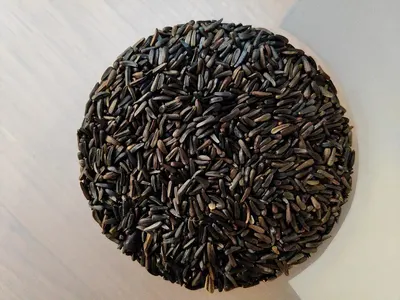
China hosts Evergreen Artemia Group Inc., which lists ten active products focused on artemia cysts and related brine shrimp items. The catalogue includes Brine Shrimp Eggs Manufacturer, multiple lake‑sourced Artemia cyst varieties such as Chinese Lake, Aibi Lake, Bohai Bay, and Russian‑Kazakhstan sources, as well as specialty forms like Red Color, Arial Sea, and Decapsulated Artemia Cysts. Each entry is recorded under the broader categories of Fishmeal, Agriculture and Poultry, reflecting the typical use of Artemia in feed and hatchery applications.
The supplier’s product set covers both raw cysts (without powder) and processed forms such as decapsulated cysts, which are commonly used by fish hatcheries and ornamental‑aquarium growers. While no HS‑code is supplied, artemia cysts are generally classified under HS chapter 03 for live crustaceans and related products. The list does not specify any certifications held by Evergreen Artemia Group Inc., so buyers should verify compliance with industry standards during the sourcing process.
Product Range and Specialties of Evergreen Artemia Group Inc.
Evergreen Artemia Group Inc. offers a focused range of artemia cyst products, ranging from untreated lake cysts to color‑enhanced and decapsulated variants. In the global market, artemia cysts are typically graded by viability (percentage of hatched nauplii), moisture content (usually 4‑6 %), and decapsulation rate for processed forms. Standard specifications often cite a cyst size of 0.5‑0.8 mm and a purity level above 95 % for hatchery‑grade material. Buyers also encounter related feed categories such as fishmeal and poultry feed, where protein content (typically 45‑55 % for fishmeal) and ash levels are key quality metrics.
Frequently Asked Questions About Evergreen Artemia Group Inc.
What types of artemia cysts does Evergreen Artemia Group Inc. provide?
The catalogue includes raw lake cysts from Chinese, Aibi, Bohai Bay and Russian‑Kazakhstan sources, specialty colored cysts such as Red Color, and processed forms like Decapsulated Artemia Cysts.
Are the artemia cysts suitable for fish hatcheries?
Yes, the products are listed under the Fishmeal category and are commonly used in hatchery feeds; buyers should confirm viability percentages (generally ≥ 80 %) before large‑scale purchase.
What documentation should I request before ordering?
Request a product data sheet, recent laboratory analysis for moisture and heavy‑metal limits, a phytosanitary certificate, and a Certificate of Origin. If you require specific food‑safety standards, ask for ISO 9001 or HACCP compliance evidence.
What is the typical packaging for the cysts?
Artemia cysts are usually packed in moisture‑proof 25 kg polypropylene bags or bulk containers for larger orders, designed to preserve hatchability during transit.
Which Incoterms are commonly used for shipments from China?
Suppliers often quote FOB Shanghai or CIF to the buyer’s destination port; container sizes range from 20 ft to 40 ft depending on order volume.
ChinaRelated Suppliers & Products
Explore similar suppliers, related products and trending categories