EOI LLP Essence Of India — Verified Supplier
About EOI LLP Essence Of India - Chickpeas Supplier in India
India is the source country for EOI LLP Essence Of India, which lists eleven distinct agricultural products in its catalogue. The catalogue includes pulses such as chickpeas, oilseeds like castor and soybean, a selection of spices including coriander, cumin, fennel and fenugreek, as well as basmati rice, sugar, moringa leaf powder and psyllium. The listed items fall under HS code families for legumes (HS 07), spices (HS 09), cereals (HS 10), oilseeds (HS 12) and sugars (HS 17), with basmati rice specifically coded as 1006.30. The supplier’s active product count of 11 reflects a focused range of primary food commodities commonly traded from India.
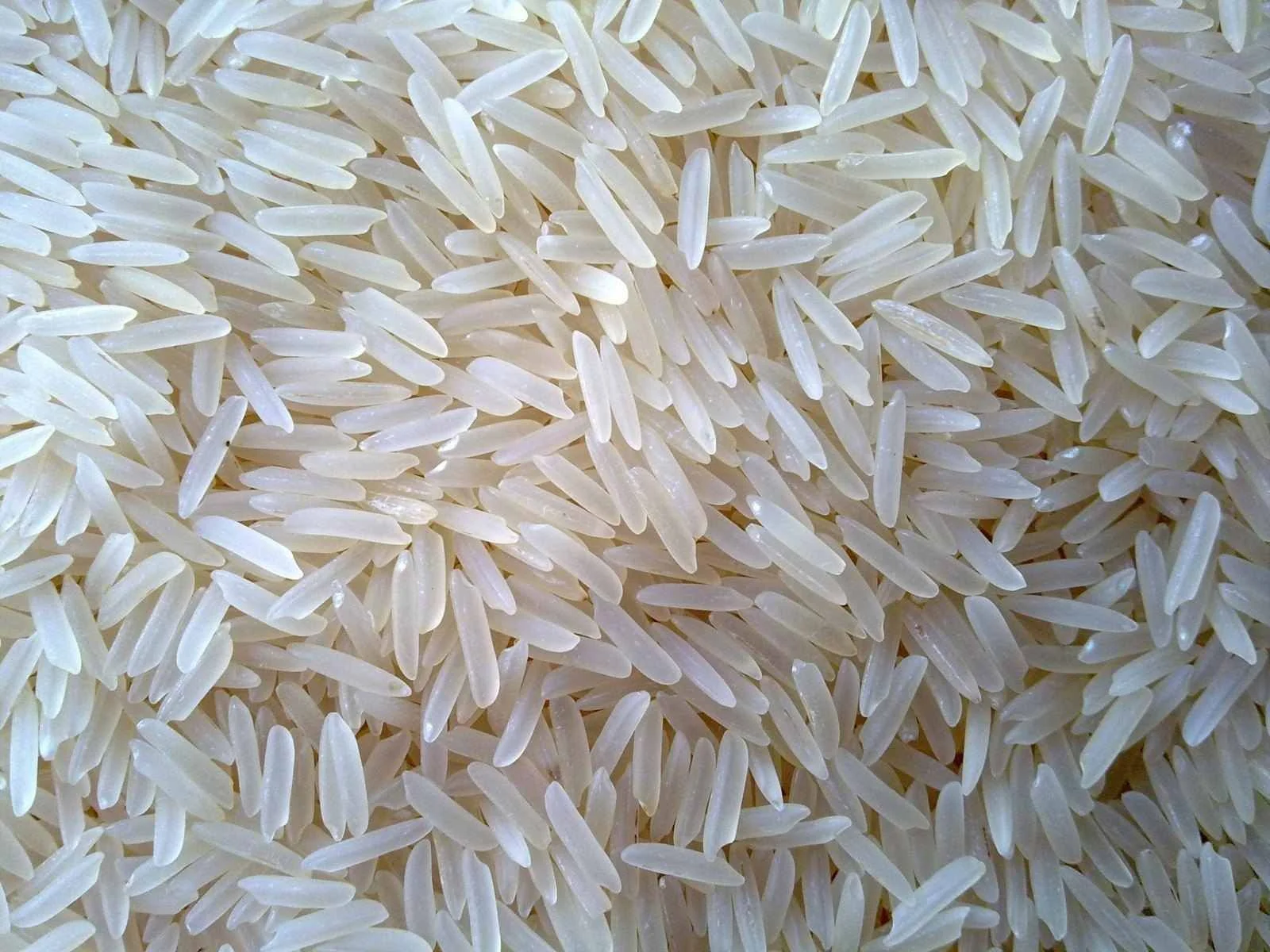
The product entries are presented by name without additional specifications in the catalogue. Among them, basmati rice is identified with the material “Basmati Rice (Oryza sativa)” and the HS code 1006.30, indicating extra‑long grain rice. Other items such as chickpeas, coriander seeds, cumin seeds, soybean, sugar, castor seeds, fennel seeds, fenugreek seeds, moringa leaf powder and psyllium are listed without HS codes, but they belong to standard HS chapters for their commodity groups. This structure aligns with typical Indian export listings where each commodity is referenced by its generic product name.
Product Range and Specialties of EOI LLP Essence Of India
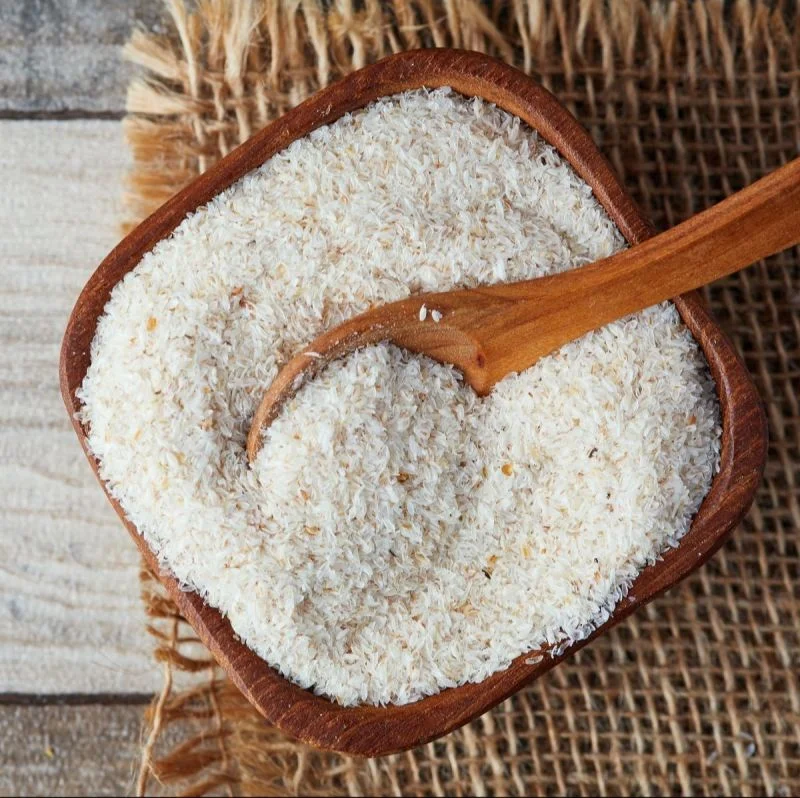
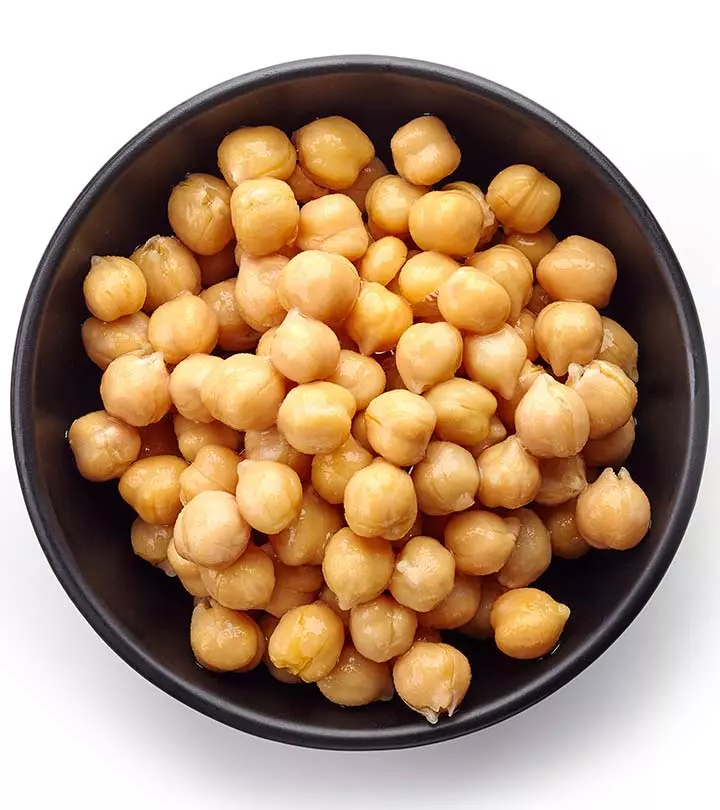
EOI LLP’s catalogue covers eleven commodities that are staples of Indian agricultural exports. The pulse segment includes chickpeas, which are usually graded by size (e.g., 12 mm + ) and moisture content below 12 %. The spice lineup - coriander, cumin, fennel and fenugreek seeds - generally conforms to Indian Standards (IS) for purity, essential oil content (coriander 0.5 %‑0.8 % linalool) and moisture under 8 %. Soybean is typically evaluated for protein content (35 %‑40 %) and oil extraction rate (≈20 %). Basmati rice is exported as extra‑long grain with aroma units ≥ 5 % and broken percentage below 5 %, packed in 50 kg jute bags. Castor seeds are assessed for oil content (≈ 45 %) and low impurity levels. Moringa leaf powder is commonly sold with a total ash content below 10 % and particle size under 200 µm, while psyllium husk is graded by husk purity (≥ 90 %) and moisture under 10 %.
Trade and Export Information - EOI LLP Essence Of India
India ranks among the top global exporters of pulses, spices, basmati rice and soybeans, supplying markets in the Middle East, Europe, North America and Southeast Asia. Export shipments of basmati rice (HS 1006.30) typically use 20‑ft or 40‑ft containers loaded with 50 kg jute bags, while bulk legumes and oilseeds are often packed in woven polypropylene bags of 25 kg or 50 kg. Buyers usually request phytosanitary certificates, a certificate of origin, and product‑specific test reports such as moisture, impurity and pesticide residue analyses. Commonly required certifications for these categories include ISO 22000, HACCP, FSSAI registration and, for organic variants, NOP or EU organic certification. Indian exporters also adhere to customs documentation aligned with HS chapter requirements, and freight terms frequently follow CIF or FOB incoterms.
Sourcing from EOI LLP Essence Of India - Buyer Guidance
Prospective buyers should verify that chickpeas meet the advertised size and moisture specifications and request a recent laboratory analysis report. For spices, request a certificate of analysis showing essential oil percentages, moisture and microbial limits, as well as an ISO 22000 or HACCP compliance statement. Basmati rice buyers normally ask for a mill test report confirming broken percentage, aroma units and pesticide residue limits, together with the HS‑specific certificate of origin. Soybean, castor and other oilseeds should be accompanied by oil content and foreign matter test results. Samples of moringa leaf powder and psyllium husk are usually supplied in 500 g sealed packets for laboratory evaluation before bulk ordering.
Frequently Asked Questions About EOI LLP Essence Of India
What product codes are used for the basmati rice offered by EOI LLP?
The basmati rice is listed under HS code 1006.30 and is described as Basmati Rice (Oryza sativa). Buyers should confirm the code on the commercial invoice to match customs requirements.
Which certifications should a buyer request for the spice products?
Buyers typically request ISO 22000 or HACCP certificates, a recent certificate of analysis showing essential oil content, moisture and microbial limits, and a phytosanitary certificate. These documents verify compliance with food safety standards in most importing countries.
How is chickpeas quality normally measured for export?
Export‑quality chickpeas are graded by kernel size (e.g., 12 mm + ), moisture content below 12 %, and impurity level under 1 %. A laboratory test report confirming these parameters is standard practice.
What packaging is common for the listed commodities?
Basmati rice is commonly packed in 50 kg jute bags, pulses and oilseeds in 25 kg or 50 kg woven polypropylene bags, and powdered products such as moringa leaf powder in 25 kg multi‑wall paper bags. Bulk containers are loaded in 20‑ft or 40‑ft containers depending on order volume.
Which markets typically import Indian basmati rice and spices?
Major importers include the United Arab Emirates, Saudi Arabia, the United Kingdom, the United States and the European Union. These regions often require the same food safety certifications and HS‑code documentation.
What documentation is required for sugar exports from India?
Sugar shipments usually need a certificate of origin, a laboratory analysis confirming ICUMSA grade (commonly 45), moisture content below 0.5 % and a phytosanitary certificate. Importers also request compliance with the destination country’s sugar quality standards.
What is the typical lead time for a sample of moringa leaf powder?
Suppliers generally dispatch a 500 g sealed sample within 5‑7 business days after the request, using air freight for expedited delivery. The sample is accompanied by a test report covering ash content, particle size and microbial limits.




 , India