Endo Inc — Verified Supplier
About Endo Inc - Meat & Produce Supplier in Zimbabwe
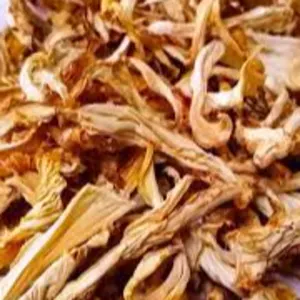
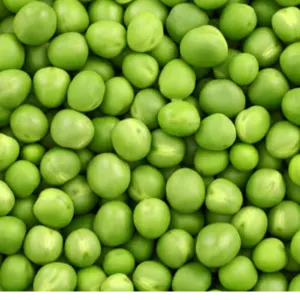
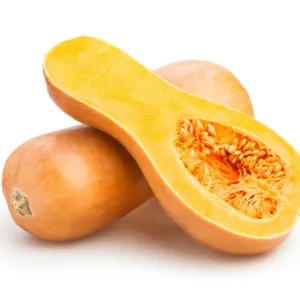
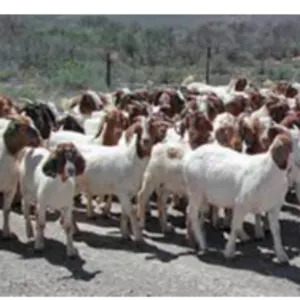
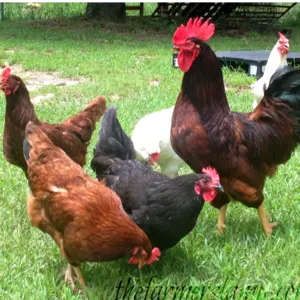
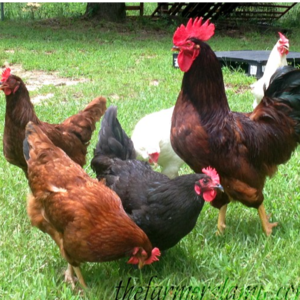
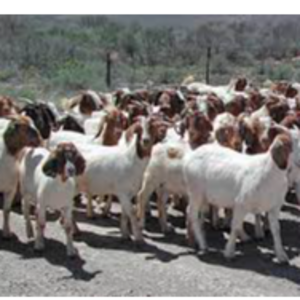
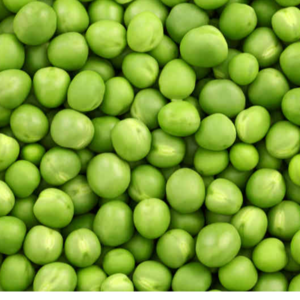
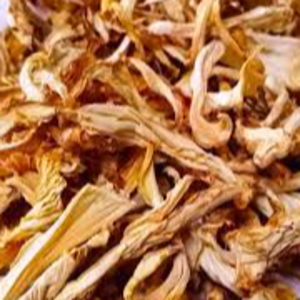
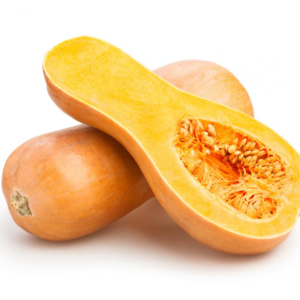
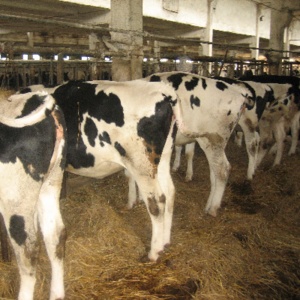
Endo Inc operates out of Bulawayo in Zimbabwe and currently lists five active products in its catalogue. The catalogue covers free range chicken (HS 0207.14), live goat (HS 0104.20), fresh butternut squash (HS 0709.99), dried green peas (HS 0713.10) and dried mixed mushrooms (HS 0712.32). Each product is recorded under the appropriate material description - Gallus gallus domesticus for chicken, Capra aegagrus hircus for goat, Cucurbita moschata for butternut, Pisum sativum for peas and assorted shiitake, wood‑ear and porcini varieties for mushrooms. The supplier groups these items within broader categories such as Meat & Poultry, Fresh Vegetables, Legumes and Dried Produce, matching the HS‑code families supplied in the facts.
The listed items reflect both live animal and processed food segments. Free range chicken is offered as fresh or frozen meat, the goat is supplied as a live animal, while the vegetable and legume products are presented in fresh (butternut) or dried (peas, mushrooms) forms. This mix aligns with typical export portfolios from Zimbabwe that combine animal protein with horticultural produce for regional and inter‑continental markets.
Product Range and Specialties of Endo Inc
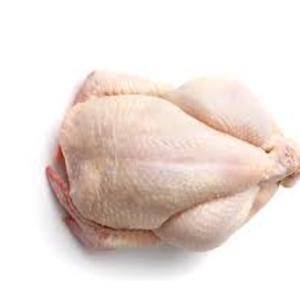
The catalogue’s five items correspond to well‑defined industry grades. Free range chicken is commonly graded A or B based on age (6‑12 weeks) and live weight of 1.5‑2.5 kg, and is usually packed in insulated boxes of 10 kg or 20 kg for refrigerated transport. Live goats are typically sold in weight classes of 25‑35 kg and require veterinary health certificates; they are loaded in ventilated livestock trucks. Butternut squash exported from Zimbabwe is usually sorted by size (diameter 15‑25 cm) and packed in 25 kg woven bags or bulk cartons. Dried green peas are dried to a moisture content below 12 % and shipped in 20 kg polypropylene bags, while dried mixed mushrooms are trimmed, cleaned and dried to ≤10 % moisture before being packed in 10 kg food‑grade bags. These specifications follow the standard grades referenced in HS chapters 07 and 02 for horticultural and meat products.
Trade and Export Information - Endo Inc
Zimbabwe’s export channels for fresh poultry and live goats typically target Southern African markets (South Africa, Zambia) and the Middle East, where demand for free‑range protein is strong. Fresh chicken (HS 0207) and live goats (HS 0104) are subject to veterinary health certificates and, for EU destinations, compliance with EU Regulation 2019/625 on animal health. Horticultural produce such as butternut squash, peas and mushrooms (HS 07xxx) usually require phytosanitary certificates and may be inspected under the International Plant Protection Convention (IPPC). Exporters from Zimbabwe often use refrigerated 20‑ft or 40‑ft containers for chilled meat and ventilated livestock containers for live animals, while dried legumes and mushrooms travel in standard dry containers. Common incoterms include CIF or FOB, with buyers frequently requesting pre‑shipment inspection reports and certificates of origin to satisfy customs in destination countries.
Sourcing from Endo Inc - Buyer Guidance
When sourcing from Endo Inc, request a current veterinary health certificate for the free range chicken and live goat, and a phytosanitary certificate for the butternut, peas and mushrooms. Ask for a product specification sheet that lists weight range, moisture content (≤12 % for peas, ≤10 % for mushrooms) and any pesticide residue limits, as these are standard compliance points for EU and Gulf buyers. Verify that the supplier can provide a HACCP or ISO 22000 audit report for meat products and a recent laboratory analysis for dried goods, which together confirm adherence to common food‑safety standards before confirming a purchase order.
Frequently Asked Questions About Endo Inc
What HS codes are used for Endo Inc's products?
Endo Inc lists free range chicken under HS 0207.14, live goat under HS 0104.20, butternut squash under HS 0709.99, dried green peas under HS 0713.10 and dried mixed mushrooms under HS 0712.32.
Which certifications should I request before buying?
Buyers should request a veterinary health certificate for the chicken and goat, a phytosanitary certificate for the vegetables and mushrooms, and an HACCP or ISO 22000 audit report for the meat products. Additional lab analysis reports for pesticide residues on the butternut and moisture content for the dried peas and mushrooms are also customary.
How is free range chicken typically packaged for export?
Free range chicken is usually packed in insulated boxes containing 10 kg or 20 kg of meat, sealed with cold‑chain liners, and loaded into refrigerated 20‑ft or 40‑ft containers to maintain a temperature of 0 °C to +4 °C during transit.
What is the typical lead time for a fresh chicken shipment from Zimbabwe?
Lead time for fresh chicken generally ranges from 7 to 10 days, covering processing, health certification, cold‑chain packaging and loading onto a refrigerated vessel or air freight, depending on the destination port.
In what form are the dried peas supplied?
The dried green peas are supplied in 20 kg food‑grade polypropylene bags, dried to a moisture level below 12 % and screened for foreign matter before packing.
What documentation is required for shipping live goats?
Live goat shipments require an up‑to‑date veterinary health certificate, a CITES or export permit if applicable, and a transport manifest that details weight class, age and loading conditions in a ventilated livestock container.
What quality parameters are checked for dried mushrooms?
Dried mushrooms are tested for moisture content (≤10 %), total microbial count (≤10 ³ CFU/g), and the absence of heavy metals. A certificate of analysis from an accredited lab is normally provided.
Which markets commonly import these product categories from Zimbabwe?
Typical import markets include South Africa and other SADC countries for fresh poultry and live goats, while the European Union, United Arab Emirates and Saudi Arabia are major buyers of dried legumes, dried mushrooms and fresh horticultural produce such as butternut.




 , Zimbabwe