Emanuel Exports — Verified Supplier
About Emanuel Exports - Multi‑Category Supplier in India
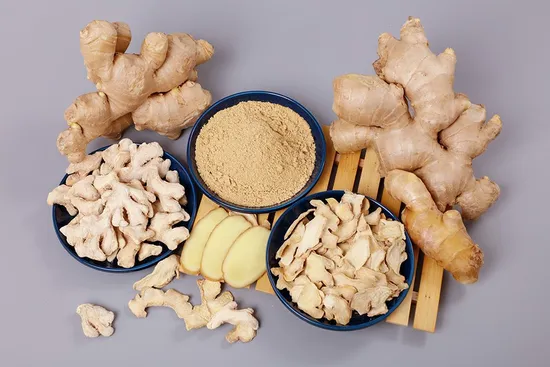
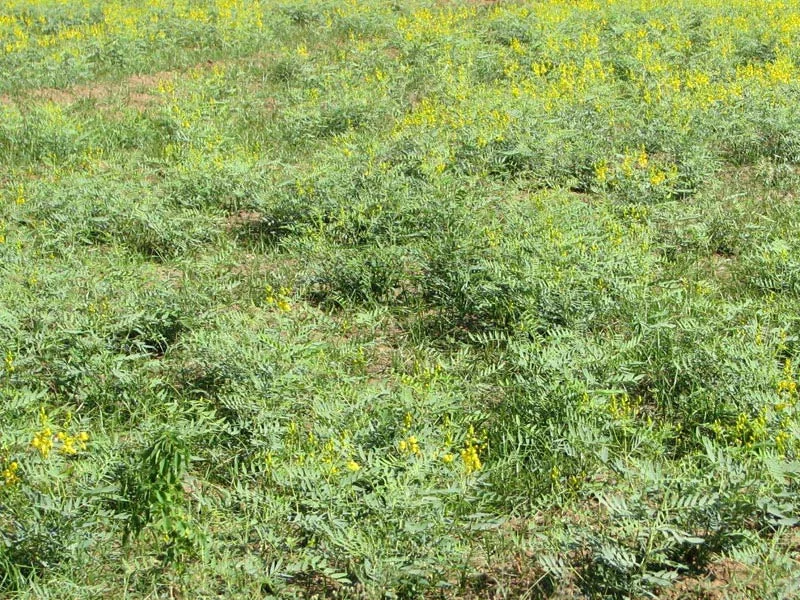
Emanuel Exports is based in India and currently lists 14 active products covering stationery, printing inks, rubber items, and several herbal commodities. The catalogue includes machines such as a flash rubber stamp machine and a rubber stamp making machine, a variety of rubber stamp components like common seals, crystal handles and self‑inking units, as well as raw herb products including senna leaves, senna leaf leads and dehydrated ginger. Each entry is recorded under the supplier’s primary categories without additional HS‑code detail in the source data. The product set reflects a mix of mechanical equipment for stamp production and bulk agricultural goods that are commonly traded from Indian exporters.
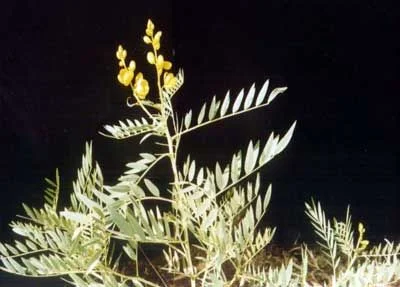
The supplier’s top categories are identified as Stationery, Printing Inks, Rubber Items, Herbs, Herbal Extracts, Senna and Dehydrated Ginger. Within the rubber‑stamp segment the list covers both the machines that produce stamps and the consumables needed for daily operation, such as pre‑ink cartridges and booster units. The herbal segment lists senna leaf material in two forms - raw leaves and leaf leads - together with dry ginger that is marketed as a dehydrated spice. No further quantitative data such as capacity or weight per unit is supplied in the source facts.
Product Range and Specialties of Emanuel Exports
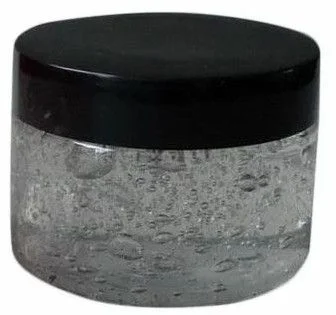
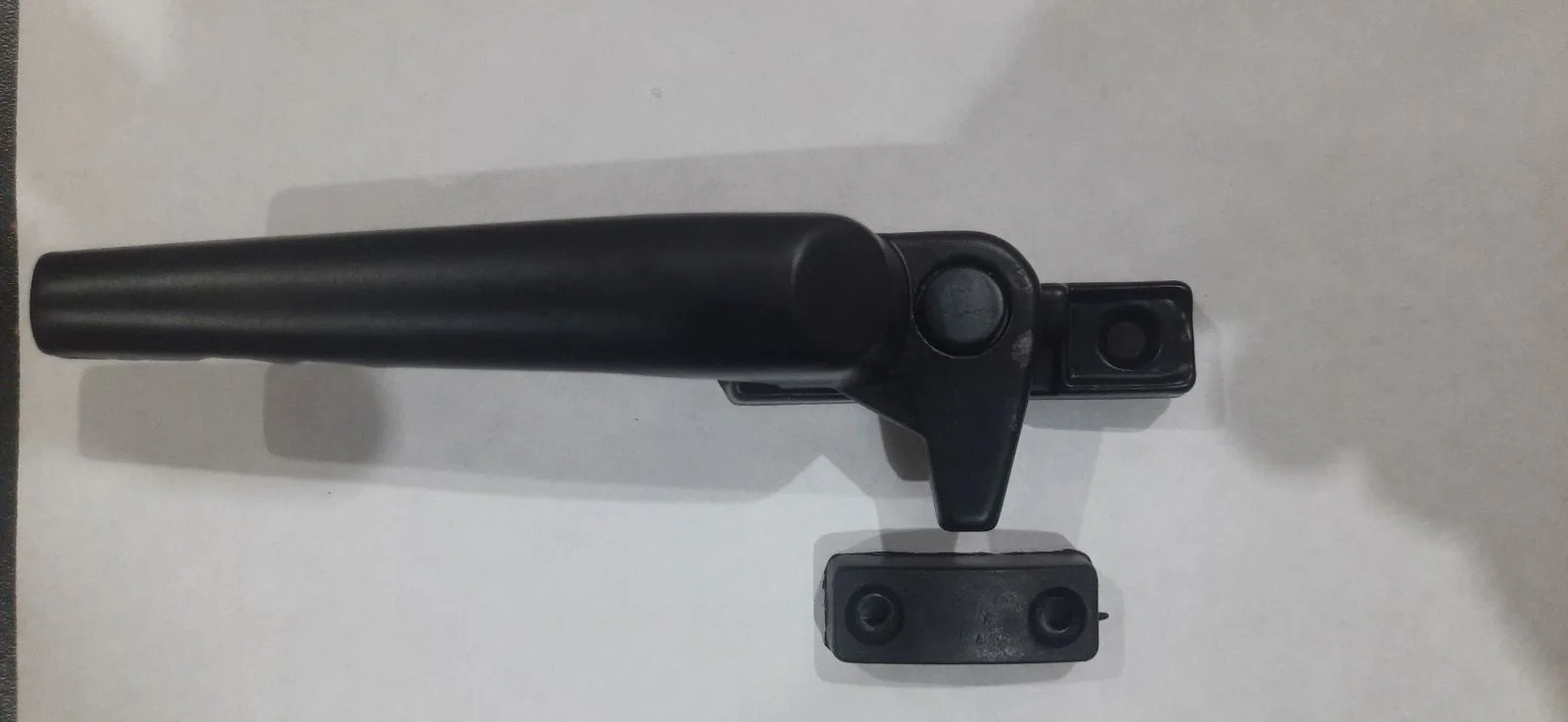
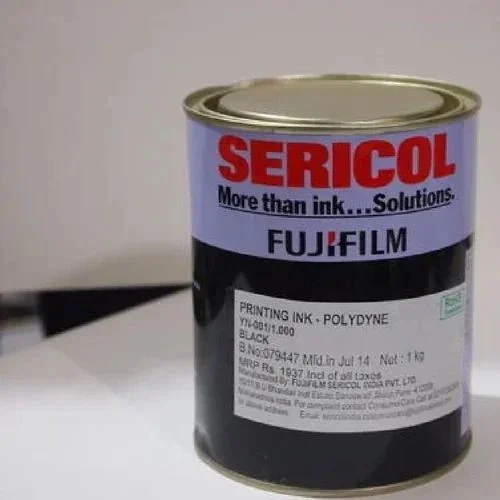
The catalogue’s rubber‑stamp line comprises a flash rubber stamp machine, a bank dater stamp, a rubber‑stamp making machine and a number seal, complemented by accessories like polymer gel, crystal handles, plastic handles, pre‑ink cartridges and booster units. In the rubber‑stamp market, buyers typically evaluate stamping pressure (often 0.8‑1.2 MPa), handle durability (usually ABS or stainless‑steel), and ink viscosity (around 30‑45 cP) to match their production needs. The stationery and printing‑ink items, although not detailed, are generally supplied in standard sizes such as A4 or A3 paper formats and ink viscosities measured in centipoise, with pigment concentration expressed in % weight.
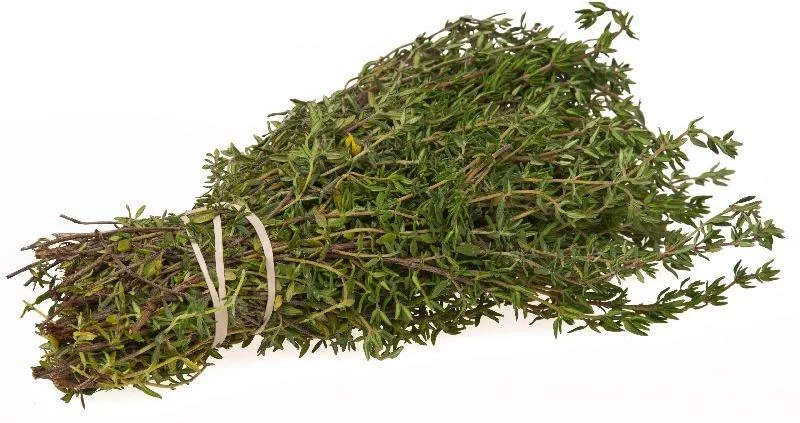
For the herbal side, senna leaves are usually graded by leaf size (large > 6 mm) and moisture content below 12 %, while senna leaf leads are trimmed stems that meet similar moisture limits. Dehydrated ginger is exported in bulk bags of 25 kg or 1 tonne, with a typical moisture level of 8‑10 % and particle size passing through a 2 mm sieve. Industry standards for these botanicals often reference the Indian Pharmacopoeia specifications for purity, ash content and microbial limits, and buyers frequently request a Certificate of Analysis confirming active‑ingredient levels (e.g., sennosides for senna, gingerols for ginger).
Trade and Export Information - Emanuel Exports
India is a major exporter of rubber‑stamp equipment, herbal raw materials and printing consumables, with the United Arab Emirates, European Union members and the United States representing the largest import destinations for these categories. Export shipments of rubber‑stamp machines and accessories are commonly packed in wooden crates or reinforced cardboard, sized to fit 20‑ft or 40‑ft containers, and shipped under FOB or CIF terms. Herbal products such as senna leaves and dry ginger are subject to Indian food‑safety regulations (FSSAI) and often require phytochemical test reports, pesticide residue certificates and a phytosanitary certificate before customs clearance in the destination country.
Buyers importing these goods usually request compliance with ISO 9001 quality‑management systems, and for herbal items GMP or ISO 22000 certification is frequently required by European and North American importers. The HS‑code families involved span Chapter 96 for rubber‑stamp machinery, Chapter 09 for spices, and Chapter 13 for medicinal plants, each of which may trigger specific inspection regimes by the importing customs authority.
Sourcing from Emanuel Exports - Buyer Guidance
When sourcing rubber‑stamp machinery from Emanuel Exports, buyers should ask for a detailed specification sheet that lists motor power (kW), stamping speed (stamps per minute) and required electrical voltage (220‑240 V, 50 Hz). For the stamp consumables, request sample ink viscosity measurements and a material safety data sheet for the polymer gel. Herbal buyers need a recent Certificate of Analysis showing moisture content, total ash, and active‑compound percentages, together with a pesticide residue report that meets EU maximum residue limits. A phytosanitary certificate issued by the Indian agricultural authorities is standard for senna and ginger shipments, and the buyer should verify that packaging meets ISO 9001‑based stacking and moisture‑barrier requirements before loading.
Frequently Asked Questions About Emanuel Exports
What types of rubber‑stamp equipment does Emanuel Exports list?
The supplier lists a flash rubber stamp machine, a bank dater stamp, a rubber‑stamp making machine and a number seal, each designed for office‑type stamping applications.
Which accessories are available for the rubber stamps?
Accessories include polymer gel, crystal handles, plastic rubber‑stamp handles, pre‑ink cartridges and a booster unit, all intended to maintain stamp performance.
What herbal products are offered and in what form?
Emanuel Exports provides senna leaves, senna leaf leads and dehydrated (dry) ginger, typically supplied in bulk bags with moisture limits below 12 %.
What documentation should a buyer request for the herbal items?
Buyers should request a Certificate of Analysis, a pesticide‑residue report, and a phytosanitary certificate that complies with the destination country’s import regulations.
Are there standard quality specifications for the rubber‑stamp consumables?
Typical specifications include ink viscosity around 30‑45 cP, handle material durability (ABS or stainless steel) and stamping pressure between 0.8 and 1.2 MPa.
What are the usual packaging and shipping methods for these products?
Rubber‑stamp machines and accessories are packed in reinforced cardboard or wooden crates for 20‑ft or 40‑ft containers, while herbal bulk items are shipped in 25 kg or 1‑tonne bags inside the same container types, usually under FOB or CIF terms.
Which certifications are commonly required for these product categories?
Importers typically ask for ISO 9001 quality‑management certification for equipment, and GMP or ISO 22000 for herbal commodities, plus any specific export permits required by Indian authorities.
What is the typical lead time for an order from Emanuel Exports?
Lead times vary by product; machinery generally requires 4‑6 weeks for production and testing, while bulk herbal goods can be ready for shipment within 2‑3 weeks after order confirmation.




 , India