Ellagron Greek Flavors — Verified Supplier
About Ellagron Greek Flavors - Food & Beverage Supplier in Greece
Ellagron Greek Flavors is based in Greece and lists ten active products across fruit, oil, honey, water, and mineral categories. The catalogue includes Blonde Raisins, Dried Figs, Dried Black Raisins, Olive Oil, Honey, Natural Mineral Water, Olives, Chutneys, Sea Salt and Jams (Marmalades). These items fall under HS chapter 20 for dried fruits, chapter 15 for edible oils, chapter 17 for sugars and honey, chapter 22 for mineral water, chapter 20/21 for olives and chapter 30 for vegetable preparations and sea salt. The supplier’s trust tier is classified as “harbor”, indicating a moderate level of verification in trade platforms.
The product set covers both raw agricultural goods such as raisins, figs and olives, and processed foods including chutneys, jams and sea salt. Typical industry specifications for these groups include moisture limits of 12‑15 % for dried raisins, fruit flesh content of at least 30 % for fig pieces, free fatty acid content below 0.8 % for extra‑virgin olive oil, and a minimum honey diastase activity of 8 % (DIN 3). Mineral water is generally required to meet EU Directive 98/83/EC for microbiological limits, while sea salt is often graded by grain size and sodium chloride purity above 97 %.
Product Range and Specialties of Ellagron Greek Flavors
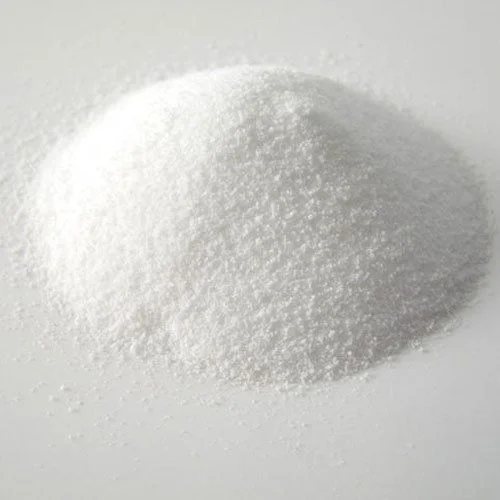
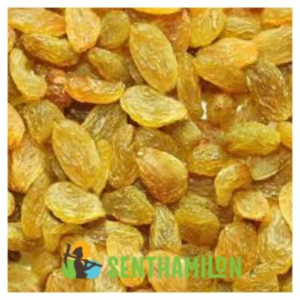
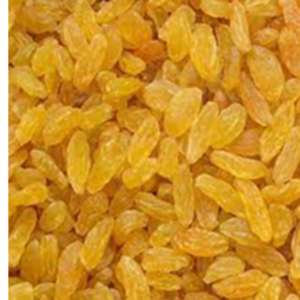
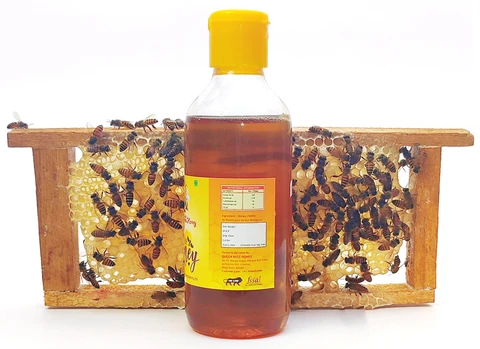
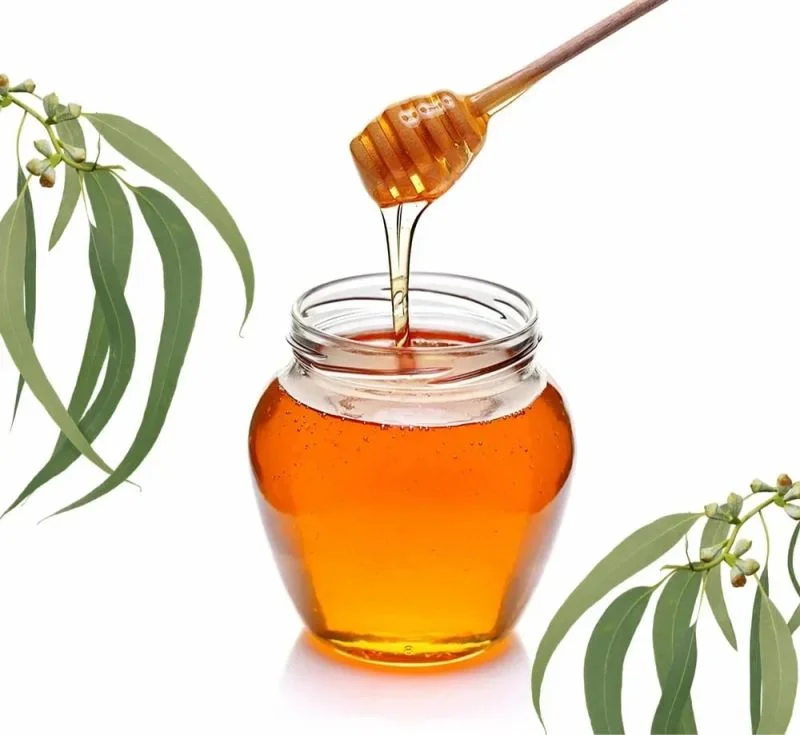
The catalogue lists three dried fruit items - Blonde Raisins, Dried Figs and Dried Black Raisins - which are commonly graded by size (e.g., large > 12 mm) and moisture content (10‑14 %). Olive Oil is typically offered as extra‑virgin with acidity ≤ 0.8 % and peroxide value ≤ 20 meq O₂/kg. Honey products are usually classified by color and pollen count, with standard quality metrics such as HMF < 40 mg/kg. Natural Mineral Water is packaged in PET or glass bottles and must comply with EU water quality parameters for total dissolved solids and microbial counts. Olives are generally supplied as whole or pitted, preserved in brine with a salt concentration of 5‑8 % and a minimum flesh firmness of 2 kg/cm². Processed vegetable pastes, chutneys and jams are produced with fruit or vegetable pulp ratios of 40‑60 % and are often pasteurised to 95 °C for 5 minutes. Sea Salt is marketed in fine or coarse grain, with typical purity of 97‑99 % NaCl and moisture below 0.5 %.
Trade and Export Information - Ellagron Greek Flavors
Greece exports dried fruit, olive oil and mineral water primarily to the European Union, the Middle East, North America and East Asia. HS chapter 20 (dried fruit) and chapter 15 (olive oil) are the most frequently used tariff lines, with duty rates varying by destination. Buyers usually request certificates such as ISO 22000, HACCP, and where applicable Protected Designation of Origin (PDO) or Protected Geographical Indication (PGI) for olive oil and honey. Packaging for export commonly follows EU standards: food‑grade polyethylene bags for raisins, glass jars for honey and jams, stainless‑steel drums for olive oil, and bulk 20‑ft containers for sea salt. Incoterms such as FOB Piraeus or CIF Mediterranean ports are typical for Greek exporters.
Sourcing from Ellagron Greek Flavors - Buyer Guidance
When sourcing from this supplier, request a recent analysis report for each product, including moisture, acidity, microbial limits and pesticide residues. Verify that the supplier can provide ISO 22000 or HACCP documentation, and ask for any PDO/PGI certificates if the product claims a regional origin. Samples should be sent in the same packaging format intended for shipment - e.g., 5 kg polypropylene bags for raisins or 500 ml glass jars for honey - to assess organoleptic properties and label compliance. Confirm the minimum order quantity, lead time for production, and whether the supplier can accommodate container loading plans for bulk sea salt or palletised jars for jams.
Frequently Asked Questions About Ellagron Greek Flavors
What product categories does Ellagron Greek Flavors list?
The supplier lists ten products: Blonde Raisins, Dried Figs, Dried Black Raisins, Olive Oil, Honey, Natural Mineral Water, Olives, Chutneys, Sea Salt and Jams (Marmalades).
Which HS chapters are relevant to these products?
Dried fruits fall under HS chapter 20, olive oil under chapter 15, honey under chapter 17, mineral water under chapter 22, olives under chapter 20/21, and vegetable pastes, chutneys and sea salt under chapter 30.
What quality specifications are typical for the dried raisins?
Raisins are usually required to have moisture between 10 % and 14 % and a size grade of large (>12 mm) or medium (8‑12 mm), with aflatoxin levels below 5 µg/kg.
What certifications should a buyer request for the olive oil?
Buyers should request ISO 22000 or HACCP compliance and, if applicable, PDO/PGI certification. A free‑fatty‑acid analysis showing ≤ 0.8 % is also standard.
How is sea salt typically packaged for export?
Sea salt is commonly packed in 25 kg polypropylene bags or 20‑ft bulk containers, with grain size classified as fine (<150 µm) or coarse (150‑500 µm) and purity above 97 % NaCl.
What documentation is needed for mineral water shipments?
Exporters must provide a water quality certificate meeting EU Directive 98/83/EC, a batch analysis for total dissolved solids, and a packaging compliance statement for PET or glass bottles.
What are common MOQ and lead times for the chutneys and jams?
Typical minimum order quantities are 500 kg per flavor, with a production lead time of 30‑45 days after receipt of a confirmed purchase order and sample approval.




 , Greece