Efako — Verified Supplier
About Efako - Grain Supplier in Netherlands
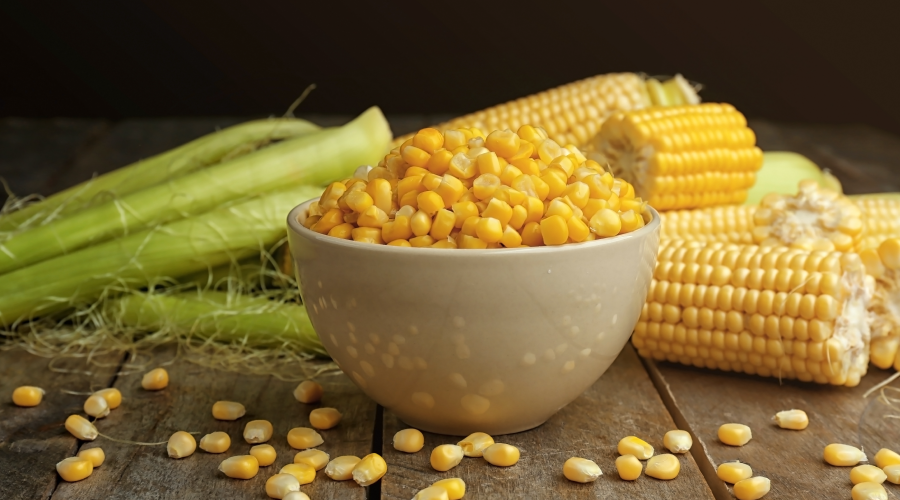
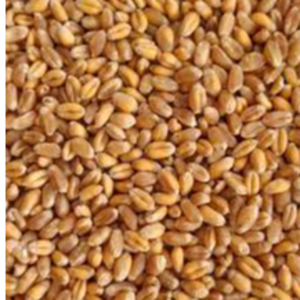
The Netherlands, a key player in the global grain trade, is home to Efako, a supplier with 7 active products. Efako lists a range of grain products, including corn for animal feed, wheat food with varying protein levels, and barley feed. The company also offers steel oil barrels and sugar. Specifically, Efako's catalogue includes corn with 8% protein, wheat with protein levels of 12.5%, 11.5%, and 10%, and barley feed with 10% protein. Additionally, Efako supplies sugar meeting the ICUMSA 45 standard.
Efako's product range reflects the diversity of the grain market, with different products catering to various industries and applications. The company's location in the Netherlands, a major grain hub, enables efficient logistics and export operations. Buyers can expect to find a range of grain products that meet typical industry standards, such as protein levels and moisture content. For instance, wheat food is typically classified into different protein levels, such as 12.5% or 11.5%, to cater to different applications and markets.
Product Range and Specialties of Efako
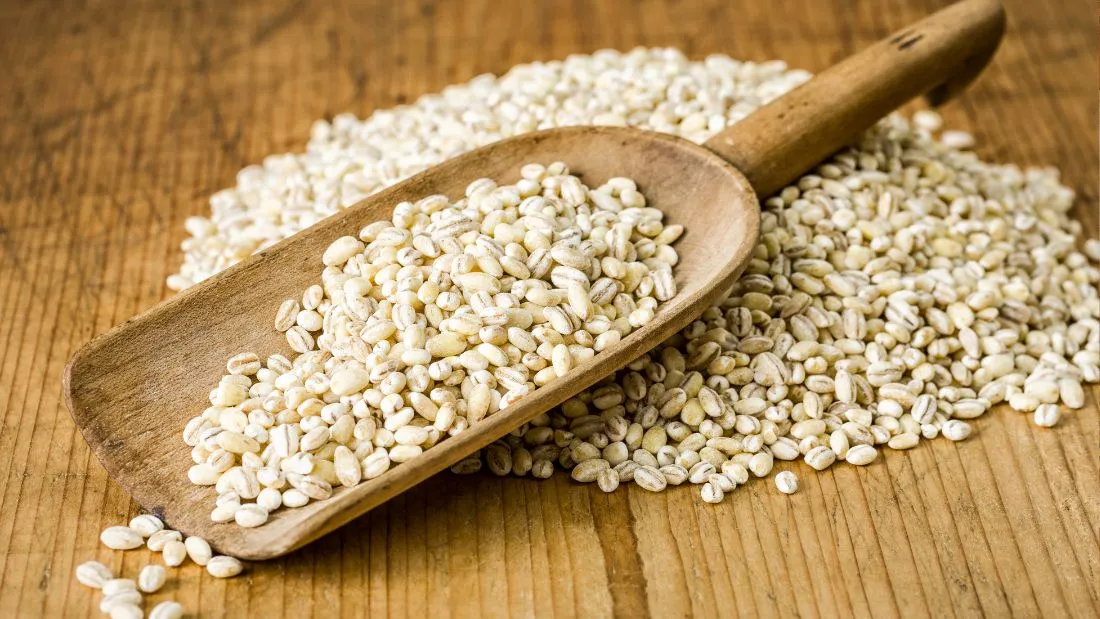
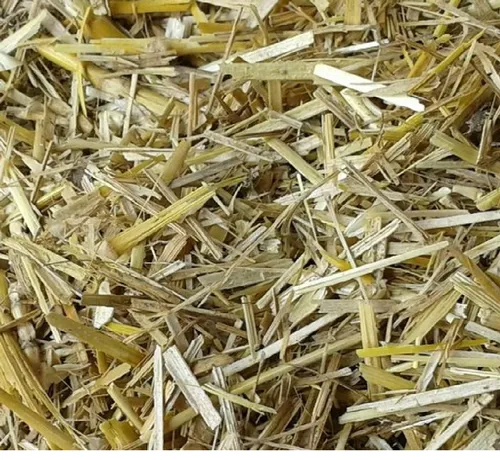
Efako's product catalogue encompasses various grain products, including corn, wheat, and barley. These products are commonly classified based on factors such as protein content, moisture levels, and grain size. For example, wheat food can be classified into different protein levels, such as 12.5% or 11.5%, to cater to different applications and markets. Barley feed, on the other hand, is often categorized based on its protein content, such as 10%. The HS code 1003.90 is typically associated with barley grain, feed grade.
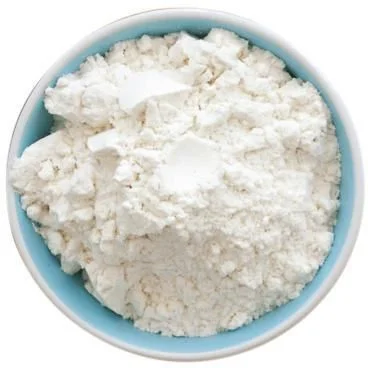
Buyers of grain products like those offered by Efako should be aware of the typical grades and specifications for these commodities. For instance, sugar is often classified according to the ICUMSA standard, which defines the sugar's colour and purity. In the case of Efako's sugar product, it meets the ICUMSA 45 standard, indicating a high level of purity and quality.
Trade and Export Information - Efako
Exporters of grain products, such as Efako, typically deal with a range of industries and regions. The global grain trade involves the movement of goods across different continents, with major importers including countries in Asia, Africa, and Europe. The HS code family for grain products, such as 1003.90 for barley grain, is crucial for customs clearance and regulatory compliance. Certifications like phytosanitary certificates and certificates of origin are often required for grain exports, ensuring the products meet the importing country's standards.
The Netherlands, as a major grain hub, offers a well-developed logistics infrastructure, facilitating the efficient export of grain products. Incoterms like FOB (Free on Board) or CIF (Cost, Insurance, and Freight) are commonly used in grain trade, defining the responsibilities of the buyer and seller. Buyers should be aware of these norms and ensure they are included in their contracts to avoid potential disputes.
Sourcing from Efako - Buyer Guidance
When sourcing grain products from Efako or similar suppliers, buyers should request specifications, samples, and test reports to verify the products' quality and authenticity. For instance, buyers should ask for the protein content, moisture levels, and grain size for wheat or barley products. Additionally, certifications like phytosanitary certificates and certificates of origin should be requested to ensure compliance with importing country regulations.
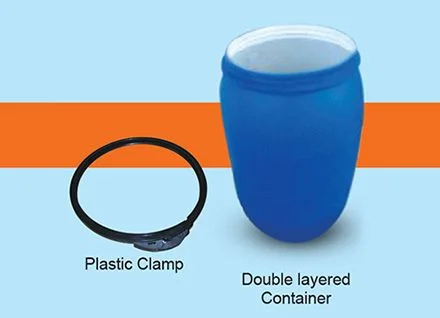
Buyers should also verify the supplier's packaging and shipping procedures to ensure the products are handled and transported properly. This includes checking the type of packaging materials used, such as steel oil barrels, and the shipping terms, like FOB or CIF. By requesting and verifying these details, buyers can minimize the risk of receiving low-quality or non-compliant products.
Frequently Asked Questions About Efako
What types of grain products does Efako offer?
Efako offers a range of grain products, including corn for animal feed, wheat food with varying protein levels, and barley feed. The company also supplies sugar meeting the ICUMSA 45 standard.
What is the HS code for Efako's barley feed product?
The HS code for Efako's barley feed product is 1003.90, which is typically associated with barley grain, feed grade.
What certifications should buyers request when sourcing grain products from Efako?
Buyers should request certifications like phytosanitary certificates and certificates of origin to ensure compliance with importing country regulations. Additionally, buyers may want to request test reports and samples to verify the products' quality and authenticity.
What is the typical packaging used for Efako's steel oil barrels?
The typical packaging used for Efako's steel oil barrels is not specified, but buyers should verify the packaging materials and shipping procedures to ensure the products are handled and transported properly.
What are the typical quality parameters for wheat food products like those offered by Efako?
Typical quality parameters for wheat food products include protein content, moisture levels, and grain size. Buyers should request specifications and test reports to verify these parameters and ensure the products meet their requirements.
How can buyers verify the authenticity of Efako's sugar product?
Buyers can verify the authenticity of Efako's sugar product by requesting a certificate of origin and a test report to confirm the product meets the ICUMSA 45 standard.
What are the typical lead times and MOQ for grain products like those offered by Efako?
The typical lead times and MOQ for grain products vary depending on the supplier and the specific product. Buyers should confirm these details with Efako or similar suppliers to plan their procurement accordingly.
How do buyers ensure compliance with regulatory requirements when sourcing grain products from Efako?
Buyers should request certifications like phytosanitary certificates and certificates of origin, and verify the supplier's packaging and shipping procedures to ensure compliance with importing country regulations.




 , Netherlands