Agriculture›
 Apparel and fashion accessories›
 Construction & real estate›💡Electronic & Electrical›🍎Food & Beverages›🛋️Home furnishing & supplies›⚗️Industrial goods & chemical›🪨Minerals & metals›📦Miscellaneous›Agriculture›Apparel and fashion accessories›Construction & real estate›💡Electronic & Electrical›🍎Food & Beverages›🛋️Home furnishing & supplies›⚗️Industrial goods & chemical›🪨Minerals & metals›📦Miscellaneous›
Domy New Technology (shenzhen) Co., Ltd
⚓ Harbor , ChinaNew supplier / no reviews yet
Domy New Technology (shenzhen) Co., Ltd Product Catalog
About Domy New Technology (shenzhen) Co., Ltd - Solar Power Equipments and Batteries Supplier in China
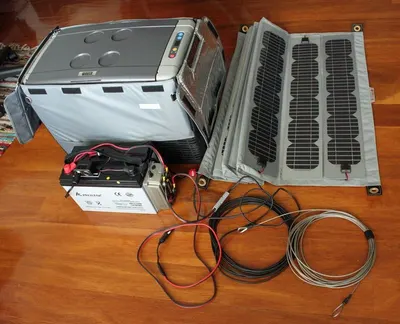
Domy New Technology (shenzhen) Co., Ltd is a China-based supplier registered in Shenzhen, Guangdong Province, operating with 25 active listings concentrated in two closely linked categories: Solar Power Equipments and Batteries & Chargers. Its catalogue is built around portable energy storage systems and portable solar stations, with battery capacities ranging from 10.24 kWh to 25.6 kWh paired with inverter outputs of 5 kW, 6 kW and 8 kW. The supplier also lists a lower-wattage line of portable solar stations from 600 W to 2.5 kW and a series of portable solar folding charger packages from 60 W to 300 W, covering both off-grid household backup and outdoor/mobile power use cases. The product mix reflects the broader shift in southern China's electronics manufacturing corridor toward modular, lithium-based energy storage paired with photovoltaic input. The core of the catalogue sits in HS code family 8507.60, which covers lithium-ion storage batteries, and the listed materials consistently identify Lithium Iron Phosphate (LiFePO4) chemistry, with one model noting LiFePO4 / NMC options. The larger 5 kW to 8 kW units are described as portable storage energy stations with integrated inverter functions, while the smaller 600 W to 2.5 kW units are positioned as portable solar stations, and the 60 W to 300 W items are folding charger packages designed for direct photovoltaic input. Together these 25 listings map a complete product chain from small-scale solar charging kits up to multi-kWh home and small-commercial backup systems, all originating from a single Shenzhen-based supplier.
Product Range and Specialties of Domy New Technology (shenzhen) Co., Ltd
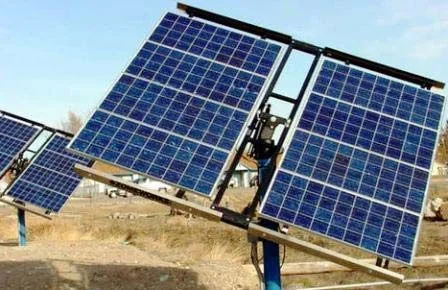
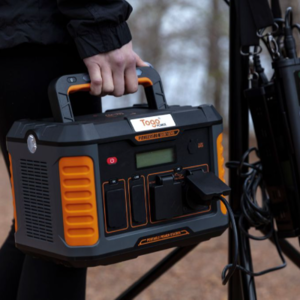
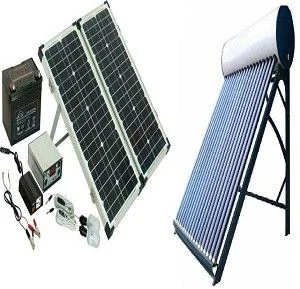
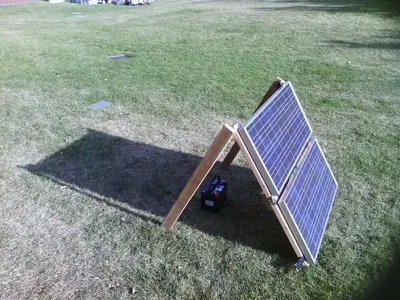
The supplier's catalogue divides into three practical tiers. The first tier is the 5 kW to 8 kW portable storage energy station family, with battery capacities of 10.24 kWh, 15.35 kWh, 20.48 kWh and 25.6 kWh, all built on LiFePO4 cells and housed in steel-aluminum enclosures; several models integrate the inverter directly into the unit. The second tier is the sub-3 kW portable solar station segment, covering 600 W, 1.2 kW, 2.0 kW and 2.5 kW outputs aimed at camping, RV and light off-grid use. The third tier is the portable solar folding charger package line, scaling from 60 W up to 300 W in defined steps (60 W, 60 W Type B, 80 W, 100 W, 120 W, 160 W, 200 W, 300 W), which are typically monocrystalline or polycrystalline panel arrays with foldable designs and USB/DC outputs. Within the portable energy storage category, LiFePO4 has become the dominant chemistry for stationary and semi-stationary units because of its thermal stability, cycle life commonly rated at 2,000 to 6,000 cycles at 80 percent depth of discharge, and lower fire risk compared to NMC variants. Buyers in this segment typically compare products on continuous inverter output (kW), peak/surge rating, battery capacity in kWh, round-trip efficiency (often quoted in the 85 to 95 percent range), charge and discharge rates (C-rate), and the number of AC outlets, DC ports and USB ports. For solar folding panels, the relevant parameters are panel wattage, open-circuit voltage, conversion efficiency (typically 19 to 23 percent for mono cells), folded versus deployed dimensions, weight, and IP rating for outdoor use. The supplier's range covers the full wattage ladder that buyers in this category expect, from pocket-size 60 W panels up to 25.6 kWh home backup stations.
Frequently Asked Questions About Domy New Technology (shenzhen) Co., Ltd
What product categories does Domy New Technology (shenzhen) Co., Ltd list?
The supplier lists 25 active products concentrated in Solar Power Equipments and Batteries & Chargers, covering portable energy storage systems from 5 kW to 8 kW with 10.24 kWh to 25.6 kWh LiFePO4 battery capacity, portable solar stations from 600 W to 2.5 kW, and portable solar folding charger packages from 60 W to 300 W.
Which battery chemistry is used in the larger storage systems?
The catalogue consistently identifies Lithium Iron Phosphate (LiFePO4) as the cell chemistry, with one 8 kW model also noting LiFePO4 / NMC options. LiFePO4 is the standard choice for stationary and portable storage because of its thermal stability and long cycle life.
What HS codes apply to the listed battery storage products?
The supplier lists HS code 8507.60 (and 8507.60.00 in some entries) for the portable storage energy stations, which is the family covering lithium-ion storage batteries. Solar folding panels typically fall under a different HS family (8541.40 / 8541.43) and the supplier has not assigned HS codes to those items.
Which certifications should a buyer request before importing these products?
Buyers should request UN 38.3 for lithium battery transport, MSDS, CE, FCC, RoHS, IEC 62619 or UL 1973 for the battery pack, IEC 62109 for the inverter, and IEC 61215 / IEC 61730 for the PV folding panels, depending on the destination market.
What is the typical minimum order quantity and lead time to confirm?
MOQ and lead time are not stated in the catalogue and must be requested directly. For this category, portable storage stations typically carry higher per-unit MOQs and longer production lead times than the smaller folding panel line, and sample lead times of 7 to 15 days are common.
ChinaRelated Suppliers & Products
Explore similar suppliers, related products and trending categories