DNS Global Foods — Verified Supplier
About DNS Global Foods - Freeze Dried Foods Supplier in India
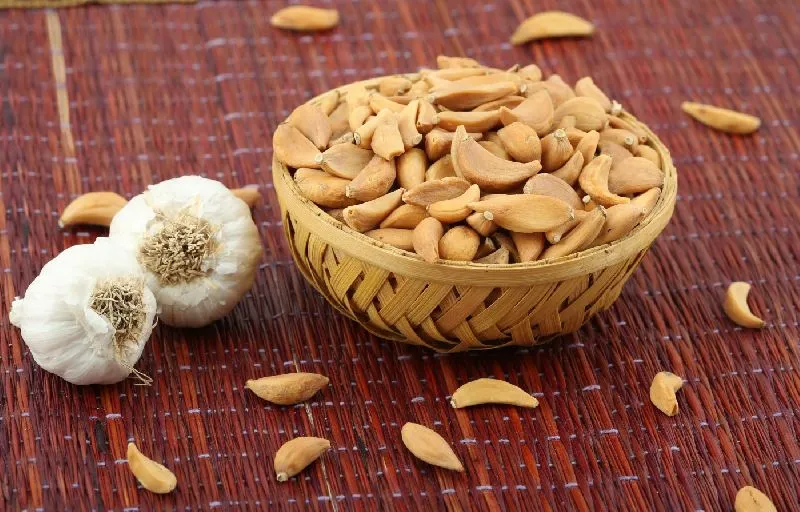
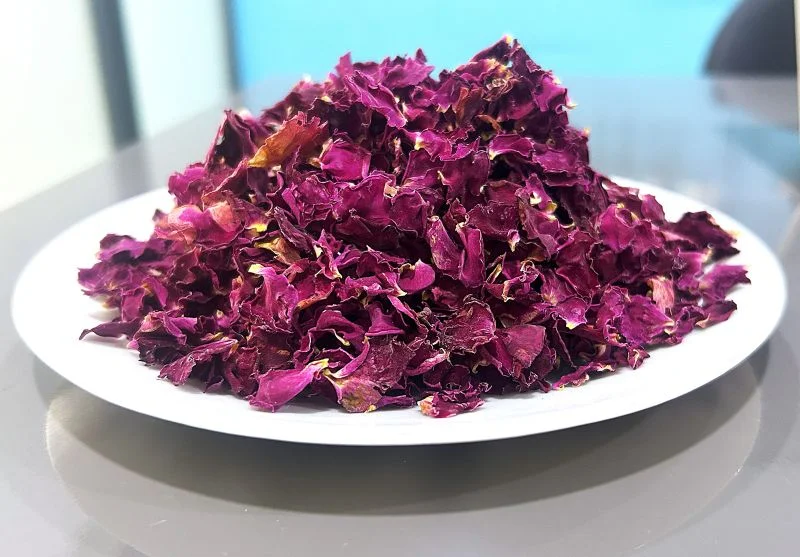
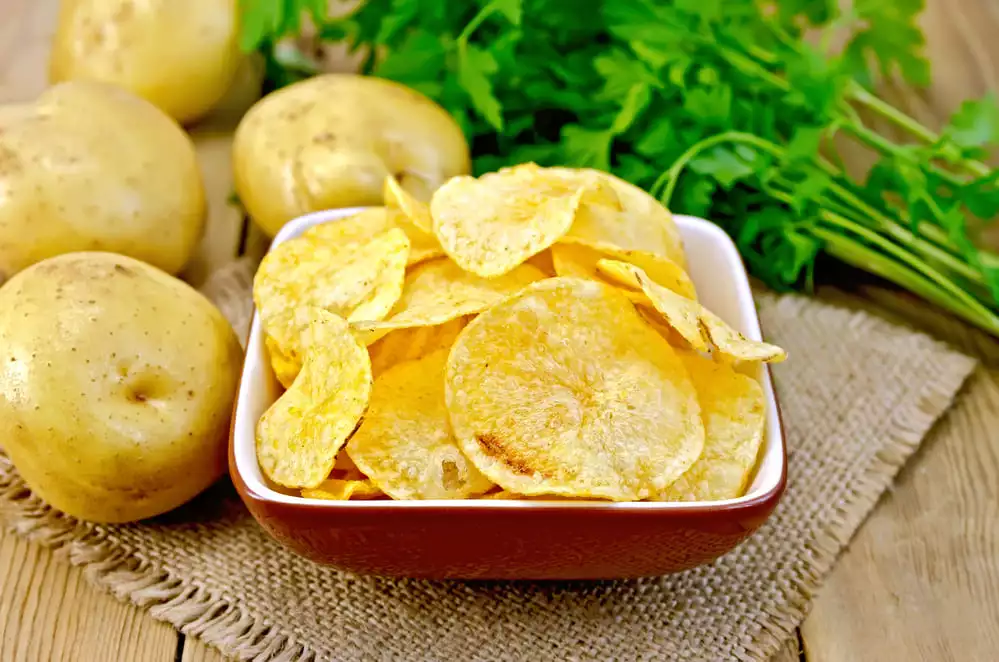
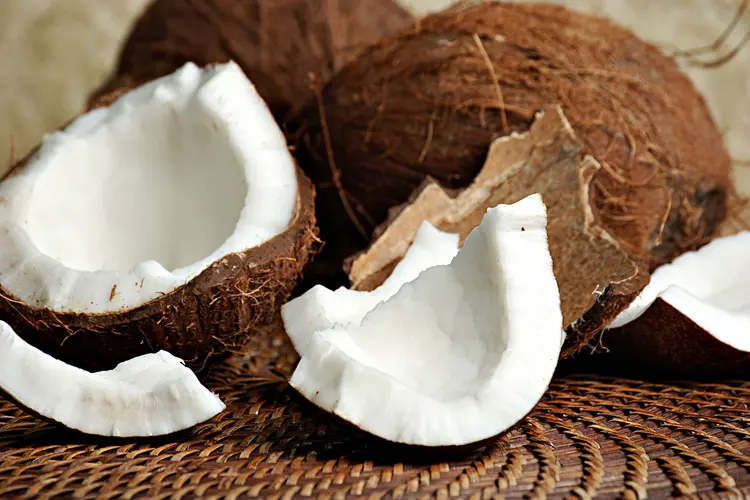
DNS Global Foods is based in India and lists 32 active freeze‑dried and milk‑powder items in its catalogue. The supplier’s portfolio includes freeze‑dried pomegranate arils, blackberry, banana, pineapple, raspberry crumbles, blueberry, mango, as well as freeze‑dried powders such as Indian gooseberry (Amla) and beetroot, plus several freeze‑dried milk powders including camel and A2 cow milk. The catalogue also contains freeze‑dried vegetables like potato, yellow bell pepper, celery and pumpkin, and specialty botanical products such as rose buds, rose, and moringa. Each product is presented under the generic HS‑code families for dried fruits, vegetables and milk powders, reflecting standard customs classifications for Indian exporters. The list further extends to freeze‑dried herbs (ginger, garlic), berries (wild blueberries, blackcurrants) and niche items like freeze‑dried coconut water and green peppercorns.
The product set reflects a focus on high‑value, low‑moisture commodities that are commonly used in food‑processing, nutraceutical and confectionery applications. By offering both fruit and vegetable varieties together with dairy powders, DNS Global Foods covers several HS‑code chapters (08 for fruits, 07 for vegetables, 04 for dairy powders) that are regularly shipped to markets in Europe, North America and the Middle East. All items are described as freeze‑dried, a process that typically reduces moisture to below 5 % and extends shelf life to 12‑24 months when packed in moisture‑proof containers.
Product Range and Specialties of DNS Global Foods
The catalogue is centred on freeze‑dried fruit and vegetable products, with items ranging from single‑serve arils to bulk powders. Freeze‑dried fruits such as pomegranate, mango, pineapple and berries are usually graded by colour uniformity, moisture content (<5 %) and rehydration ratio, while freeze‑dried vegetables are evaluated for texture retention and vitamin stability. Milk powders listed - camel and A2 cow - fall under the standard dairy‑powder specifications of total solids ≥ 96 % and fat ≤ 1.5 %. In the broader industry, freeze‑dried foods are often packaged in vacuum‑sealed PET/Aluminium pouches or multi‑layer bags of 5 kg or 25 kg, with nitrogen flushing to prevent oxidation. Typical quality grades reference ISO 22000 hygiene standards and HACCP compliance, and buyers frequently request certificates for microbial limits (e.g., total plate count < 10 CFU/g) and pesticide residues compliant with EU maximum residue limits.
Beyond the listed items, the freeze‑drying sector in India commonly supplies products that meet ICUMSA colour grades for powders, and for fruit powders, a Brix value of 70‑75 % is standard. Exporters also label products with the HS‑code 0804.30 (other dried fruits) or 0805.20 (other dried vegetables) to facilitate customs clearance.
Trade and Export Information - DNS Global Foods
India is a major exporter of freeze‑dried fruits, vegetables and dairy powders, with the European Union, United States and Gulf Cooperation Council countries representing the bulk of demand. Buyers in these regions typically require HS‑chapter 08 (fruits) or 07 (vegetables) documentation, along with phytosanitary certificates and, for dairy powders, a Certificate of Origin and compliance with the Codex Alimentarius standards for milk‑derived products. Commonly requested certifications include ISO 9001, ISO 22000, HACCP, FSSC 22000 and, where applicable, organic or non‑GMO verification. Standard packaging for bulk shipments is 20‑ft or 40‑ft containers using insulated pallets; a 20‑ft container can hold approximately 1 ton of freeze‑dried fruit in 5 kg bags, while milk powders are often shipped in 25 kg polyethylene bags. Incoterms such as FOB Mumbai or CIF Dubai are frequently used, and exporters must ensure that the moisture content and microbial test reports accompany the shipping documents to satisfy importer‑country regulations.
The Indian export framework requires a pre‑export inspection by the Agricultural and Processed Food Products Export Development Authority (APEDA) for many freeze‑dried items, especially those destined for the EU. This inspection checks for moisture, foreign matter, and compliance with pesticide residue limits. Successful inspection results in a phytosanitary certificate, which, together with the commercial invoice and packing list, completes the customs filing for most destination markets.
Sourcing from DNS Global Foods - Buyer Guidance
When sourcing freeze‑dried products from DNS Global Foods, buyers should request a recent Certificate of Analysis that details moisture content, microbial counts, and any pesticide residue findings. For milk powders, a detailed specification sheet confirming total solids, fat content, and lactose levels is advisable. Requesting a sample batch packaged in the same material as the commercial lot (e.g., nitrogen‑flushed PET pouch) helps verify rehydration performance and flavour retention before placing a larger order.
Buyers should also confirm that the supplier can provide the required certifications - ISO 22000, HACCP or organic - depending on the target market’s regulations. Verifying the APEDA phytosanitary inspection report and ensuring the HS‑code declaration matches the product description are essential steps to avoid customs delays. Finally, clarify the minimum order quantity, which for most freeze‑dried fruits is 500 kg per SKU, and negotiate lead times that typically range from 30 to 45 days after order confirmation.
Frequently Asked Questions About DNS Global Foods
What freeze‑dried fruit varieties does DNS Global Foods offer?
The supplier lists freeze‑dried pomegranate arils, blackberry, banana, pineapple, whole raspberries, blueberry, mango, papaya powder, coconut water, green peppercorns, blackcurrants, wild blueberries and several berry crumbles.
Are milk powders available in the catalogue?
Yes, freeze‑dried camel milk powder and A2 cow milk powder are included, both meeting standard dairy‑powder specifications for total solids and fat content.
Which certifications can buyers expect from DNS Global Foods?
The facts do not specify certifications; buyers should request ISO 22000, HACCP, FSSC 22000 or organic certificates if required for their market.
What is the typical packaging format for the freeze‑dried items?
Industry practice for these products is vacuum‑sealed PET/Aluminium pouches or multi‑layer bags, commonly in 5 kg or 25 kg sizes, with nitrogen flushing to preserve quality.
What are the usual minimum order quantities (MOQ) for these products?
For most freeze‑dried fruits and vegetables the MOQ is around 500 kg per SKU, while milk powders often start at 200 kg per batch.
What lead time should a buyer anticipate?
Lead times generally range from 30 to 45 days after order confirmation, depending on product complexity and required certifications.
Which HS‑code chapters cover the products in this catalogue?
Freeze‑dried fruits fall under HS chapter 08 (e.g., 0804.30 for other dried fruits), vegetables under chapter 07 (e.g., 0709 for dried vegetables), and milk powders under chapter 04 (e.g., 0402 for milk powder).
What documentation is required for import into the EU?
Importers should obtain a phytosanitary certificate from APEDA, a Certificate of Origin, the supplier’s Certificate of Analysis, and any relevant food safety certifications such as ISO 22000 or HACCP.




 , India