Diamond Jute Diversification & Co. — Verified Supplier
About Diamond Jute Diversification & Co. - Jute Yarn & Fabric Supplier in Bangladesh
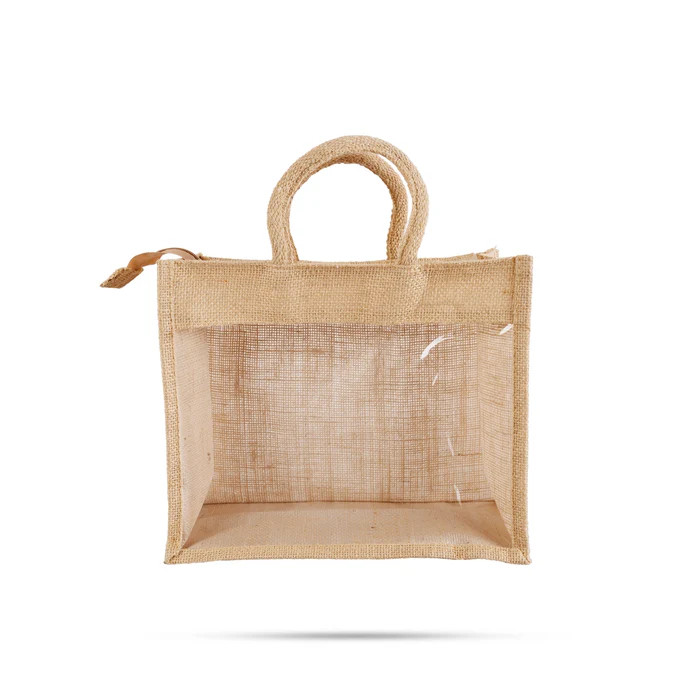
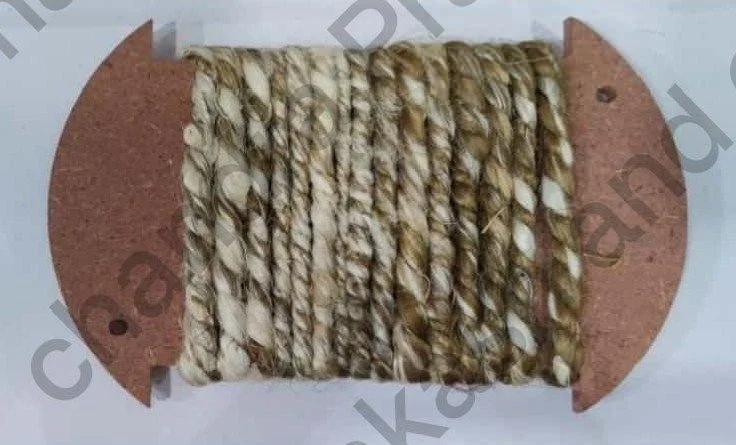
Bangladesh, particularly the region around Dhaka, is home to Diamond Jute Diversification & Co., a supplier with an active product count of 10. The company lists a range of jute products, including jute yarn, jute ribbon, 3 strands jute rope, jute cloth, hogla basket, jute nursery tape, drawstring burlap bag, jute shopping bag, jute cotton bag, and jute webbing. These products fall under the categories of Agriculture and Jute Yarn & Fabric, with HS code families including 5307 for jute yarn and 6305 for jute fabric.
Buyers from regions such as Europe, North America, and Australia typically import jute products from Bangladesh, with the majority of exports going to these regions. The country's strategic location and extensive transportation network make it an ideal location for trade and export.
Product Range and Specialties of Diamond Jute Diversification & Co.
Diamond Jute Diversification & Co.'s product range includes various types of jute products, such as jute yarn, jute ribbon, and jute cloth. These products are commonly used in the production of bags, ropes, and other textile products. The company's catalogue also features hogla baskets and jute nursery tape, which are used in agriculture and horticulture. Buyers of jute products usually require specifications such as yarn count, fabric weight, and moisture content, as well as certifications like ISO 9001 and ISO 14001.
In the jute industry, typical quality parameters include tensile strength, elongation at break, and moisture content. Buyers should request test reports and samples to verify the quality of the products before placing an order. Additionally, certifications like GOTS and GRS are commonly required for jute products, particularly those used in textile production.
Trade and Export Information - Diamond Jute Diversification & Co.
Exporters of jute products from Bangladesh, like Diamond Jute Diversification & Co., typically export to regions such as Europe, North America, and Australia. The HS code families involved in the export of jute products include 5307 for jute yarn and 6305 for jute fabric. Certifications like ISO 9001 and ISO 14001 are commonly required for jute products, particularly those used in textile production.
In terms of logistics, jute products are often shipped in 20 ft or 40 ft containers, with packaging materials like jute bags or polypropylene bags. Incoterms like FOB and CIF are commonly used in the trade of jute products. Buyers should be aware of the regulatory requirements and standards for jute products in their region, such as the EU's REACH regulation and the US's CPSIA.
Sourcing from Diamond Jute Diversification & Co. - Buyer Guidance
When sourcing from Diamond Jute Diversification & Co., buyers should request specifications like yarn count, fabric weight, and moisture content, as well as certifications like ISO 9001 and ISO 14001. It is also essential to verify the quality of the products by requesting test reports and samples before placing an order.
Buyers should also be aware of the regulatory requirements and standards for jute products in their region, such as the EU's REACH regulation and the US's CPSIA. Additionally, they should confirm the packaging and shipping details, including the use of jute bags or polypropylene bags, and the Incoterms used in the trade.
Frequently Asked Questions About Diamond Jute Diversification & Co.
What types of jute products does Diamond Jute Diversification & Co. offer?
Diamond Jute Diversification & Co. offers a range of jute products, including jute yarn, jute ribbon, 3 strands jute rope, jute cloth, hogla basket, jute nursery tape, drawstring burlap bag, jute shopping bag, jute cotton bag, and jute webbing.
What are the common quality parameters for jute products?
Common quality parameters for jute products include tensile strength, elongation at break, and moisture content. Buyers should request test reports and samples to verify the quality of the products before placing an order.
What certifications are commonly required for jute products?
Certifications like ISO 9001 and ISO 14001 are commonly required for jute products, particularly those used in textile production. Buyers should also request certifications like GOTS and GRS, particularly for products used in textile production.
How are jute products typically packaged and shipped?
Jute products are often shipped in 20 ft or 40 ft containers, with packaging materials like jute bags or polypropylene bags. Incoterms like FOB and CIF are commonly used in the trade of jute products.
What regulatory requirements should buyers be aware of?
Buyers should be aware of the regulatory requirements and standards for jute products in their region, such as the EU's REACH regulation and the US's CPSIA. They should also confirm the packaging and shipping details, including the use of jute bags or polypropylene bags, and the Incoterms used in the trade.
How can buyers verify the quality of jute products before placing an order?
Buyers can verify the quality of jute products by requesting test reports and samples before placing an order. They should also request specifications like yarn count, fabric weight, and moisture content, as well as certifications like ISO 9001 and ISO 14001.
What is the typical lead time for jute products?
The typical lead time for jute products can vary depending on the product and the supplier. Buyers should confirm the lead time with the supplier before placing an order.
What is the minimum order quantity (MOQ) for jute products?
The MOQ for jute products can vary depending on the product and the supplier. Buyers should confirm the MOQ with the supplier before placing an order.




 , Bangladesh