Agriculture›
 Apparel and fashion accessories›
 Construction & real estate›💡Electronic & Electrical›🍎Food & Beverages›🛋️Home furnishing & supplies›⚗️Industrial goods & chemical›🪨Minerals & metals›📦Miscellaneous›Agriculture›Apparel and fashion accessories›Construction & real estate›💡Electronic & Electrical›🍎Food & Beverages›🛋️Home furnishing & supplies›⚗️Industrial goods & chemical›🪨Minerals & metals›📦Miscellaneous›
Daksha Overseas Exports Product Catalog
About Daksha Overseas Exports - Fruit & Nut Supplier in India
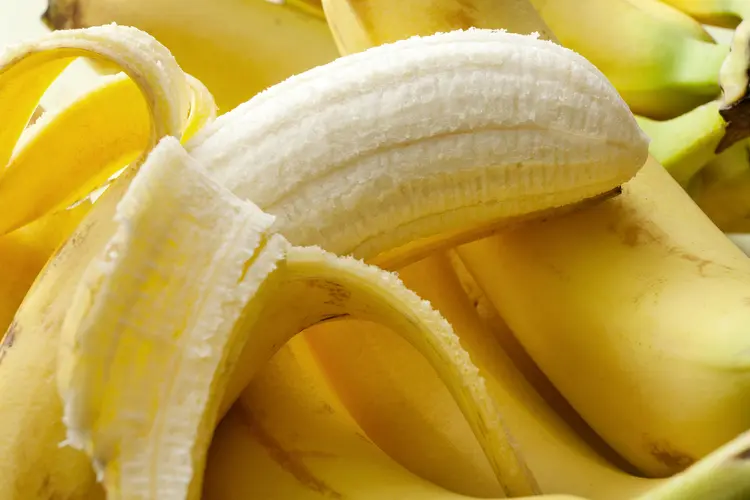
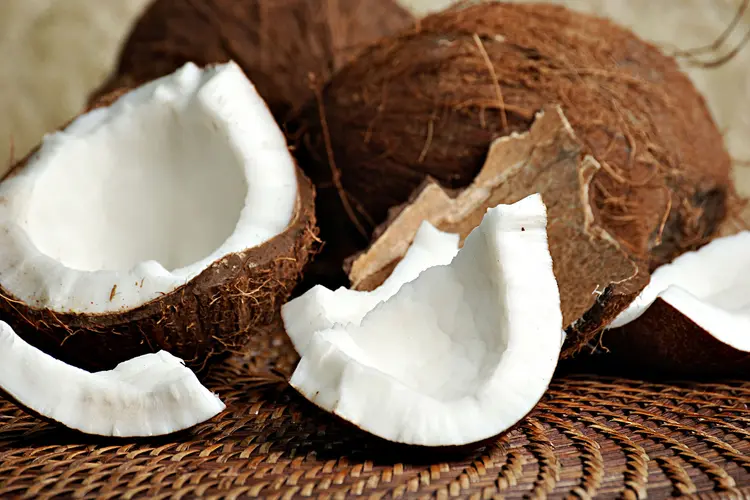
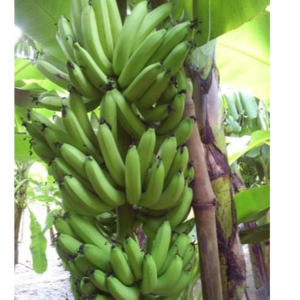
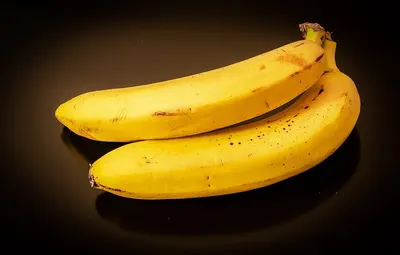
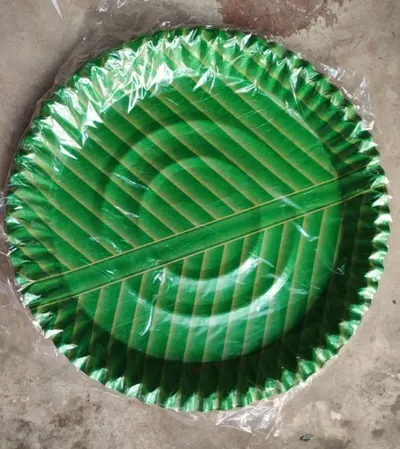
India‑based Daksha Overseas Exports lists five active product lines. The catalogue includes fresh Cavendish banana classified under HS code 0803.90, fresh coconut, makhana (also known as fox nuts), areca leaf plates and peanut seeds. The banana entry specifies Grade A fresh fruit (Musa acuminata) and is the only product with an explicit HS code in the supplied data. The remaining items are described by product name only, without HS codes or material specifications in the facts. The supplier’s top categories cover tropical fruit, tree nuts and plant‑based snack items, reflecting a focus on horticultural and agro‑processed goods.
Product Range and Specialties of Daksha Overseas Exports
The banana offering is a Grade A fresh fruit, typical of export shipments that meet size, color and Brix standards such as ICUMSA 45 for sugar content in related fruit juices. Coconut exports are usually whole or desiccated, graded by size (e.g., 6‑10 cm) and moisture content below 6 %. Makhana is a water‑bean harvested from ponds, commonly exported in cleaned, dried form with a moisture level under 12 % and size grades of 8‑12 mm. Areca leaf plates are biodegradable tableware made from mature palm fronds, often sold in stacks of 500‑1000 per carton. Peanut seeds refer to raw in‑shell peanuts, typically graded by kernel size (e.g., 12‑16 mm) and oil content around 45 %.
Frequently Asked Questions About Daksha Overseas Exports
What HS code does Daksha Overseas Exports use for its banana product?
The banana product is listed under HS code 0803.90, which falls within Chapter 08 for edible fruit and nuts.
Which markets does Daksha Overseas Exports primarily target?
The facts do not name target markets; however Indian exporters of these products commonly serve the Gulf Cooperation Council, European Union and Southeast Asian regions.
Are phytosanitary certificates available for the fresh fruit and nut items?
The supplier’s catalogue does not specify certificates, but buyers typically request a phytosanitary certificate for bananas, coconuts and peanuts to satisfy import regulations.
What are the typical packaging formats for coconut and peanut seeds?
Coconuts are usually packed whole in wooden crates or bulk bags, while peanut seeds are commonly packed in 25 kg polypropylene bags placed inside standard 20 ft containers.
Does the supplier provide quality test reports for makhana?
No specific test reports are listed, however buyers normally ask for moisture content and microbial safety reports for makhana shipments.
 India
Related Suppliers & Products
Explore similar suppliers, related products and trending categories