CV Esita Janitra Samika — Verified Supplier
About CV Esita Janitra Samika - Coconut Sugar Supplier in Indonesia
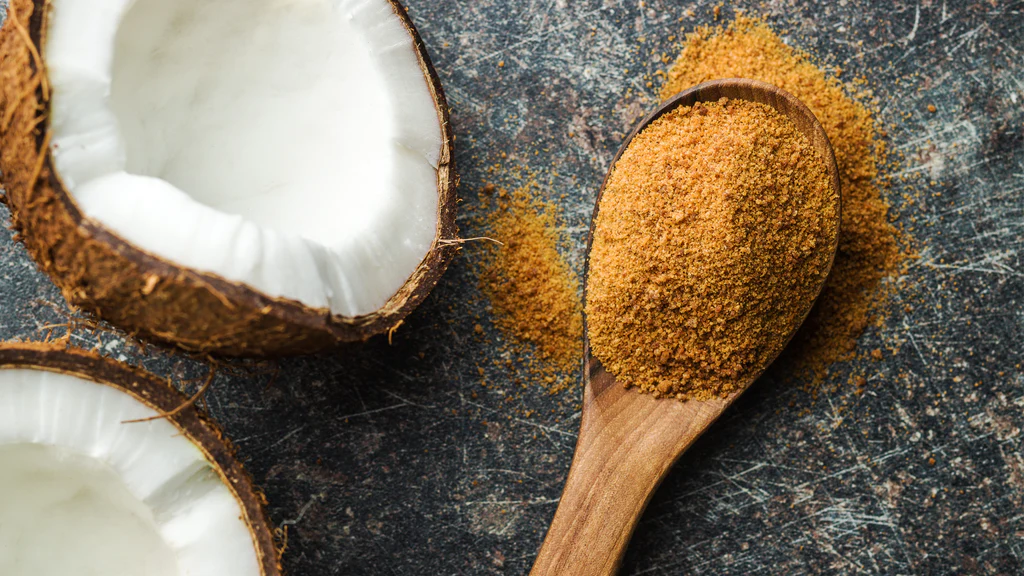
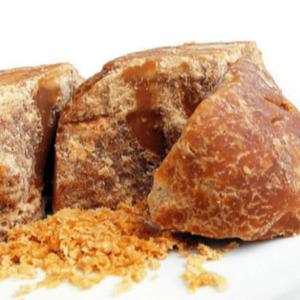
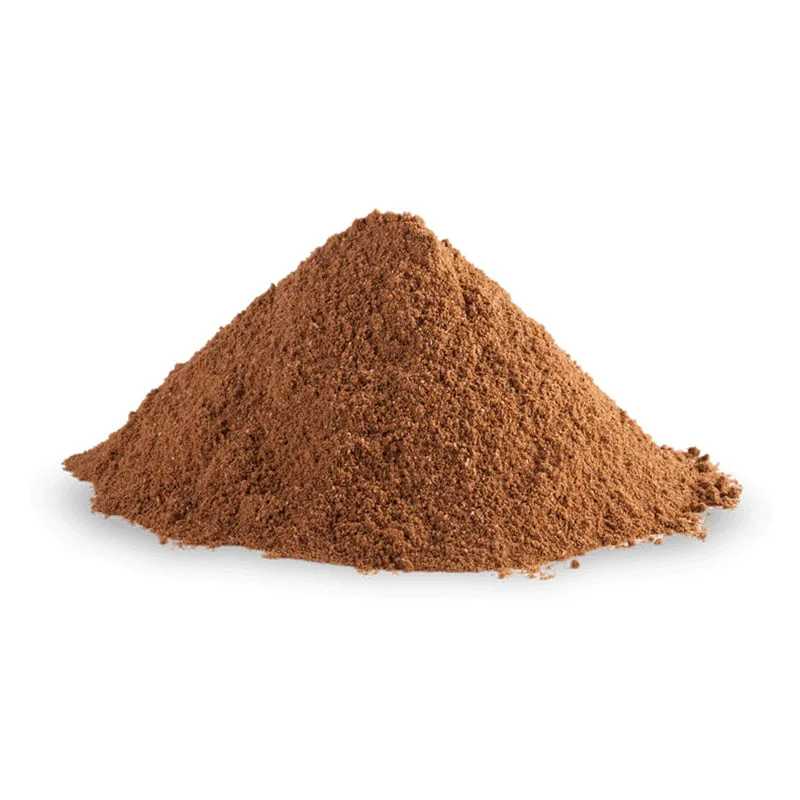
CV Esita Janitra Samika is located in Indonesia, with 5 active products in its catalogue. The company lists a variety of coconut sugar products, including Organic Coconut Nectar Syrup, Organic Coconut Sugar Granules Bulk 25 Kgs, Coconut Sugar Blocks, and Organic Coconut Sugar Granules pouch 250 grms, as well as Frozen Baby Squid, Cuttlefish. Indonesia is a significant producer of coconut sugar, with many exporters shipping their goods to regions such as Asia, Europe, and the Americas. Coconut sugar exporters typically need to adhere to strict quality standards, including ICUMSA 45 for refined sugar.
The city/region where CV Esita Janitra Samika operates is not specified, but Indonesia's coconut sugar industry is known for its quality products, with many suppliers holding certifications such as ISO 9001 or HACCP. Buyers of coconut sugar usually require specifications such as moisture content, purity, and grain size, with typical ranges including 0.5-1.5% moisture and 99-100% purity. The HS code families involved in coconut sugar trade include 1701.13 and 1701.14, with goods typically shipped in 20 ft or 40 ft containers.
Product Range and Specialties of CV Esita Janitra Samika
CV Esita Janitra Samika's catalogue includes a range of coconut sugar products, with different packaging options such as bulk 25 Kgs or pouch 250 grms. The company also lists Frozen Baby Squid, Cuttlefish, which is a by-product of the coconut industry. Buyers of coconut sugar typically look for products with high purity and low moisture content, with some buyers requiring additional certifications such as USDA Organic or Fairtrade. The typical grades of coconut sugar include fine, medium, and coarse, with different applications such as baking, cooking, or cosmetics.
The materials used in coconut sugar production include coconut sap, with some suppliers using organic or sustainable farming practices. The standard specifications for coconut sugar include ICUMSA 45 for refined sugar, with some buyers requiring additional testing such as heavy metal or microbial analysis. The common materials and variants buyers see in this category include refined sugar, brown sugar, and muscovado sugar, with different packaging options such as bags, sacks, or containers.
Trade and Export Information - CV Esita Janitra Samika
Exporters of coconut sugar from Indonesia typically ship their goods to regions such as Asia, Europe, and the Americas, with many buyers requiring certifications such as ISO 9001 or HACCP. The HS code families involved in coconut sugar trade include 1701.13 and 1701.14, with goods typically shipped in 20 ft or 40 ft containers. The Incoterms used in coconut sugar trade include CIF, FOB, and EXW, with buyers typically requiring specifications such as moisture content, purity, and grain size.
The origin country of Indonesia has a significant coconut sugar industry, with many suppliers exporting their goods to different regions. The regulatory context for coconut sugar trade includes adherence to food safety standards such as HACCP or GMP, with buyers typically requiring additional certifications such as USDA Organic or Fairtrade. The logistics norms for coconut sugar trade include shipping in dry, cool conditions, with some buyers requiring additional packaging such as plastic bags or cardboard boxes.
Sourcing from CV Esita Janitra Samika - Buyer Guidance
Buyers sourcing from CV Esita Janitra Samika should request specifications such as moisture content, purity, and grain size, with typical ranges including 0.5-1.5% moisture and 99-100% purity. The certifications typically required for coconut sugar include ISO 9001 or HACCP, with some buyers requiring additional certifications such as USDA Organic or Fairtrade. Buyers should verify the supplier's certifications and test reports before ordering, with some buyers requiring additional testing such as heavy metal or microbial analysis.
The documents typically required for coconut sugar trade include commercial invoices, packing lists, and certificates of origin, with some buyers requiring additional documents such as phytosanitary certificates or fumigation certificates. Buyers should confirm the supplier's MOQ and lead time before ordering, with some suppliers requiring a minimum order quantity of 100 Kgs or more. The packaging and shipping requirements for coconut sugar trade include shipping in dry, cool conditions, with some buyers requiring additional packaging such as plastic bags or cardboard boxes.
Frequently Asked Questions About CV Esita Janitra Samika
What is the typical moisture content of coconut sugar?
The typical moisture content of coconut sugar is between 0.5-1.5%, with some buyers requiring lower or higher moisture content depending on their application.
What is the typical purity of coconut sugar?
The typical purity of coconut sugar is between 99-100%, with some buyers requiring higher or lower purity depending on their application.
What is the HS code for coconut sugar?
The HS code for coconut sugar is 1701.13 or 1701.14, depending on the type and packaging of the product.
What is the typical packaging for coconut sugar?
The typical packaging for coconut sugar includes bags, sacks, or containers, with some buyers requiring additional packaging such as plastic bags or cardboard boxes.
What is the MOQ for coconut sugar?
The MOQ for coconut sugar varies depending on the supplier, but some suppliers require a minimum order quantity of 100 Kgs or more.
What is the lead time for coconut sugar?
The lead time for coconut sugar varies depending on the supplier, but some suppliers require 2-4 weeks or more for production and shipping.
What certifications are typically required for coconut sugar?
The certifications typically required for coconut sugar include ISO 9001 or HACCP, with some buyers requiring additional certifications such as USDA Organic or Fairtrade.
What documents are typically required for coconut sugar trade?
The documents typically required for coconut sugar trade include commercial invoices, packing lists, and certificates of origin, with some buyers requiring additional documents such as phytosanitary certificates or fumigation certificates.




 , Indonesia