Company A.V.E. Star — Verified Supplier
About Company A.V.E. Star - Agriculture Supplier in Ukraine
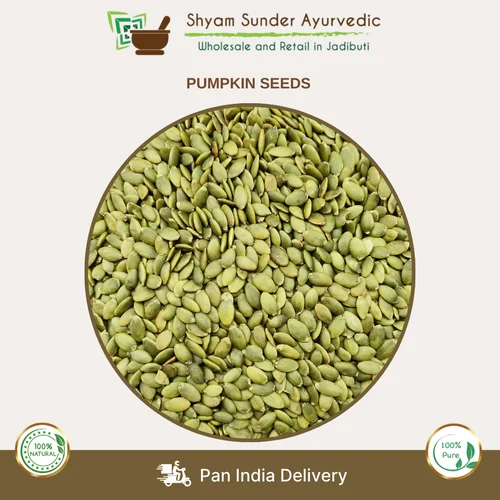
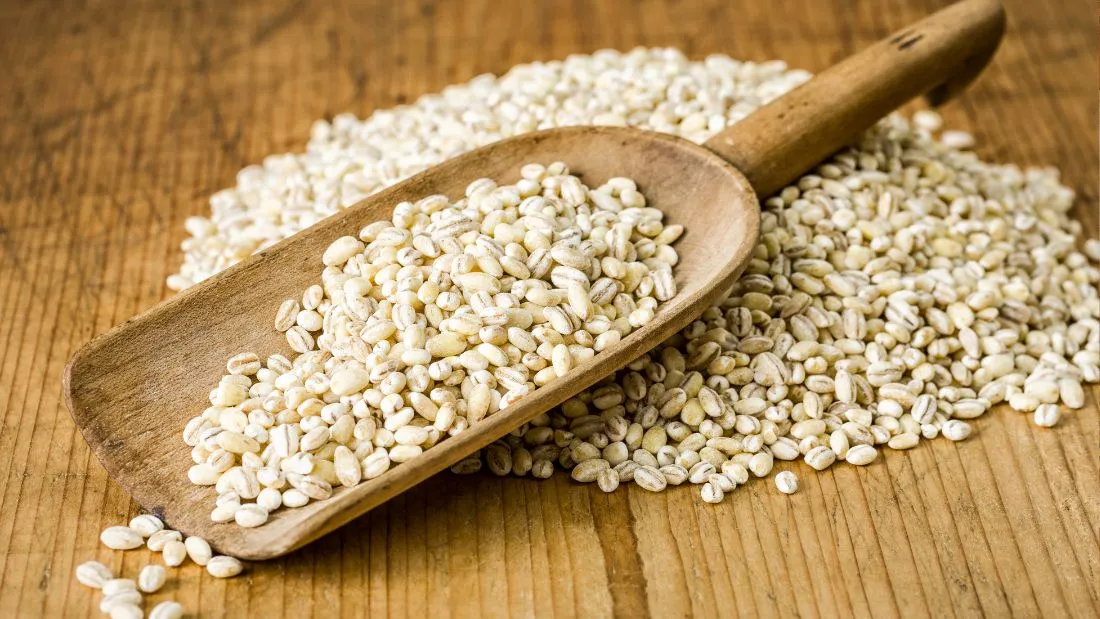
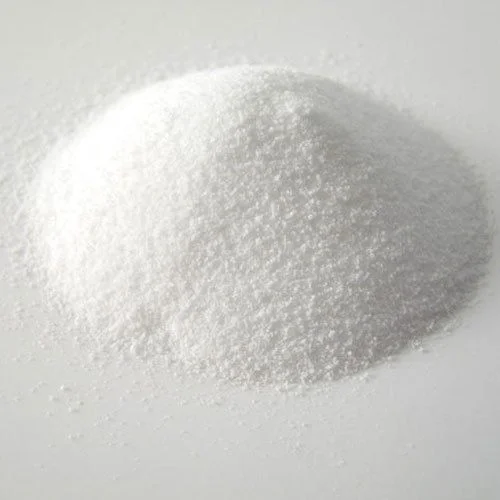
Ukraine‑based Company A.V.E. Star lists 32 active products across its agriculture portfolio. The catalogue includes refined and crude sunflower oil, walnut oil, linseed oil, various grain and legume varieties such as wheat, barley (HS 1003.90), maize, oat, yellow, split and green peas, soybean, rapeseed, pumpkin seeds and linseeds, as well as processed forms like soybean meal pellets (non‑GMO), sunflower meal, sunflower and linseed cake, and industrial salt. Each entry is grouped under top categories that the supplier reports - Agriculture, Wheat, Sunflower Oil, Peas, Salt, Sunflower Seed, Maize and Barley - reflecting a broad but defined product set. The product list also notes specific material descriptors, for example barley grain (Hordeum vulgare) together with its HS code, while other items are presented without additional customs codes.
The supplier’s catalogue further differentiates oilseed products (refined sunflower oil, crude sunflower oil, walnut oil, linseed oil) from feed‑grade items such as feed wheat, feed salt and various seed cakes. Legume offerings span whole and split yellow peas, green peas, and soybeans, while oilseed by‑products include sunflower seeds for oil extraction and confectionery use. The presence of both raw grains (wheat, barley, maize, oat) and value‑added meals or cakes indicates capability to serve both bulk commodity and feed‑ingredient markets. No additional corporate claims or financial data are provided beyond the product count and country of origin.
Product Range and Specialties of Company A.V.E. Star
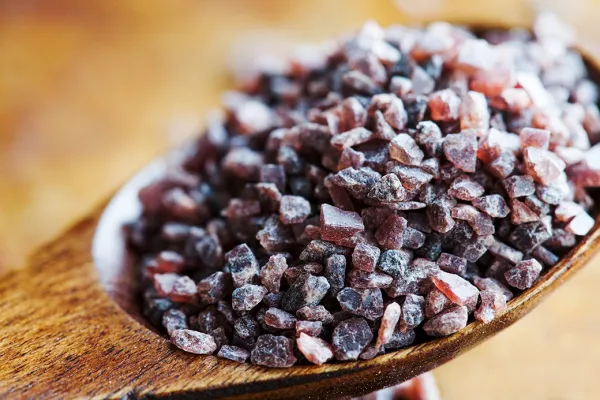
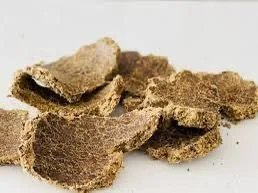
Company A.V.E. Star’s product line covers common Ukrainian exports: bulk grains (wheat, barley, maize, oat) typically meet moisture limits of 13‑14 % and are screened for foreign matter under EU grain standards. Sunflower oil products are usually classified under HS 1509 and, when refined, are expected to have free fatty acid values below 0.1 % and iodine values between 115‑130, matching EU food‑grade specifications. Soybean meal pellets (non‑GMO) generally contain 44‑48 % protein on a dry‑matter basis and are tested for GMO markers, aflatoxin and moisture below 12 %. Pea varieties are graded by size (e.g., 6‑8 mm for whole peas) and moisture under 12 %, while seed cakes such as sunflower or linseed cake are evaluated for residual oil content (typically 10‑15 % for sunflower cake). Salt for feed or industrial use is usually >99.5 % NaCl purity, packaged in 25 kg bags for bulk handling. These industry benchmarks provide a reference framework for the supplier’s listed items.
Trade and Export Information - Company A.V.E. Star
Ukraine ranks among the world’s top exporters of wheat, barley, maize and sunflower oil, with primary shipment corridors to the European Union, the Middle East, North Africa and East Asia. HS‑code families relevant to the catalogue include 1001 for wheat, 1003 for barley, 1005 for maize, 1501‑1509 for oilseeds and their oils, and 2501 for industrial salt. Importers typically request phytosanitary certificates, certificates of origin and, where applicable, food‑safety certifications such as ISO 22000 or HACCP compliance. Bulk grain is usually loaded in 20‑ft or 40‑ft containers (approximately 20‑25 tonnes per 20‑ft box), while oils are shipped in 200 L steel drums or bulk tanks; salt is packed in 25 kg polypropylene bags. Common Incoterms for Ukrainian agricultural exports are FOB Odesa or CIF Mediterranean ports, reflecting the country’s Black Sea export infrastructure.
Sourcing from Company A.V.E. Star - Buyer Guidance
Buyers should request analytical reports covering moisture, protein (for meals), free fatty acid (for oils), iodine value, foreign matter and GMO status where relevant. Verification of the HS code on the commercial invoice should match the product description - for example barley should be listed under HS 1003.90. Sample sizes of 20‑30 kg for grain or 5‑10 L for oil are standard for laboratory testing before a full order is placed. Typical minimum order quantities are 20 tonnes for bulk grains and 5 tonnes for refined oils, with lead times of 2‑4 weeks after contract signing, subject to seasonal harvest schedules and port capacity.
Frequently Asked Questions About Company A.V.E. Star
What grain products does Company A.V.E. Star offer and under which HS codes?
The supplier lists wheat, barley (HS 1003.90), maize, oat and various pea types. Each grain is presented as a bulk commodity suitable for feed or food markets.
Are the sunflower oil products refined to food‑grade specifications?
Both refined and crude sunflower oil are listed. Refined oil typically meets free fatty acid limits below 0.1 % and complies with EU food‑grade standards, while crude oil has higher acidity and is often used for industrial processing.
Does the soybean meal pellet claim non‑GMO status?
Yes, the catalogue specifies ‘Soybean Meal Pellets Non Gmo’. Buyers should request a GMO‑free certification or test report to confirm the claim.
What certifications are commonly required for Ukrainian grain exports?
Importers usually ask for a phytosanitary certificate, certificate of origin and food‑safety certifications such as ISO 22000 or HACCP. These documents verify compliance with international plant‑health and safety regulations.
What are typical packaging formats for the listed products?
Bulk grains are packed in 20‑ft or 40‑ft containers (≈20‑25 tonnes per container). Oils are shipped in 200 L steel drums or bulk tanker loads, and industrial salt is supplied in 25 kg polypropylene bags.
What is a realistic lead time for an order of barley or sunflower oil?
Lead times generally range from two to four weeks after contract confirmation, depending on harvest timing for barley and tank‑farm availability for oil shipments.
Which markets most frequently import Ukrainian barley and sunflower oil?
European Union countries, the Middle East and North Africa are the largest destinations for Ukrainian barley, while sunflower oil is exported mainly to the EU, Southeast Asia and the Mediterranean region.
What quality parameters should buyers verify for pea products?
Buyers should check size grading (6‑8 mm for whole peas), moisture content below 12 %, and limits on foreign matter and pesticide residues as defined by EU feed‑grade standards.




 , Ukraine