cdtcoltd — Supplier
About cdtcoltd - Tattoo Machine Supplier in China
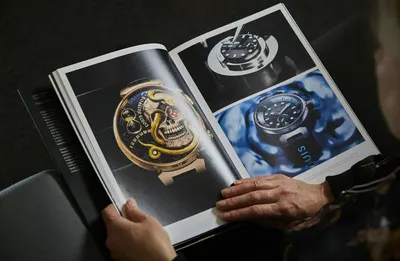
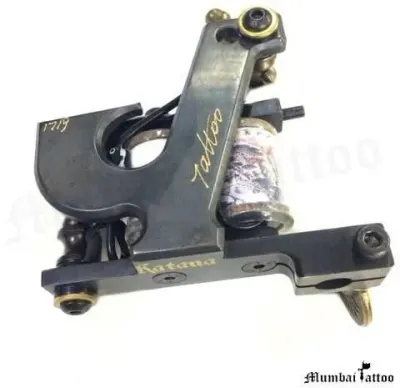
cdtcoltd operates from China and currently lists eight distinct products in its online catalogue. The listed items belong to the tattoo and body‑modification sector as well as printed media. Products include a piercing needle, piercing jewellery, a tattoo machine, metal beads, body jewellery, imitation pearl necklaces, a belly ring and a tattoo magazine. The supplier groups these under the top categories “Tattoo Machine” and “Books, Magazines, Music & Entertainment”. No HS codes are supplied, so classification would typically fall under HS chapter 90 for medical‑type needles, chapter 71 for metal jewellery, and chapter 49 for printed publications.
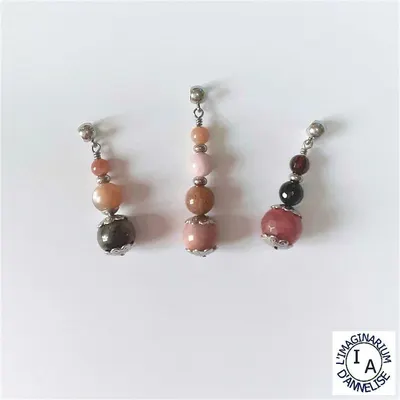
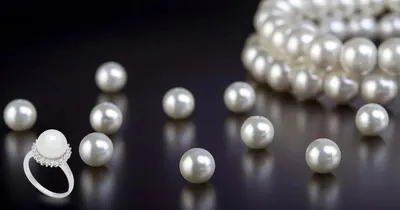
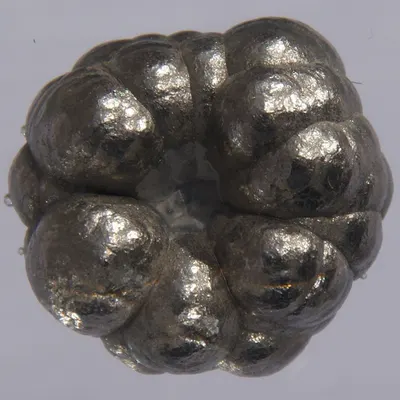
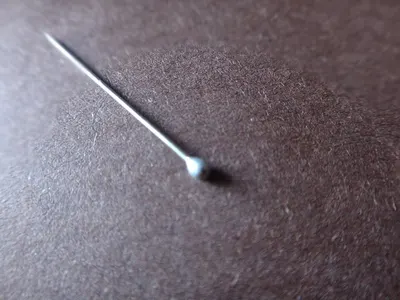
Piercing needles are generally manufactured from surgical‑grade stainless steel (AISI 304 or 316) and are supplied in lengths of 6 mm to 25 mm with diameters ranging from 0.5 mm to 1.2 mm. Piercing and body jewellery are commonly offered in stainless steel, titanium (grade 2) or niobium, with finishes such as polished, matte or anodised. Tattoo machines are usually coil or rotary units built from aluminium housings and incorporate adjustable spring tension and voltage ranges between 6 V and 12 V. Metal beads used for decorative purposes are typically supplied in sizes from 2 mm to 8 mm diameter and made of brass or zinc alloy. Imitation pearl necklaces are produced from polymer‑coated beads that mimic natural pearl luster, often graded by size and surface quality. The tattoo magazine is printed on offset paper, typically sized A4, with a page count between 80 and 120 pages.
Product Range and Specialties of cdtcoltd
The catalogue shows eight SKUs covering needle, jewellery, machine, beads, rings, necklaces and a magazine. In the piercing needle segment, buyers normally specify stainless‑steel grade 304 or 316, a needle gauge, and sterile packaging in sealed blister packs of 100 units per box. For jewellery items, industry standards often require nickel‑free titanium or surgical steel, documented by ASTM F138 or ISO 5832‑1, and are packed in polybags of 50 pieces. Tattoo machines are evaluated on coil count, motor power (0.5 A to 2 A) and voltage range; standard export units are shipped in cardboard cartons holding one unit plus accessories. Metal beads and imitation pearl necklaces are classified as decorative accessories, typically supplied in 1 kg cartons or 20 ft containers for bulk orders. The tattoo magazine is a printed publication, usually exported in pallets of 200 copies per carton, adhering to HS 4901.
Trade and Export Information - cdtcoltd
Export of tattoo‑related hardware from China is directed mainly to North America, Western Europe and Southeast Asia, where professional studios source equipment. HS classification follows chapter 90 for medical‑type devices, chapter 71 for metal accessories and chapter 49 for printed media. Buyers commonly request certificates such as CE marking for devices, ISO 9001 quality management, and material test reports confirming stainless‑steel composition and nickel‑free status. Packaging typically involves sealed blister packs for needles, anti‑corrosion coated polybags for jewellery, and sturdy cartons for machines, with freight often arranged under FOB Shanghai or CIF Los Angeles. Chinese exporters of these categories must comply with the China Compulsory Certification (CCC) for electrical tattoo machines and with General Administration of Customs inspection for metal goods. Standard incoterms used are FOB, CIF and DDP, and containers of 20 ft or 40 ft are employed depending on order volume. Documentation usually includes a commercial invoice, packing list, certificate of origin and, where required, a test report to the relevant IEC or ASTM standards.
Sourcing from cdtcoltd - Buyer Guidance
Prospective buyers should request material certificates that identify stainless‑steel grade or titanium alloy, and verify that needles are supplied sterile and individually sealed. For tattoo machines, ask for an electrical safety test report, a CE declaration and a performance sheet showing voltage range and coil specifications. Samples of jewellery and beads should be examined for surface finish, alloy composition and dimensions before confirming bulk quantities. Verify that the supplier can provide HS‑code declarations matching the product categories and that packaging meets moisture‑resistant standards for metal items. Confirm lead times, which for printed media are typically 15 days while electronic machines may require 20‑30 days, and request a production schedule. Ensure that export documentation includes a certificate of origin and, if required by the destination, a third‑party inspection report.
Frequently Asked Questions About cdtcoltd
What product categories does cdtcoltd list?
cdtcoltd lists eight items: piercing needles, piercing jewellery, a tattoo machine, metal beads, body jewellery, imitation pearl necklaces, a belly ring and a tattoo magazine. These cover tattoo equipment and printed media within the supplier’s catalogue.
Are the piercing needles supplied sterile?
The catalogue does not state sterilisation, so buyers should request a sterile packaging certificate and confirm compliance with ISO 13485 or an equivalent medical‑device standard before ordering.
Which material standards apply to the jewellery items?
Jewellery is typically expected to be made from surgical‑grade stainless steel (ASTM F138) or titanium (ISO 5832‑1). Buyers should ask for a material test report that confirms alloy composition and verifies that the items are nickel‑free.
What electrical specifications are common for the tattoo machines?
Tattoo machines are usually powered between 6 V and 12 V, with coil resistance ranging from 4 Ω to 10 Ω. A performance sheet or CE test report should be obtained to verify these parameters.
How are the metal beads and imitation pearl necklaces packaged for export?
Export packaging normally uses sealed polybags or cardboard cartons. Quantities are often expressed in kilograms per 20 ft container for beads, while necklace sets are packed in moisture‑resistant boxes to protect surface finish.
Which HS codes are typically used for these products?
Piercing needles fall under HS 9018, jewellery under HS 7117, tattoo machines under HS 8543, metal beads under HS 7117 and printed magazines under HS 4901. Buyers should confirm the exact HS code with the supplier for each item.
What documentation should a buyer request before placing an order?
Buyers should request a commercial invoice, packing list, certificate of origin, material test reports, sterilisation certificates for needles, CE or CCC certification for machines, and, where required, an independent inspection report. These documents help verify compliance with destination regulations and quality expectations.




 , China