Agriculture›
 Apparel and fashion accessories›
 Construction & real estate›💡Electronic & Electrical›🍎Food & Beverages›🛋️Home furnishing & supplies›⚗️Industrial goods & chemical›🪨Minerals & metals›📦Miscellaneous›Agriculture›Apparel and fashion accessories›Construction & real estate›💡Electronic & Electrical›🍎Food & Beverages›🛋️Home furnishing & supplies›⚗️Industrial goods & chemical›🪨Minerals & metals›📦Miscellaneous›
Cappio Tekstil Product Catalog
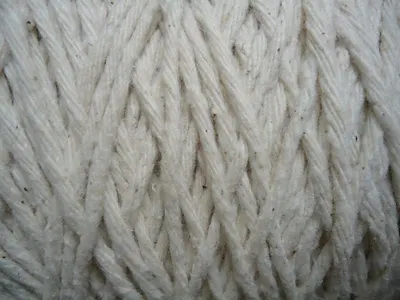
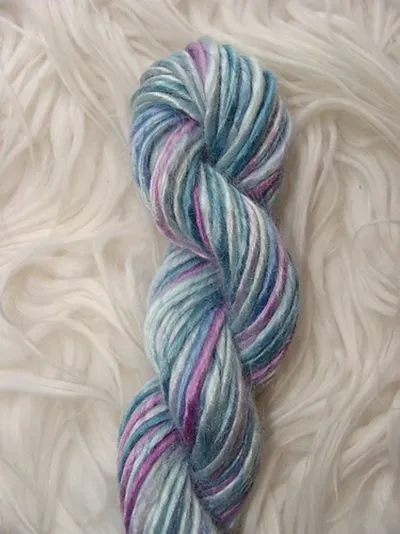
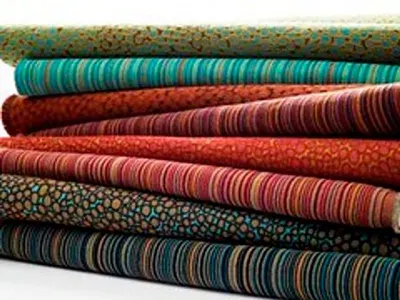
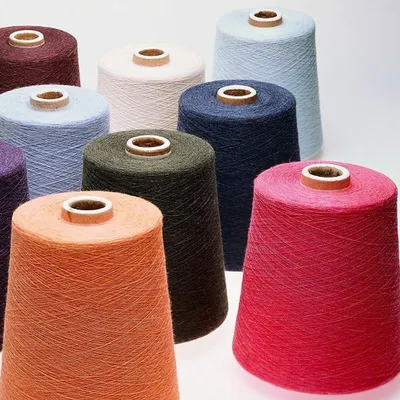
About Cappio Tekstil - Cotton Yarn Supplier in Turkey
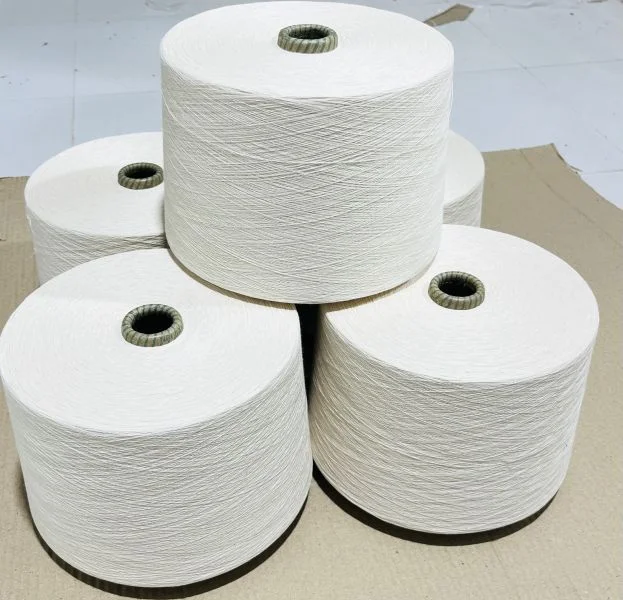
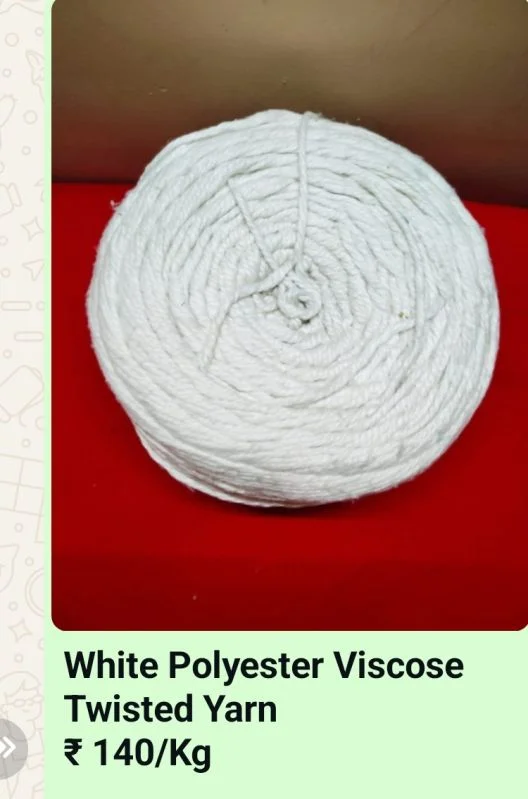
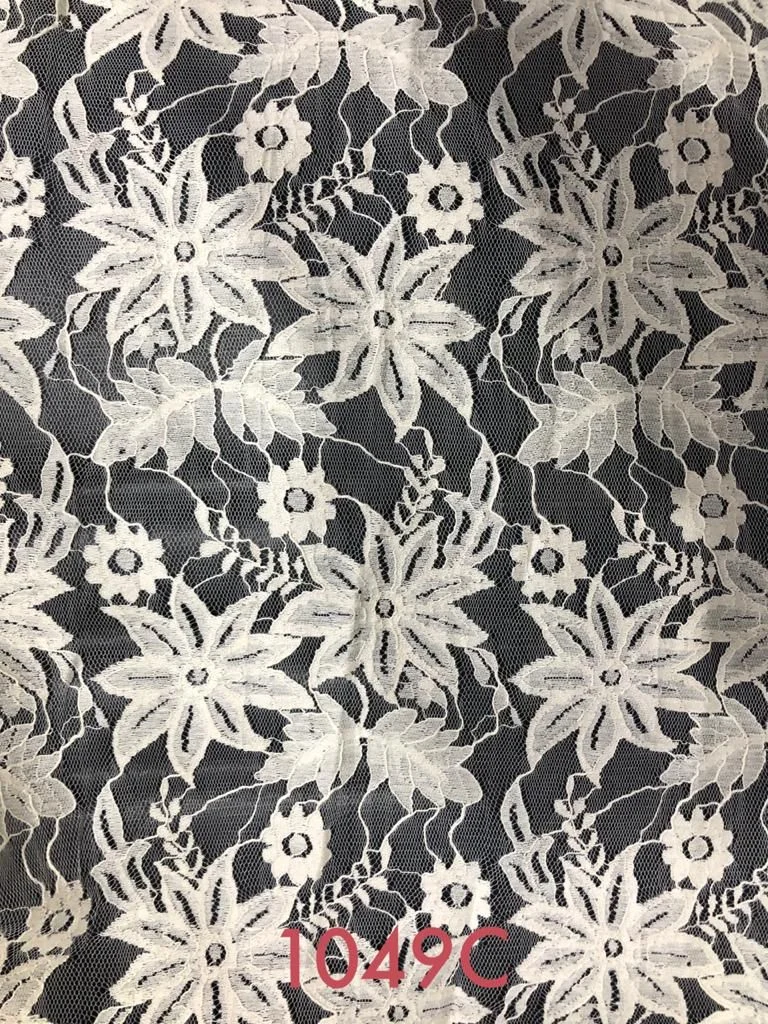
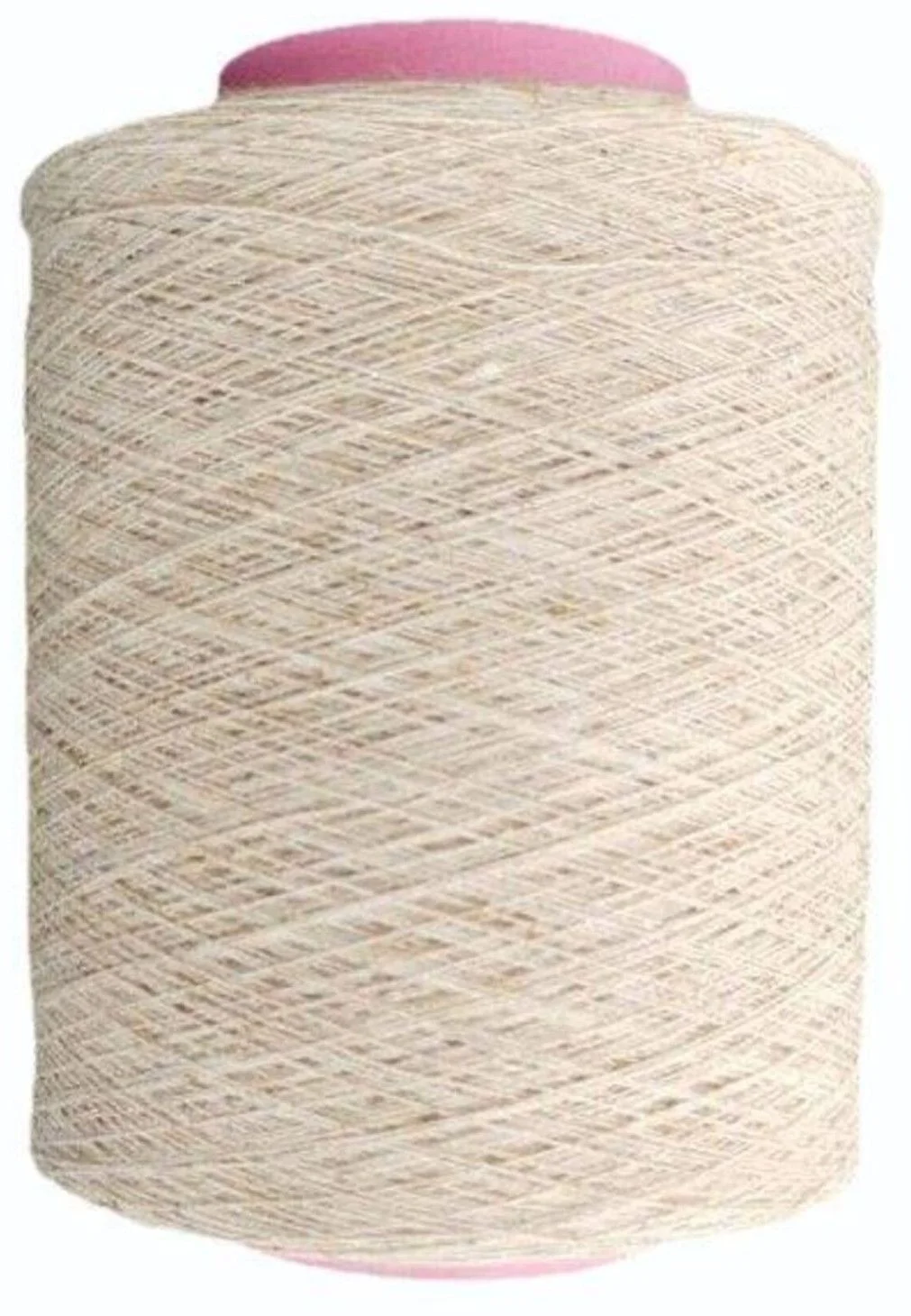
Based in Turkey, Cappio Tekstil lists six active textile products in its catalogue. The portfolio covers both fabric and yarn items, including viscose fabric, mixed fabric, Tencel yarn, Tencel fabric, viscose yarn and a blended viscose-PES-cotton yarn. These products fall under the standard HS chapter 54 for textile fabrics and chapter 55 for man-made staple fibers, which are the typical tariff headings used for such goods. Turkish textile manufacturers commonly serve apparel, home-textile and technical textile sectors. The supplier’s catalogue reflects a focus on regenerated cellulose fibers and blended yarns.
The viscose and Tencel items are regenerated cellulose fibers that can be produced in a range of linear densities, commonly from 20 denier up to 300 denier for yarns and 140-260 g/m² for fabrics. Mixed fabric entries often combine viscose with polyester or cotton to achieve specific hand and durability characteristics. The blended yarn listed as viscose-PES-cotton combines three fibers to balance moisture absorption, strength and cost. Turkish producers typically apply finishing treatments such as mercerisation or anti-pilling finishes, which are selectable per buyer request. All six items are positioned for export to markets that source high-volume textile inputs.
Product Range and Specialties of Cappio Tekstil
Cappio Tekstil’s catalogue includes viscose fabric, which is usually supplied in weights between 140 g/m² and 260 g/m² and a fiber content of 100 % regenerated cellulose. Tencel yarn, produced from lyocell fibers, is commonly available in linear densities from 30 denier to 150 denier, with tensile strength around 3.5 cN/tex. Tencel fabric follows similar weight ranges as viscose but offers higher moisture management, often marketed in 150‑240 g/m². Mixed fabric combines viscose with polyester or cotton, allowing weight adjustments from 120 g/m² to 300 g/m² depending on blend ratio. Viscose yarn mirrors the fabric specifications but is supplied in counts such as 30‑80 Ne. The blended viscose‑PES‑cotton yarn typically contains 50 % viscose, 30 % polyester and 20 % cotton, delivering a balanced elongation of 15‑20 %.
Frequently Asked Questions About Cappio Tekstil
What types of yarn does Cappio Tekstil offer?
The catalogue lists viscose yarn, Tencel (lyocell) yarn and a blended viscose-PES-cotton yarn, each supplied in standard linear densities ranging from 20 denier to 150 denier.
Which HS chapters apply to Cappio Tekstil’s products?
The products fall under HS chapter 54 for textile fabrics and chapter 55 for man-made staple fibers, which are the standard tariff codes used for customs declarations.
Are fabric samples available before placing a bulk order?
Yes, the supplier can provide swatch samples of viscose fabric, Tencel fabric and mixed fabric, typically packaged in a sealed envelope for buyer evaluation.
Which certifications should a buyer verify for these textile products?
Buyers should request Oeko-Tex Standard 100, GOTS (if organic content is required) and any ISO 9001 quality management certificates that the supplier can provide.
What are the typical packaging methods for yarn shipments?
Yarn is normally packed in jute or polypropylene bags, each bag holding 25 kg to 50 kg, and the bags are then placed on pallets for container loading.
 Turkey
Related Suppliers & Products
Explore similar suppliers, related products and trending categories